Plastics and plastic packaging are changing. Nothing has changed in 2020. Although - thanks to corona - packaging has become more important again
21 December 2020
Plastics and plastic packaging are changing. Nothing has changed in 2020. Although - thanks to corona - packaging has become more important again. The two industry associations IK and Plastics Europe have published their annual review today.
A very eventful year is over. The global coronavirus pandemic has completely changed life in 2020: Interpersonal contacts have been reduced to a minimum and daily routines as well as consumer habits have changed massively - and with them the perception of packaging. This is because stockpiling at home has led to the actual functions of packaging - product and consumer protection - once again taking centre stage: Starting with security of supply through to access to safe food. However, Plastics 2020 also means that there has been progress towards ecological packaging design, the use of recycled materials and the avoidance of unnecessary packaging.
Recycling rates increase enormously
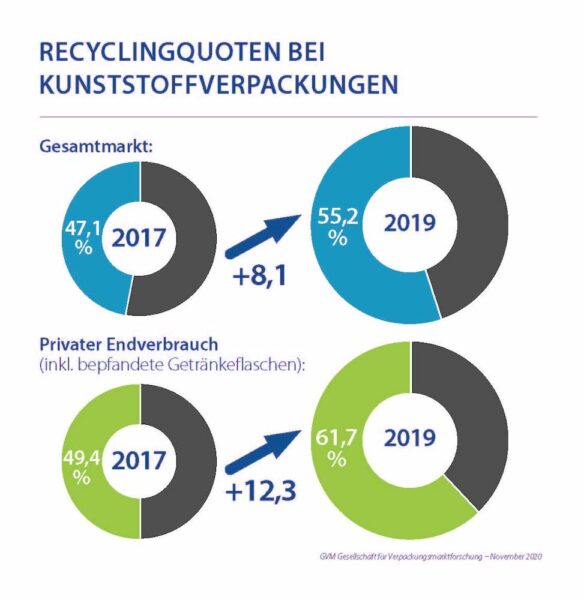
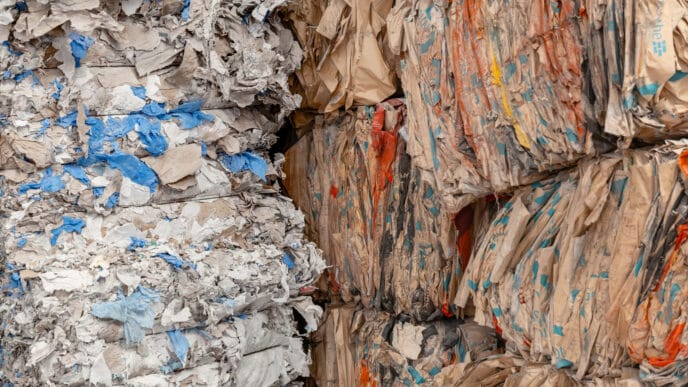
The Recycling rate of plastics has risen by a good eight percentage points compared to the previous year. In the case of private end consumers, it even rose by more than 12 percentage points. The critical success factor for this extremely positive development is undoubtedly the new packaging lawfor which the entire industry has campaigned.
Display
"We are particularly pleased about this progress. Because we know how committed the manufacturers of plastic packaging are to the circular economy of their products," praises IK Managing Director Dr Isabell Schmidt. However, other types of material such as paper and aluminium also showed an upward trend in recycling in 2019.
Prejudices in the discussion about added value
Despite this development, the Disposable-reusable discussion - In the opinion of the industry associations, 2020 will also be characterised by old prejudices: outdated data is still being used to argue for a reusable rate of 70 per cent. Thanks to a very efficient deposit system, it has also been possible in the single-use sector to optimise the recycling cycle by high-quality recycling.
Dr Isabell Schmidt (Image: Forum PET)
"Whether disposable or reusable - the decisive factor is that beverage bottles in Germany are labelled and thus close material cycles. Material requirements, energy consumption in production and recycling, the proportion of recycled material and much more play a role in the life cycle assessment. That's why a particular type of packaging should neither be demonised nor glorified across the board." IK Managing Director Dr Isabell Schmidt
Various recycling routes
Overall, it can be said that the plastics industry is thinking and investing much more in the direction of circular raw materials and new material cycles. In the process, more attention is also being paid to materials that are more difficult to recycle: Chemical recycling helps with heavily contaminated waste, for example, to get as much as possible out of plastics after the utilisation phase. Thanks to this technology, plastics from household waste, for example, can be returned to their molecular form and used as a starting material for new plastic products, even in the life cycle.