From 2021, poorly recyclable waste may no longer be exported from the European Union to developing countries. This was agreed by the 187 signatory states to the Basel Convention in Geneva on 10 May 2019. Meanwhile, the German Development Minister is in favour of a ban on plastic bags.
The "Basel Convention on the Control of Transboundary Movements of Hazardous Wastes and their Disposal" states, among other things, that plastic waste may only be freely exported if it is cleaned and well sorted and can also be recycled. In future, the export of other plastic waste worldwide will require authorisation from the authorities of the exporting and importing countries.
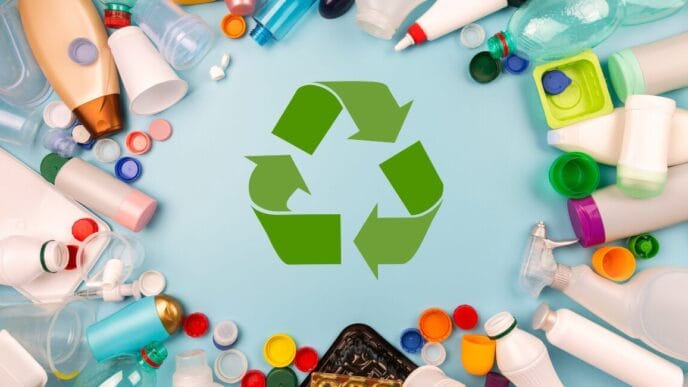
According to the new requirements of the Basel Convention only unmixed waste and as good as Impurity-free mixtures from Polypropylene, polyethylene and PETthat are demonstrably destined for recycling can be freely traded with other countries. As these plastics are in demand worldwide and have a market value, it is unlikely that they will be sent to landfill. Hazardous plastic waste and those that are difficult to recycle, on the other hand, are subject to stricter restrictions.

Dispose of poorly recyclable waste in an environmentally friendly manner
The aim of the agreement is to prevent the export of poorly recyclable waste to countries that do not have an adequate infrastructure for waste management. Environmentally friendly disposal or to the Recycling plastic waste and where there is a high risk that they will end up in landfill sites and later in the environment.
"The stricter export rules of the Basel Convention are a major step forward and an effective measure against increasing marine litter. It is now possible to stop the export of polluted and questionable plastic waste from the EU to Asia and Africa."
Svenja SchulzeFederal Minister for the Environment
Agreements on waste electrical equipment and pilot projects
The new regulation will apply from 1 January 2021; it must now be translated into a legally binding OECD decision and subsequently into the European Regulation on the Shipment of waste be taken over.
In addition, the conference has adopted regulations to prevent the illegal Disposal of old electrical appliances to Africa, for example. Global partnerships were also agreed for Pilot projectsto improve collection and recycling in African and Asian countries.
German Development Minister in favour of a short-term ban on plastic bags
Also Federal Minister for Economic Cooperation and Development Dr Gerd Müller (CSU) recently commented to global Waste problem. At the launch event for the "Prevent Waste Alliance" in Berlin on 9 May 2019, he spoke out in favour of a Immediate ban on plastic bags from. "I have a clear position on plastic bags. I don't know why we don't have more courage in Germany. Why we are waiting for Europe to ban plastic straws. Let's ban plastic bags in Germany today or tomorrow," said the minister. "If we carry on like this, we'll sink into rubbish. Two billion tonnes of waste are produced globally every year. By 2050, it could be 70 per cent more," he said, emphasising the urgency of tackling the problem. Mountains of rubbish master.
[infotext icon]Detailed information on the „Basel Convention on the Control of Transboundary Movements of Hazardous Wastes and their Disposal“ can be found at this website.[/infotext]