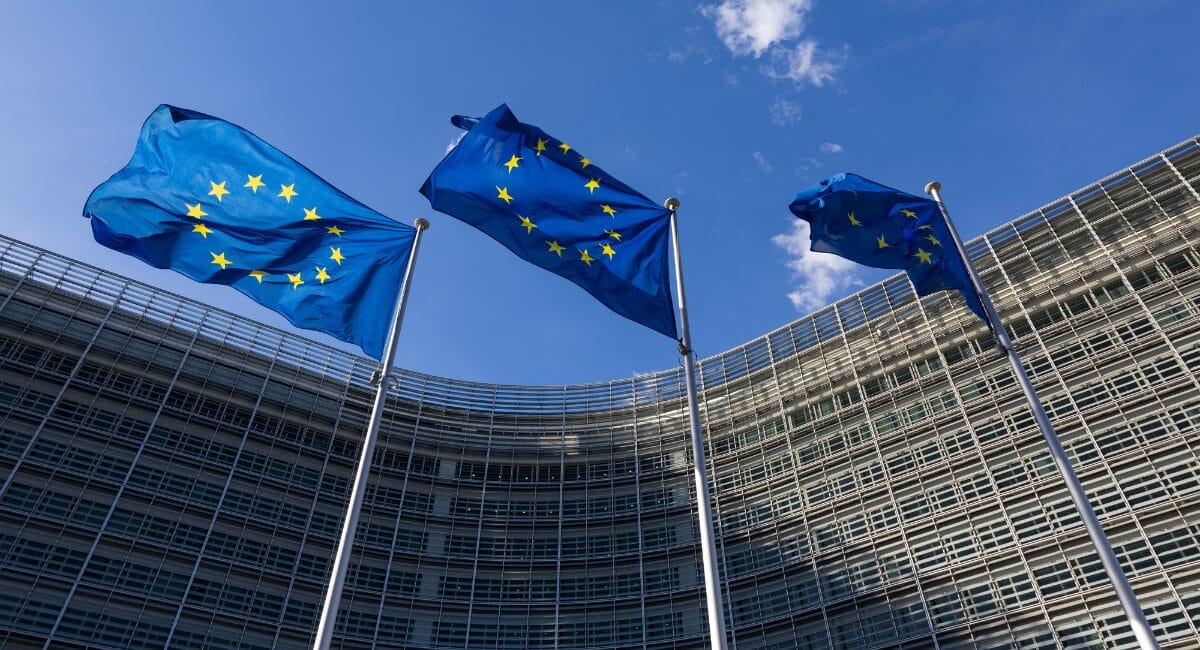
The industry association BDE has criticised the EU Circular Economy Winter Package, which aims to accelerate the transition to a circular economy, and is calling for a „Made in Europe“ regulation for recycled plastics.
The European Commission's „Circular Economy Winter Package“ aims to accelerate the transition to a functioning circular economy, with a particular focus on plastics. The BDE Federal Association of the German Waste, Water and Circular Economy welcomes the political will to further advance the circular economy in Europe. At the same time, the association recognises that the package does not alleviate the acute economic situation of plastics recyclers.
According to the BDE, the Commission correctly identifies the industry's structural problems. Fragmented markets, high energy prices and a massive drop in the price of primary plastics have been putting European recyclers under pressure for months. Nevertheless, the winter package stops short of analysing the situation. Concrete instruments that create demand in the short term and stabilise European recycling capacities are lacking.

„The situation for plastics recyclers is serious. Many companies are fighting for economic survival. If European recycling targets can continue to be met without clear origin specifications, there is a risk of value creation being shifted abroad. This will weaken the circular economy in Europe at precisely the time when we urgently need to strengthen it.“
Anja Siegesmund, Managing President of the BDE
According to the BDE, the steps announced by the Commission are a step in the right direction, but do not represent immediate help. These include new customs codes for recycled plastics, starting with PET, the further development of end-of-waste criteria for recyclates and stricter controls on imports of plastics for food contact. The planned relaunch of the Circular Plastics Alliance to promote dialogue between industry, EU member states and the EU Commission as well as pilot projects for transregional circular economy hubs cannot provide an immediate remedy either. These measures may contribute to greater transparency and better framework conditions in the medium term, but will not have an immediate relieving effect.
Clear signal to the market
From the BDE's point of view, one central problem remains unresolved. Binding European guidelines on the procurement of recyclates are still lacking. Without a clear preference for recycling materials produced in Europe, there is a risk that statutory recyclate quotas will increasingly be met through imports. As a result, European plants will lose market share and investments will be postponed or cancelled altogether.
„A ‚Made in Europe‘ regulation for recycled plastics would have been a clear signal to the market,“ emphasises Anja Siegesmund. „It would have immediately created demand, increased planning security and secured investments in modern recycling plants. Unfortunately, the Commission missed this opportunity in the winter package.“
The BDE is calling on the European Commission, the European Parliament and the Member States to close the existing loopholes swiftly. The announced Circular Economy Act must contain binding sourcing requirements and ensure a level playing field for European recyclers. Only if recycling remains economically viable in Europe can the circular economy fulfil its role in climate protection, resource security and industrial value creation.
Source: BDE