Plastic, bio-based, home compostable - or paper after all? There are more and more alternatives to conventional plastic. But what do consumers prefer? Do they trust the information on plastic-free packaging or are they sceptical? And what about environmental awareness? Hochschule Geisenheim University investigated these questions.
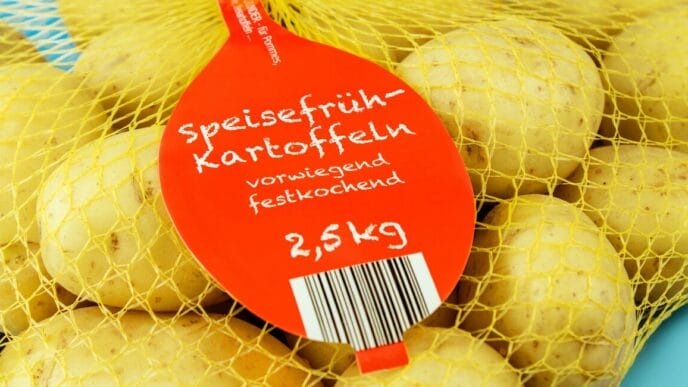
In Germany, around 60 per cent of fresh fruit and vegetables are packaged in plastic, which leads to an enormous amount of plastic waste (NABU, 2020), according to reports from the Rheingau. Against this backdrop, interest in plastic-free packaging alternatives is growing - not only due to public pressure, but also due to changing consumer preferences. Previous research has shown that consumer preferences are not only influenced by material properties such as appearance and environmental friendliness, but also by psychological factors such as environmental awareness and „green scepticism“. However, comprehensive studies analysing a wide range of plastic alternatives - including new materials - were lacking. In addition, „green scepticism“ has so far mainly been researched in the context of advertising and sustainability communication by companies, but hardly in the area of „green packaging“, the report continues.
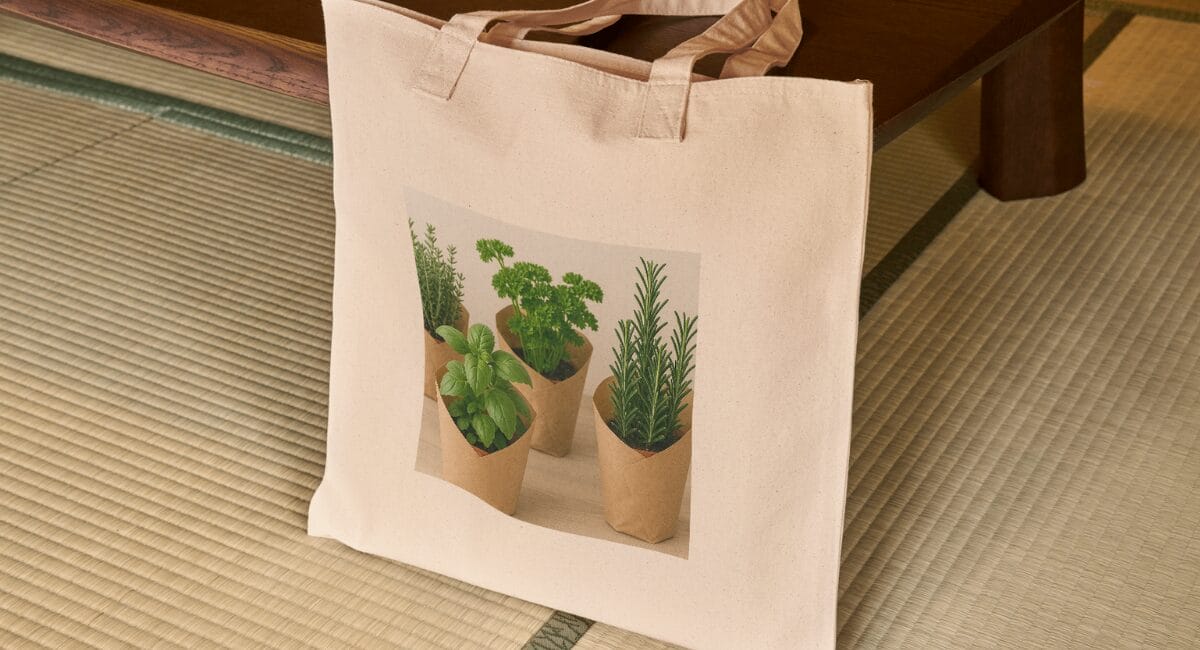
Hochschule Geisenheim University therefore investigated the question of what general preferences consumers have for different packaging materials, using the example of potted herbs. Potted herbs are typically sold in plastic film and plastic pots. There are now also variants with paper funnels or a mixture of plastic and paper. The study also included new packaging that is not yet ready for the market for potted herbs. It also investigated which different consumer groups emerge based on their choice behaviour and what role green scepticism, environmental awareness and socio-demographic factors play in shaping these preferences.

Environmental awareness and green scepticism in purchasing behaviour
Environmental awareness and „green scepticism“ played a key role in the decision to buy environmentally friendly products. Environmental awareness means that people are aware of environmental problems and are prepared to act accordingly, for example by buying sustainable packaging, according to Hochschule Geisenheim University. However, this relationship is complex: people with a high level of environmental awareness tend to react positively to ecologically favourable packaging, while those with a lower level of awareness tend to reject such offers. On the other hand, „green scepticism“, i.e. doubts about the effectiveness and authenticity of environmentally friendly products, can prevent people from accepting sustainable packaging, even if they are environmentally conscious. Interestingly, a strong environmental awareness can nevertheless mitigate the negative effects of scepticism by strengthening confidence in sustainable solutions.
Online experiment on the packaging of potted herbs
For the study, 250 consumers from Germany were surveyed online. Care was taken to ensure that the respondents represented a cross-section of the German population in terms of gender, age and region. To record consumer preferences for different packaging materials, the respondents were presented with fictitious product scenarios in which they could choose between products with different characteristics, such as price, packaging material or production method. By analysing these choices, researchers can find out which features are most important to consumers and which combinations of features are most preferred. This method mimics real-life purchasing decisions by forcing participants to make trade-offs between different product features, similar to what they would do when actually shopping.
In the experiment, four key characteristics were selected that could influence the purchasing decisions of German consumers when buying fresh potted herbs: the material of the film packaging, the material of the pot, the price and the organic production. Four types of film packaging material were analysed: Plastic, paper, corn starch-based film and cellulose film. There were also four options for the pot material: Plastic, bio-based plastic, home compostable material and the potless option, where the root ball was wrapped in a foil funnel. Prices ranged from low to higher priced options (€1.49 to €2.99), while two organic options were available: the EU/German organic label and no organic labelling.
„As little plastic as possible - instead paper and home-compostable materials“
The results of the experiment showed that the price and material of the pot played the most important role in consumers' purchasing decisions. Both characteristics were rated almost equally highly and each accounted for around a third of the decision. The material of the film packaging and the organic production method proved to be slightly less decisive, with the latter being the least important.
Consumers favoured the following more favourable and organic products. Paper and corn starch-based films were particularly favoured over plastic for packaging. In terms of pot material, the home compostable option was the most popular, followed by the option of wrapping only the root ball in film, while plastic was the least popular. These preferences reflect the increasing environmental awareness of consumers.
However, these preferences are not homogeneous. The study identified three different consumer groups, which also differed in terms of their level of environmental awareness and green scepticism: the environmentally aware, the price-conscious and the green sceptics.
- Environmentally conscious consumers: This group, which made up just under 62 per cent of respondents, placed the highest value on sustainability and were willing to pay more for environmentally friendly packaging. They favoured biodegradable and „no-pot“ solutions, which make it possible to do without a pot, and valued organically produced products.
- Price-conscious consumers: In contrast, price-conscious consumers, who accounted for just under 25 per cent, focused mainly on cost. For them, the favourable price and practicality were the most important factors. This group was less willing to pay a premium for sustainable alternatives, which can be attributed to their green scepticism and low environmental awareness.
- Green and sceptical consumers: This group of around 13% showed a complex behaviour, with both environmental concerns and scepticism about environmentally friendly claims playing a role. They chose packaging that they considered to be cost-effective and favoured materials such as paper and „no-pot“.
What does this mean in practice?
In the online experiment, respondents stated their purchasing intentions. However, it is known that these are not always reflected in real-life purchasing behaviour, as routines and other everyday practical conditions also play a major role, according to Hochschule Geisenheim University. Nevertheless, the study shows that, generally speaking, consumers have a clear preference for plastic-free packaging materials such as paper and home-compostable materials instead of traditional plastic. The findings therefore suggest that, that it is worth investing in the development and marketing of sustainable packaging solutions, that correspond to consumer preferences. It is important to tailor communication to the specific values and needs of the various consumer segments. It is also crucial to create trust in sustainable products in order to overcome „green scepticism“. The findings highlighted the need to increase the availability of plastic-free packaging and at the same time make communication transparent and credible in order to promote the transition to more sustainable packaging solutions.
The research project is funded by the Federal Ministry of Food and Agriculture (BMEL).
Source: Hochschule Geisenheim University, contact persons: Dr Anne-Katrin Kleih and Prof Dr Kai Sparke