The proportion of single-use and reusable beverage packaging for non-alcoholic beverages in household consumption will remain stable in 2018. The German Non-Alcoholic Beverages Association (wafg) is taking this publication as an opportunity to clarify key facts with regard to the beverage packaging used in the industry.
Reusable share compared to disposable share
According to GfK Consumer Panel FMCG data, the reusable share of non-alcoholic beverages in household consumption in Germany is currently gaining slightly again (2018: 23.1 per cent, 2017: 23.0 per cent). This is reflected in the slightly declining proportion of disposables (2018: 76.9 per cent, 2017: 77.0 per cent).
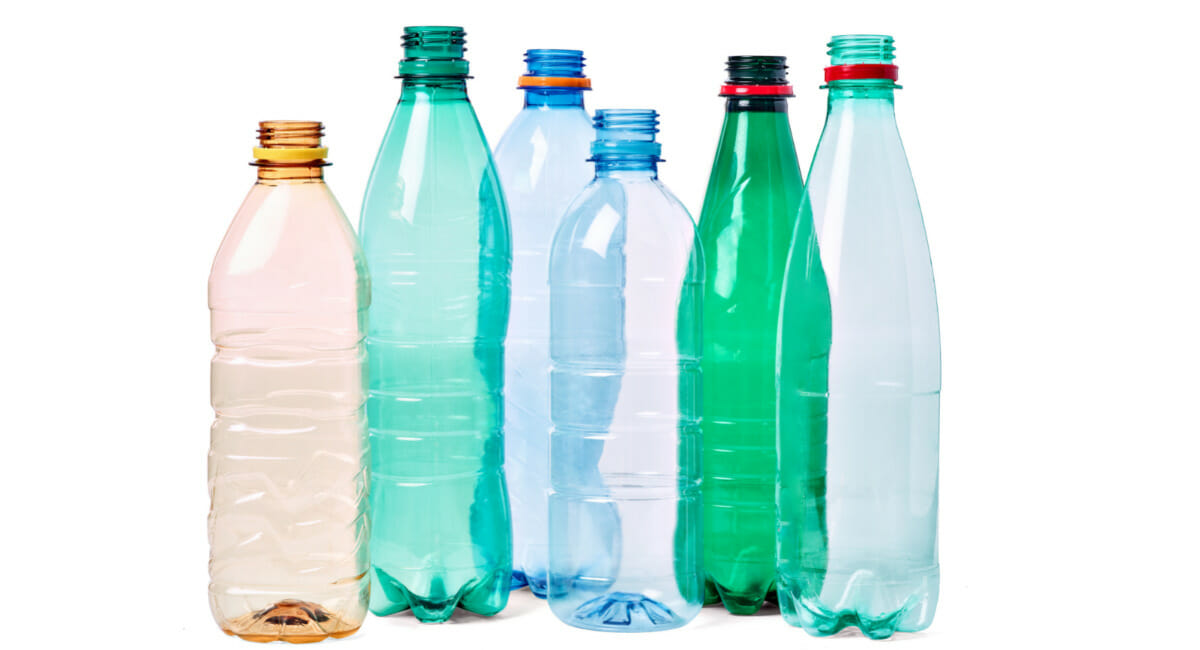
According to GfK data, returnable glass bottles are currently gaining ground (2018: 10.5 per cent, 2017: 10.4 per cent), while returnable PET bottles are declining slightly (2018: 12.6 per cent, 2017: 12.7 per cent). PET is clearly the leading material type for disposable bottles at 71.6 per cent (2017: 71.5 per cent).

Cartons and stand-up packs/bags declined slightly (2018: 4.2 per cent, 2017: 4.5 per cent). The can (2018: 1.0 per cent, 2017: 0.9 per cent), on the other hand, made slight gains. The 1.5-litre non-returnable PET bottle remains the most frequently purchased container for AfG in household consumption at 48.2% (2017: 48.6%).
Focus on the facts
As inaccurate statements are repeatedly made in the political and social debate about (drinks) packaging and the facts are sometimes lost sight of, a few facts need to be clarified:
The industry is a pioneer in beverage packaging for a Functioning circular economy - with closed loops for both returnable and non-returnable beverage containers with a deposit.
- Used (disposable) drinks packaging has long been No more „waste“. Rather, these are important and sought-after raw materials for material recycling - the use of recyclates is increasing continuously and significantly at many companies. It is of interest to further increase the efficiency of these closed material cycles.
- In Germany, there have been Functioning deposit and collection systems with very high return rates. Beverage packaging sold in Germany therefore does not play a relevant role in marine litter.
- Comprehensive life cycle assessments make it clear that the (Ecological) assessment of beverage packaging depends on various factors (such as circulation figures, weight, use of recyclate, transport and consumer return behaviour).
- Proposals for climate protection therefore also require a factual basis instead of simple and simplifying statements on the CO2 balance of beverage packaging.
Distribution channels for household consumption
GfK also collects data on the distribution channels for household consumption, which show the following picture for 2018: Discounters remain the largest sales channel, even if they are losing ground slightly (2018: 49.4 per cent, 2017: 49.8 per cent).
In contrast, full-range food retailers are expanding their position (2018: 27.7 per cent, 2017: 27.3 per cent). Hypermarkets recorded a slight decline (2018: 14.7 per cent, 2017: 14.9 per cent). Specialist drinks stores made slight gains (2018: 6.0 per cent, 2017: 5.8 per cent).
Source: Wirtschaftsvereinigung Alkoholfreie Getränke e.V. (wafg)