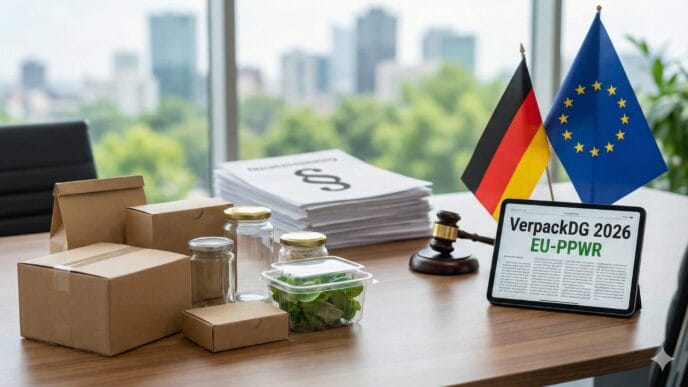

In Berlin, the board of the Federal Vegetable Growers' Group (BfG) of the German Horticultural Association (ZVG) warned of the consequences of an impending ban on plastic packaging from 2030. The background to this is the planned requirements of the European packaging regulation PPWR. According to vegetable growers, a lack of exemptions could lead to reduced shelf life, loss of freshness and increased food waste.
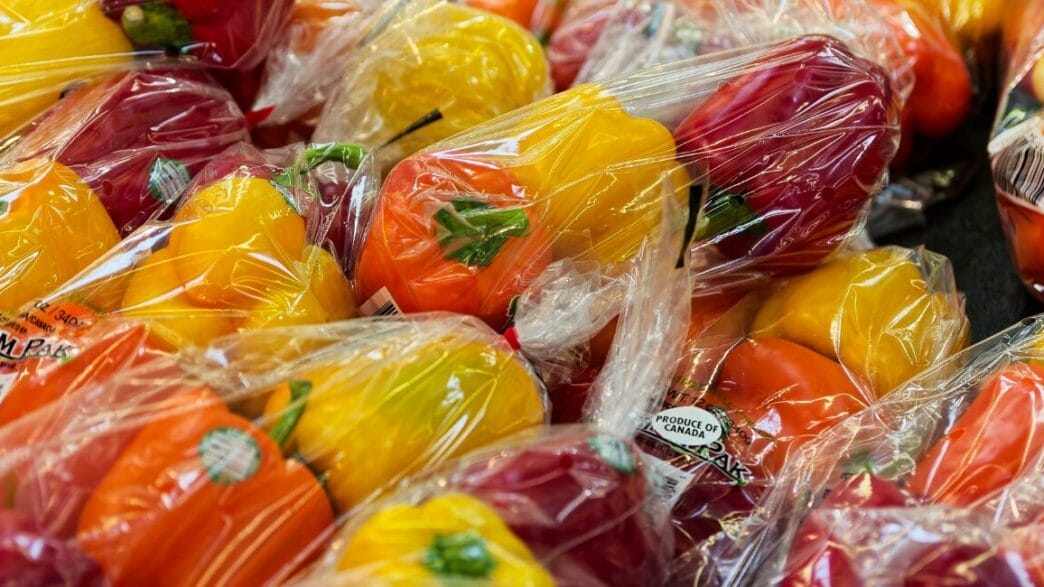
From the industry's point of view, no one is fundamentally questioning the need to reduce packaging waste. At the same time, the BfG points out that protective films for fresh vegetables only account for a comparatively small proportion of the total packaging volume and fulfil important functions.
Protective function of mono plastic films
„But the protective films for fresh vegetables only make up a fraction of the packaging waste and have useful functions,“ emphasised Prof Claus Bull from the Berlin University of Applied Sciences. „Protection against damage, preservation of freshness and longer shelf life as well as a source of information are just a few examples. A mono plastic film is absolutely essential for many products in vegetable production in order to maintain freshness and fulfil the requirements of the entire supply chain,“ Bull explains based on his research.

According to the BfG, sensitive vegetable crops in particular are dependent on functional plastic solutions in order to avoid quality losses along the value chain. A general ban without differentiated consideration of individual product groups therefore harbours the risk of increasing losses.
Demand for exemptions
The Federal Expert Group announced that it would continue to pursue the issue together with the umbrella organisations and the Federal Committee for Fruit and Vegetables (BOG). The aim is to achieve the necessary exemptions for affected vegetable crops within the framework of the PPWR.
Source: Central Horticultural Association