What role do bioplastics play in food packaging today and in the future? This question is to be answered by a study for which the Federal Ministry of Food and Agriculture (BMEL) launched a call for tenders in February 2016 via its project management organisation Fachagentur Nachwachsende Rohstoffe e. V. (FNR). The Institute for Energy and Environmental Research Heidelberg (ifeu) was commissioned to carry out the study.
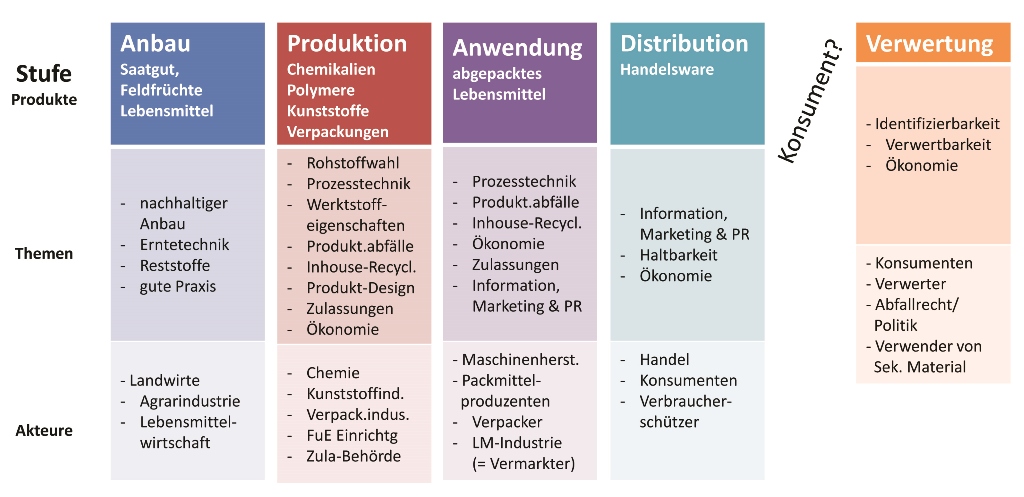
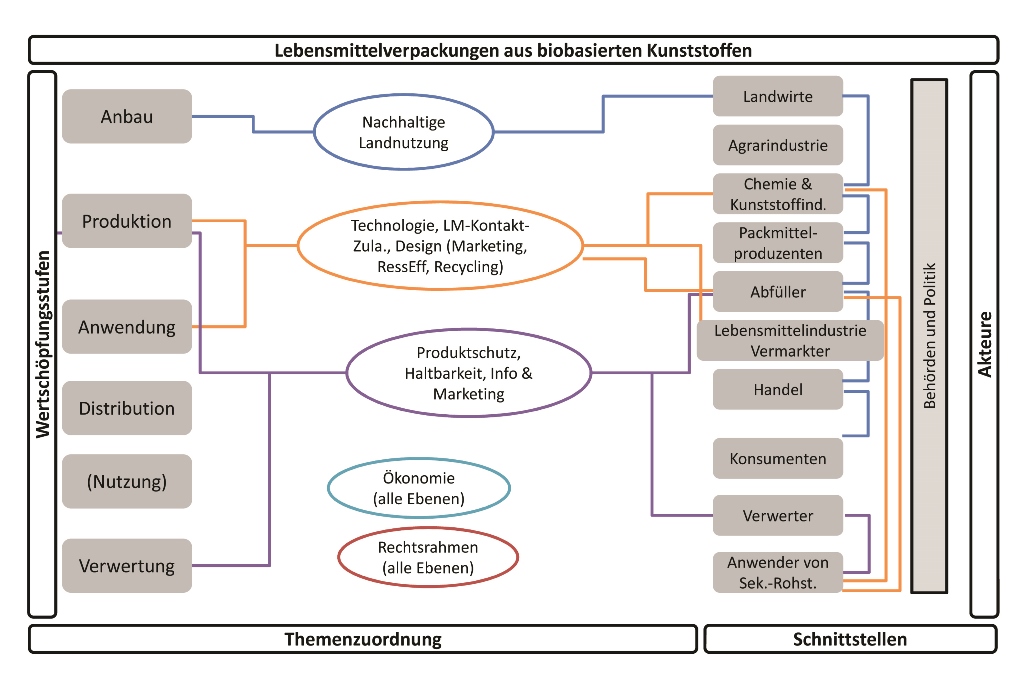
The aim of the study is to analyse the current market shares and the qualitative standards of bioplastics and to identify the General conditions for their use, taking into account a high level of health and consumer protection. Finally, an outlook will be given on how the Market development in the coming years.
The future of food packaging
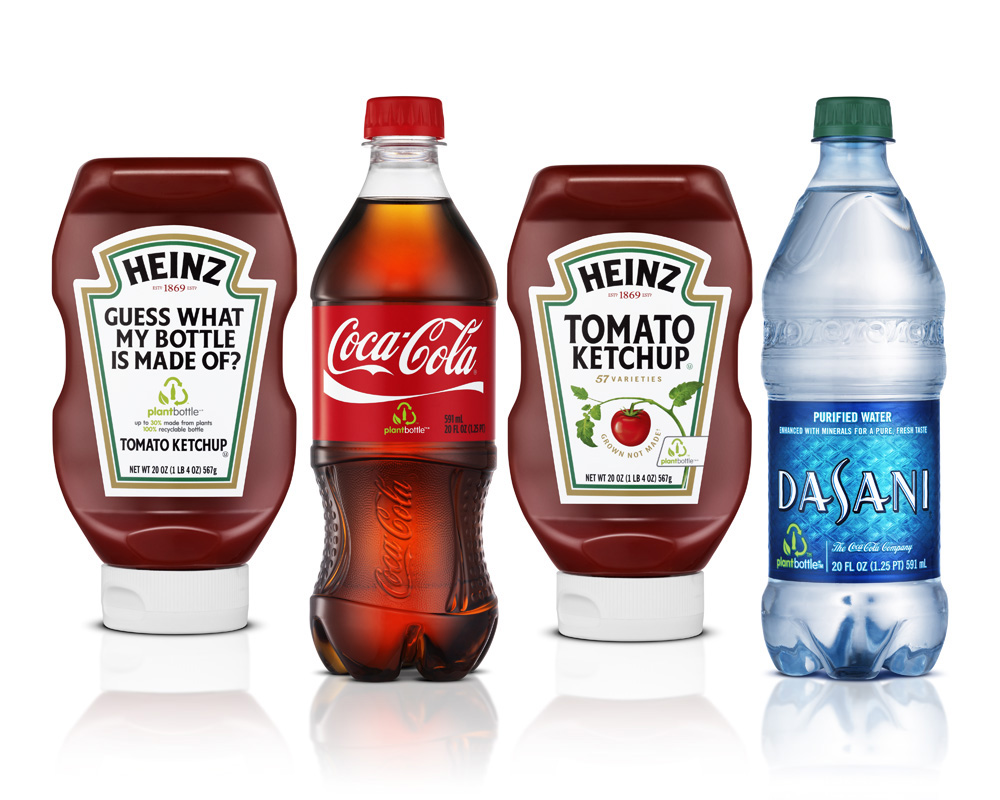
Are bio-based plastics suitable for food packaging? Researchers from Heidelberg are investigating this question on behalf of the Federal Ministry of Food and Agriculture. Federal Minister of Agriculture Christian Schmidt has commissioned the Institute for Energy and Environmental Research Heidelberg (ifeu) with a study on the Suitability bio-based plastics for food packaging. "Fossil-based plastics have many advantages as a packaging material. They are light, easy to mould and can be used universally. However, crude oil is a finite resource - and packaged food is often in direct contact with the plastics. This raises the question of the circumstances under which undesirable material effects can occur and which plastics or plastic coatings have the best material properties. The aim of the study I commissioned is to examine whether we can package food even better by making greater use of bio-based materials," explains Federal Minister Christian Schmidt.

The researchers are to technical and Health-relevant material properties of bio-based plastics, questions about the Market situation and to the Market potential and possible Recommendations for action to show.
[infotext icon]Within the framework of its Bioeconomy strategy a gradual transition to a sustainable bio-based economy. With this study, the BMEL is expecting a forecast on the use and raw material potential for bio-based food packaging in Germany up to the year 2030. Results of the study become Beginning of 2018 expected[/infotext].Opportunity for bio-based plastics
Bio-based plastics often have physical and chemical properties (e.g. air, vapour and oxygen permeability, modulus) that make them particularly suitable for food packaging. Nevertheless, on the German market they are still little present in terms of volume. The Institute for Energy and Environmental Research (ifeu) in Heidelberg is conducting the study in cooperation with the Fraunhofer Institute for Process Engineering and Packaging (IVV) in Freising and narocon Innnovationsberatung in Berlin. Technical and administrative support is provided by the Agency for Renewable Resources (FNR).

The aim of the project is therefore to determine the Need for action on the increased use of bio-based plastic packaging with food contact. The current German market situation and market potential as well as existing obstacles are to be determined. In particular, the study will analyse the Legal situation in the use of bio-based plastics and possible Health-related aspects and the Environmental impact The entire life cycle of biobased plastic packaging, including disposal, is highlighted.
[infotext icon]As professional service providers, the project partners have been dealing with tasks along the entire value chain for many years. Complex interrelationships are to be expected. The Market players should be involved both in analysing the problem and in developing proposed solutions. closely integrated will be[/infotext].The aim is to make recommendations for action
Based on the current situation and the obstacles identified, specific recommendations for action are to be developed that are suitable for increasing the acceptance and use of bioplastics as food packaging. Problems and deficits are to be analysed for a Increased market access bio-based plastic packaging for food at all stages of the value chain (cultivation, processing, use, disposal). With a view to effective health and consumer protection on the one hand and further ecological optimisation on the other, the aim is to explore the possibilities of better Interlocking the value creation stages are shown. This is also entirely in the spirit of Strengthening the circular economy.
(Pictures: European Bioplastics)