Tomra expects the extended deposit obligation for single-use beverage packaging to give a significant boost to the circular economy in the new year. Other European countries have also already decided to introduce a deposit on plastic packaging.
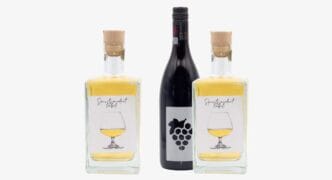
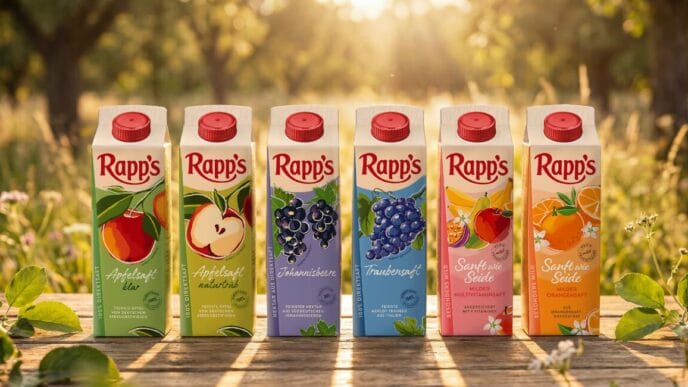
Since 1 January 2022, the extended deposit obligation has also applied to mixed drinks containing alcohol and fruit and vegetable juices in disposable plastic drinks packaging and cans. This should make returns more transparent for consumersbecause these drinks were previously exempt from the deposit requirement introduced in 2003 due to a special regulation. With the Milk- and Mixed milk drinksn The mandatory deposit for disposable drinks packaging will not apply until 2024.
With the extended deposit obligation an estimated 85,000 tonnes more plastic and aluminium were collected. According to Tomra the total amount of packaging dispensed from the vending machines to around 500,000 tonnes.

According to information from Deutsche Pfandsystem GmbH (DPG) at 98 per cent. This has not only resulted in significantly less waste on roads and in forests, but has also made it possible to enter the circular economy: Over 40 per cent of the disposable bottles collected by the vending machines are now made from recycled material. The recycled plastic can go through the production process many times and replace crude oil.
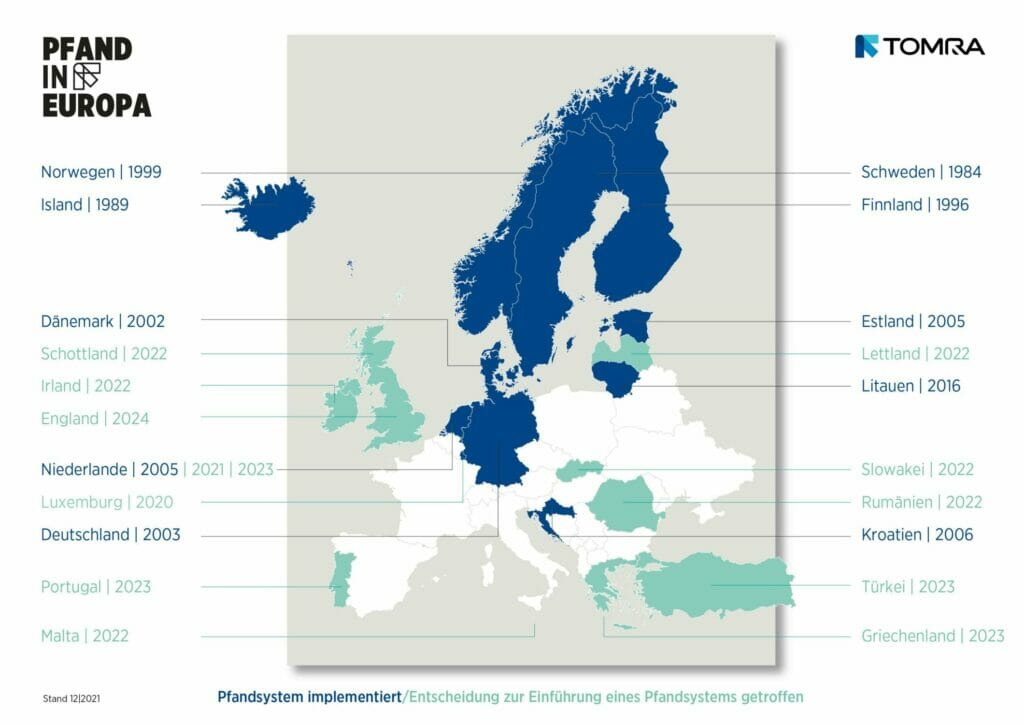
In the Single-Use Packaging Directive (SUP), the EU requires only 25 per cent by 2025 as a starting point; the target is closing material cycles as completely as possible. Latvia, Slovakia, Romania, Turkey, Greece, Malta, Portugal, Ireland and Scotland have now also decided to introduce a deposit on plastic packaging next year or the year after.
"The introduction of the deposit in Germany is a success story and is now a role model worldwide. With the extended deposit obligation, new types of material are now also entering the system, which we will sort just as well in the subsequent recycling process and return to the cycle as the PET from mineral water bottles." Volker RehrmannTomra Board Member for Recycling/Mining & Circular Economy based in Mülheim-Kärlich
Source: Tomra