Bottle-to-bottle recycling turns old bottles into new ones: A new process from Coperion enables economical and FDA-compliant recycling of PET flakes, which can now be processed into pellets without pre-drying.
Polyethylene terephthalate (PET) flakes can now be extruded with Coperion ZSK twin-screw extruders. processed into granulate without pre-drying, The bottles are then condensed in the SSP (solid state polycondensation) reactor and reprocessed into bottles of the same quality as virgin material.
The PET recyclate produced using this innovative process has been approved by the US Food and Drug Administration (FDA) the Authorisation for direct food contact are obtained. Coperion systems for this bottle-to-bottle recycling process achieve throughput rates of 2 to 8 tonnes per hour thanks to efficient plasticising in the ZSK extruder.

Recycling companies benefit from the high product quality, from Savings in operating costs and logistics expenses and up to 30 per cent lower energy consumption compared to conventional PET recycling methods.
Fewer steps to bottle-to-bottle recycling
PET is playing an increasingly important role in the recycling of the large material flow of packaging in particular. PET is a very high-quality material that has very good properties for recycling. In addition, it is becoming increasingly widespread in the form of disposable and reusable bottles and can be recovered by type through the deposit system. Accordingly It can be lucrative for companies, to focus on the recycling of PET.
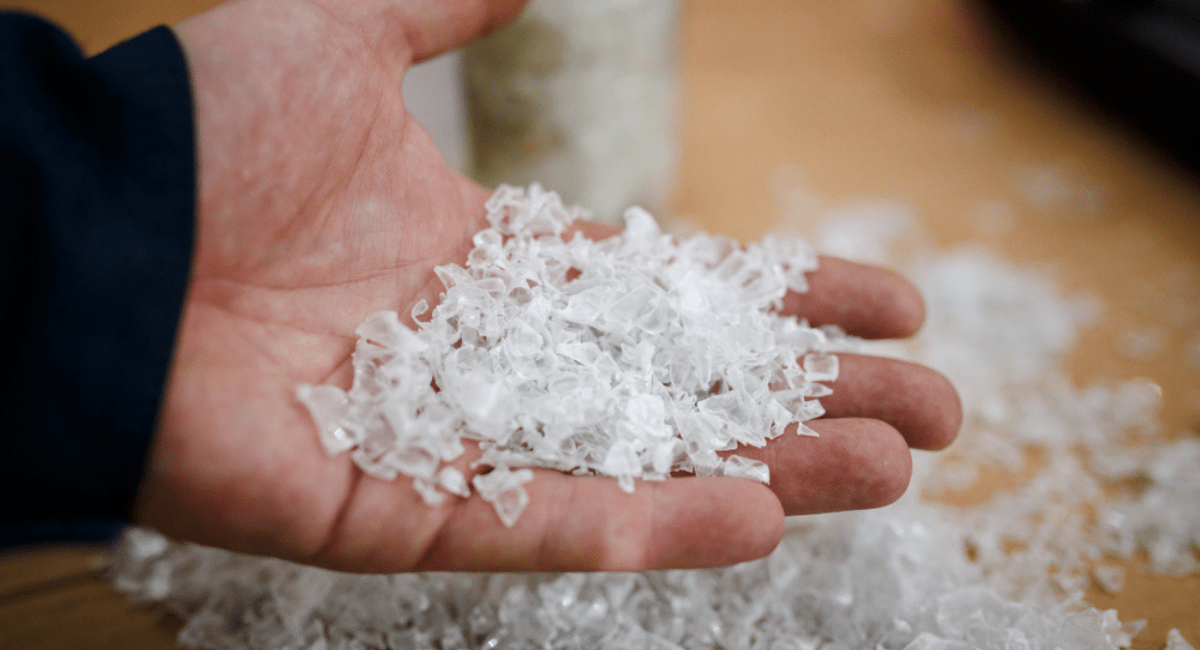
Before PET can be recycled, it must first be shredded into flakes and cleaned. Conventional technologies then require the PET flakes to be pre-dried, crystallised or agglomerated. With a special technology from Coperion the shredded PET can be ZSK twin-screw extruder but fed directly and compounded there.
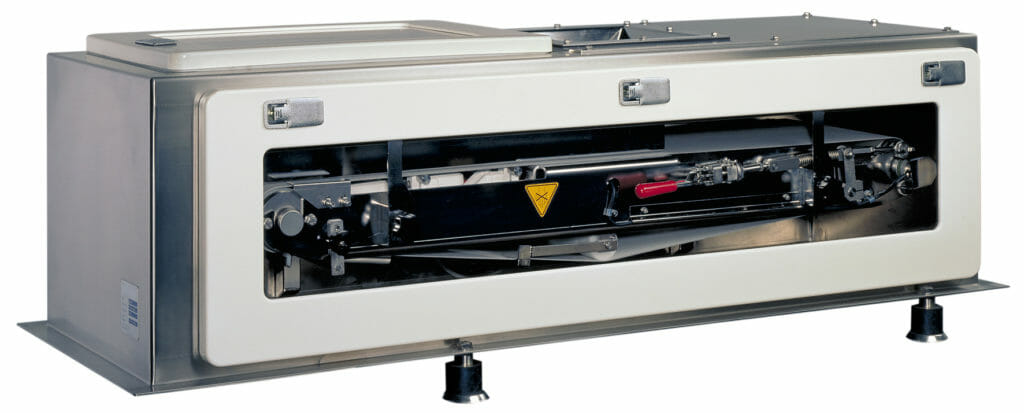
The shredded flakes are processed via High-precision SWB belt scales or gravimetric feeders reliably dosed into the ZSK extruder by Coperion K-Tron. Additional regrind, virgin material or mixtures can also be added. Melting, intensive degassing and complete homogenisation take place in the process section of the ZSK before the material flow is transferred via a gear pump and a filter with an automatic screen changer to a strand or underwater pelletiser for the production of pellets.
The granulate is then condensed in an SSP reactor. Its Quality corresponds to that of new goods and has received certification from the FDA for food suitability (Letter of Non Objection). This means that the granulate can be reprocessed into bottles in the next step, for example.
The quality of the end product is very high
The quality of the end product is very high with this bottle-to-bottle process. The material is handled extremely gently. The dwell time in the ZSK extruder is very short and dispersion is very good. The high torque of the ZSK extruder enables the Processing PET at low temperatures and with virtually no viscosity loss. The self-cleaning of the ZSK twin-screw extruder allows quick changes of formulation and colour. Thanks to the ZSK's excellent degassing capabilities, volatile components such as monomers, oligomers and water are reliably removed from the melt and removed from the exhaust gas flow in suitable separators upstream of the vacuum pump.
In addition to the high product quality Significant savings in operating costs and energy requirements as well as reduced logistics costs Further advantages of direct processing of PET flakes.
„With the FDA certification, the high product quality of the PET recyclate has now also been officially confirmed. With our Coperion process, we are providing recyclers with a technology that enables them to operate economically and at the same time make a decisive contribution to the plastics industry's transition to a circular economy.“ Jochen Schofer, Business Segment Manager Recycling & Direct Extrusion at Coperion
Source: Coperion