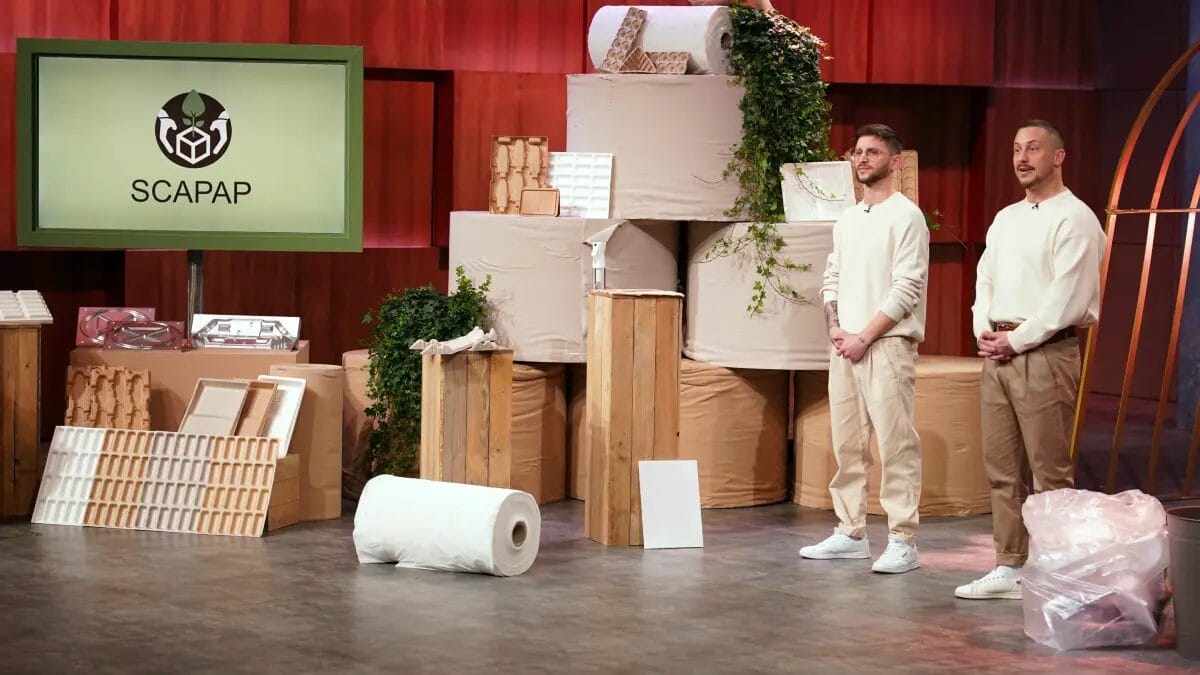
Based on their many years of experience in plastics processing, Jens and René Scafarti have developed a sustainable alternative to traditional blister packaging. With ScaPAP, the brothers from the Sauerland region of Germany have opted for 100 per cent paper - and are thus taking a step towards recyclable packaging solutions. They recently appeared with their solution on the start-up show „Die Höhle der Löwen“.
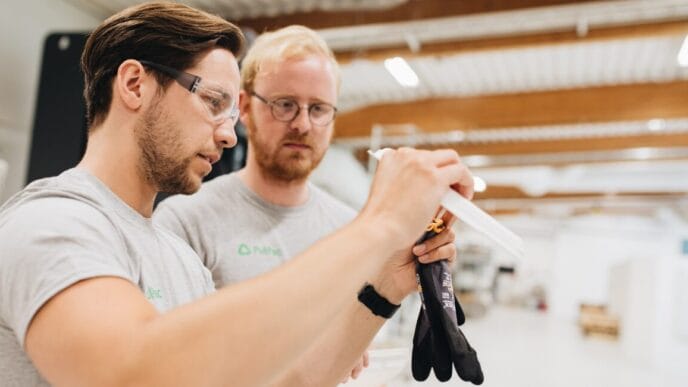
What do you do when you know the shortcomings of a standard packaging solution - and want to do it better? For Jens and René Scafarti, the answer was clear: develop an alternative themselves. The two brothers from Sundern in the Sauerland region of Germany are career changers who have spent years acquiring expertise in the field of thermoforming themselves and founded their company, the Scafa Thermoforming GmbH, independently. Originally specialising in plastic blister packs, they ventured into a new, more sustainable segment with the development of ScaPAP.
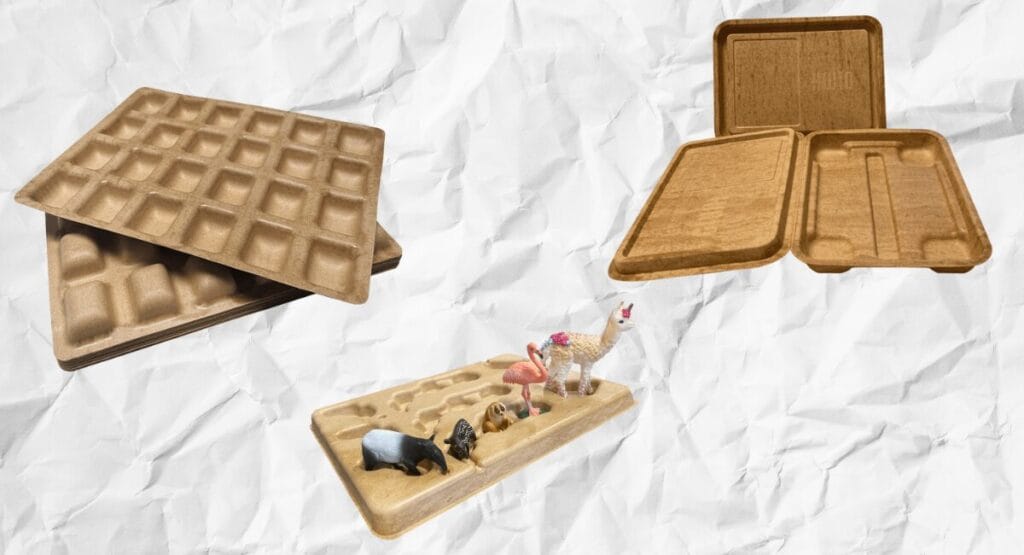
The new solution is based on dry moulded fibre technology. This is a process that makes it possible to produce stable and dimensionally stable packaging exclusively from paper fibres - without any coatings or composite materials. This makes ScaPAP a fully recyclable packaging that is visually and functionally similar to plastic solutions, but is much more environmentally friendly. The packaging is stackable, dimensionally stable and suitable for various applications - including as blister trays, inserts for advent calendars or fibre-based disposable packaging for food and non-food areas.

No deal on the TV show - but big plans
In spring 2025, the brothers appeared on the start-up show „Die Höhle der Löwen“ with their paper innovation. The response to the product was positive - the problem was not so much the technology, but rather the entrepreneurial presentation. The jury criticised the lack of precision in the business case in particular. Legal uncertainties surrounding the property rights of the process also meant that no investment was ultimately made.
The founding duo takes a sporting approach to the experience. In a Interview with WirtschaftsWoche Jens Scafarti said in retrospect: „We wanted to show that sustainability and economical packaging solutions are not mutually exclusive. Even if there was no deal, the TV appearance was a springboard for us.“
 From special format to industrial solution
ScaPAP is more than just an ecological niche idea. The process enables cost-effective series production, even in medium runs - an advantage that should be of particular interest to SMEs. Scafa offers the packaging solutions directly, but is also focussing on licensing the technology: the aim is to gain partners from the mechanical engineering industry in order to disseminate the process on a larger scale.
The founders are particularly proud of the regional production approach: production takes place entirely in Germany, with short distances, flexible implementation and direct customer contact. Through the targeted development of their own tools and processes, they have been able to optimise production costs to such an extent that ScaPAP can now compete with conventional blister solutions.
A product with a signalling effect
Scafartis see ScaPAP as an invitation to the industry to question existing structures - and to see sustainable alternatives not only as an ecological obligation, but also as an economic opportunity. Their paper blisters are an example of how experience, initiative and technical courage can lead to a real solution. Even if the big TV deal didn't materialise, their path shows that innovation often begins where entrepreneurs dare to break new ground.