The industry association BVSE warns of a possible collapse of the German glass recycling system. The reasons for the overloading of the system range from incorrect throws to a lack of melting capacity.
For decades, Germany was regarded as a pioneer in glass recycling. The collection rate was high and the circular economy worked. But now there are increasing warnings of a structural collapse of the system. At the 8th Packaging Recycling Conference in Berlin, Marc Uphoff, Vice President of the German Association for Secondary Raw Materials and Waste Management (BVSE) and Managing Director of the Reiling Group, painted an alarming picture.
Collection rates stagnate
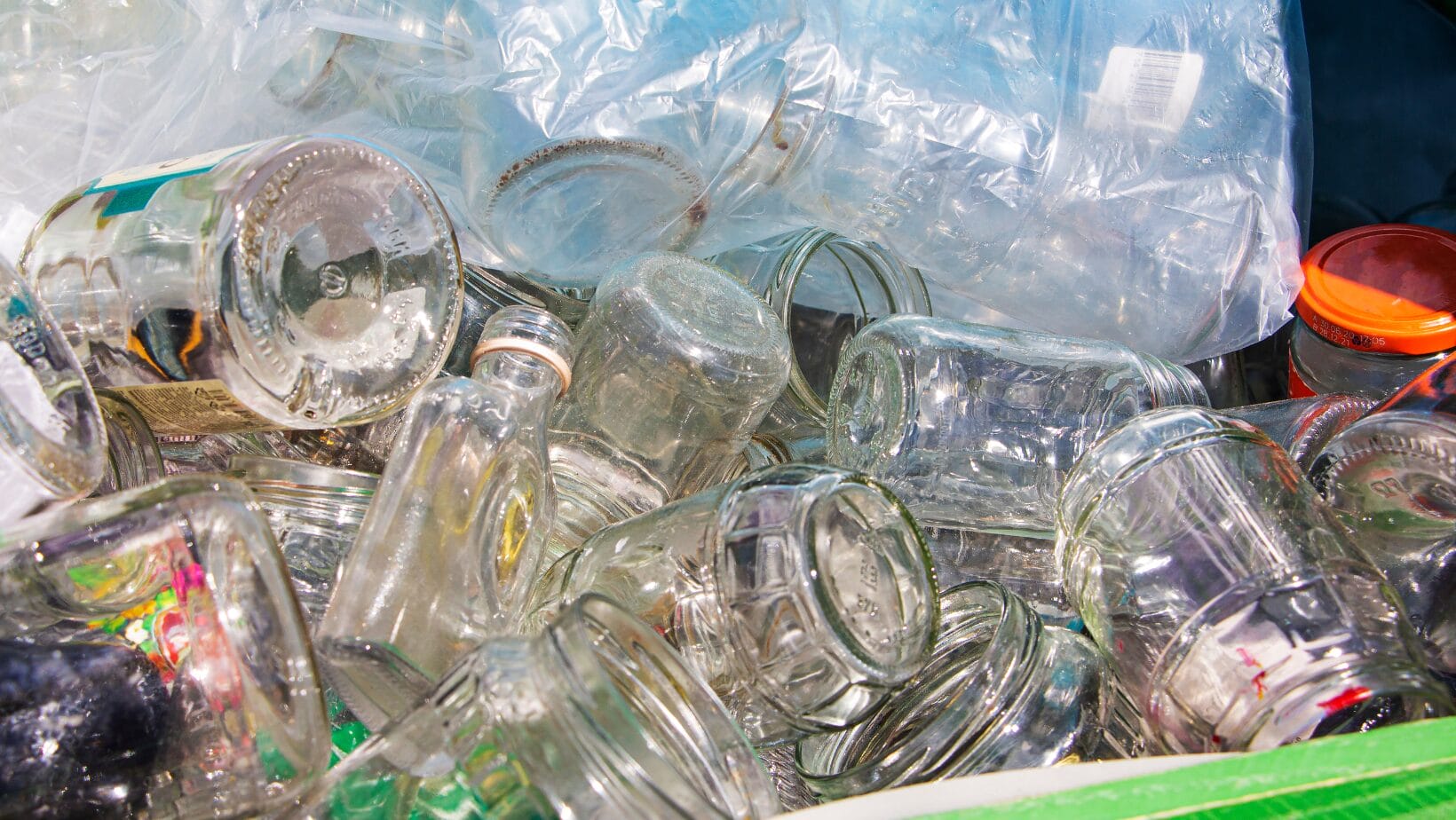
Despite social acceptance and established infrastructures, the legally prescribed collection rate of 90 per cent is no longer being achieved. It is currently stagnating at 82 to 83 per cent. The high amount of glass that ends up in residual waste is particularly worrying - in some cases several hundred thousand tonnes per year. A paradox, according to Uphoff: „People want to act sustainably - and yet we throw glass in the wrong bin.“

Melting capacities dwindle
At the same time, the glass industry is struggling with rising energy prices, changing consumer behaviour and international competitive pressure. Several glassworks have reduced or completely ceased production - especially for green glass. As a result, there is a lack of melting capacity. Recycling centres are full, storage space is limited and permits for expansions are difficult to obtain.
„Without melting furnaces, there is no recycling,“ summarised Uphoff. Should the system collapse, municipalities, consumers and packers would also be affected - with far-reaching consequences for sustainability strategies in the packaging industry.
Demands of the industry
In order to stabilise recycling, the BVSE is calling for improved production conditions for the glass industry, an increase in cullet usage quotas, including for imported glass packaging, unbureaucratic permits for additional storage and recycling areas and new recycling channels, for example in the construction sector. Uphoff emphasises: „If the cycle breaks, it affects everyone. What we need now is the courage to make pragmatic decisions.“
Source: BVSE