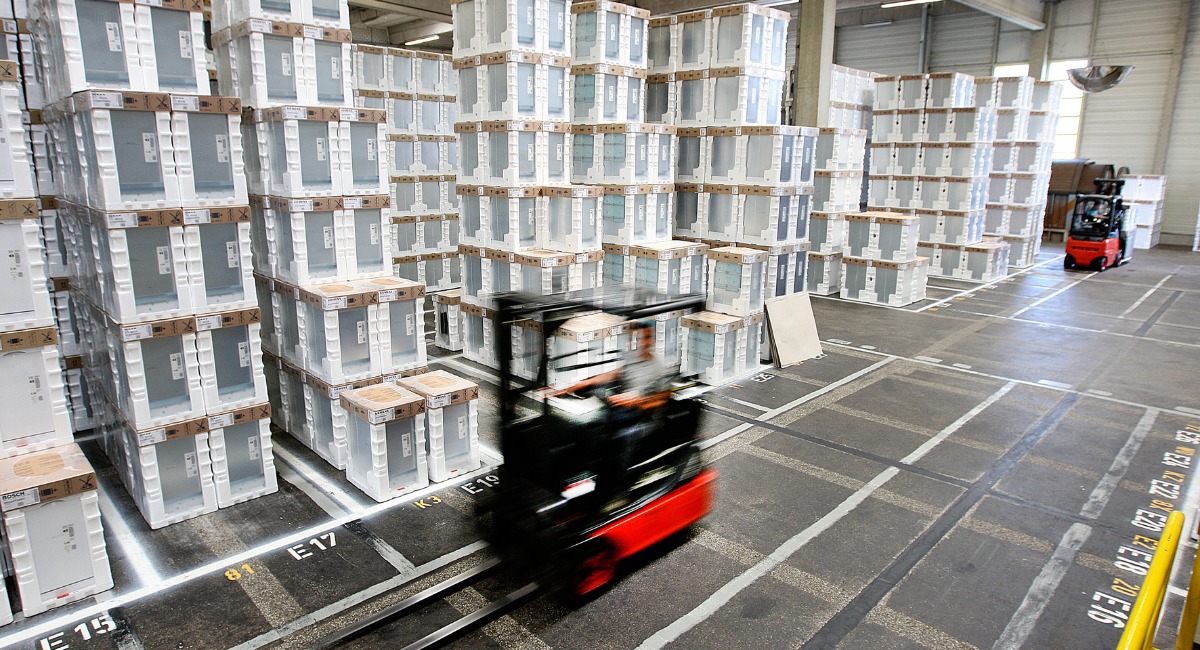

Proven packaging, reduced CO2-Footprint: BSH uses polystyrene packaging based on chemically recycled plastics from BASF for the first time.
From 1 April, BSH Hausgeräte GmbH will be using polystyrene, a raw material made from chemically recycled plastic waste, as packaging material for selected large appliances for the first time, particularly for the luxury brand Gaggenau.
First of all, BSH tests the Styrofoam packaging made from recycled material at the production site in Dillingen. The aim is to use such resource-saving packaging for all large appliances worldwide.
„Since the end of 2020, we have been developing and manufacturing all products worldwide at our sites as Europe's leading household appliance manufacturer CO2-neutral. But that's not enough for us. By utilising polystyrene packaging that uses raw materials from chemical recycling, we are making an active contribution to our sustainability goals and to the cross-industry circular economy.“ Silke Maurer, Chief Operating Officer of BSH Hausgeräte GmbH.
Packaging in new goods quality
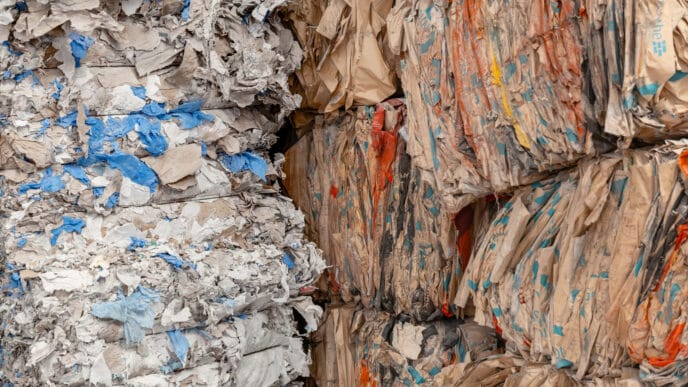
Due to its manufacturing process Styrofoam Ccycled has the same properties as conventional polystyrene. This means that the good packaging properties such as excellent shock absorption and high compressive strength are retained. In the production of the packaging foam, only fossil raw materials are replaced by the required quantity of polystyrene. of so-called pyrolysis oil, which is extracted from plastic waste by BASF partner companies. which would otherwise be utilised as energy or disposed of in landfill. BASF uses this oil to produce new plastics at the beginning of the value chain.

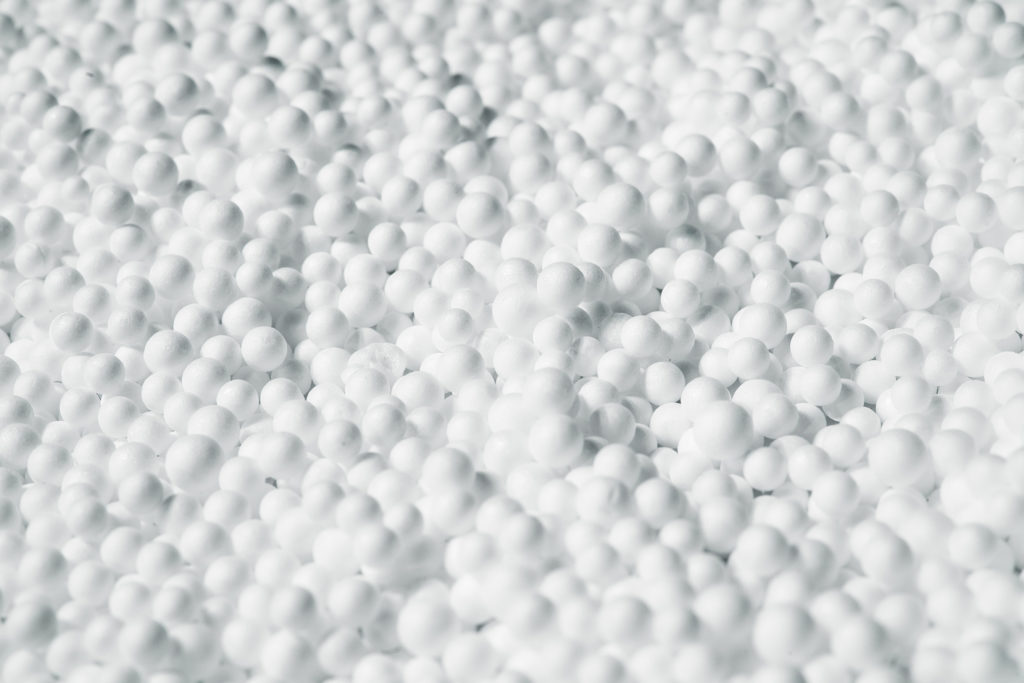
Allocate chemically recycled plastics using the mass balance approach
As recycled and fossil raw materials are mixed during production and cannot be distinguished from one another, the recycled content is added to the Styropor Ccycled via a Mass balance approach assigned. Both the allocation process and the product itself are certified by the independent Ecoloop certification programme. Compared to conventional Styrofoam, the production of Styrofoam Ccycled packaging can be as efficient as possible. at least 50 per cent CO2 save.
„The focus of the current environmental policy is to reduce greenhouse gas emissions, conserve fossil resources and avoid or utilise waste. Our partner BSH contributes to this through the use of products from our ChemCycling project actively helps to ensure that plastics are recycled after their use phase and fed back into the material cycle.“ Klaus Ries, Head of BASF's Styrenics business in Europe
In the future, the cooperation between BASF and BSH will be further expanded in order to Utilisation of alternative raw materials along other value chains and to find solutions for closing the plastics cycle in these areas. This includes looking at other recycling processes. Since Uncontaminated polystyrene packaging waste is very easy to recycle mechanically This type of recycling is already widespread and will be further intensified in the coming years.
SourceBASF