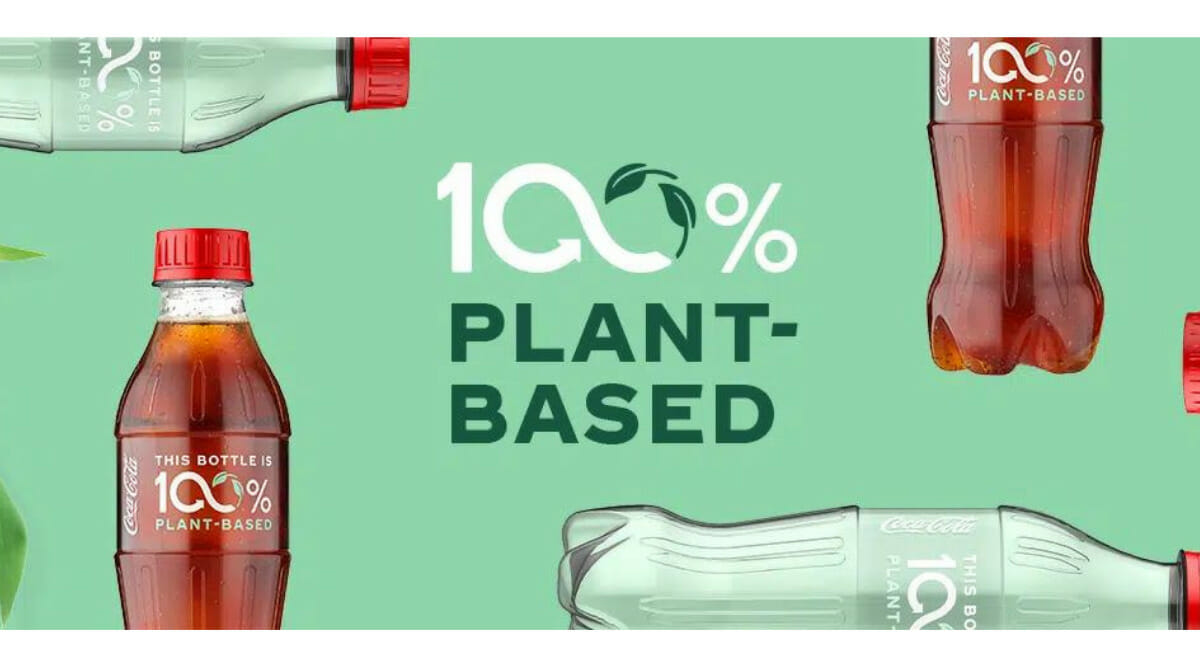
The Coca-Cola Company has now unveiled a next-generation bottle prototype: It is the first bottle made from 100 per cent plant-based plastic (bPET). The production run was initially limited to 900 units.
The new prototype uses only materials from renewable, plant-based sources, so that the bottle Completely without petroleum-based components is not needed. It is the result of partnerships with bio-based technology providers working to develop sustainable, forward-looking packaging solutions, including Changchun Meihe and Virent Inc.
The Bottle prototype was first organised in a limited edition of around 900 units produced. The bottle is recyclable and can be recycled alongside PET from petroleum-based sources in existing bottle-to-bottle recycling infrastructures.

Coca-Cola had also announced its intention to use three million tonnes less virgin plastic from petroleum-based sources by 2025. Depending on business growth, this would mean that around 20 per cent less plastic from fossil fuels would be used worldwide than today. The strategy for achieving this target includes Investments in new recycling technologies, Packaging improvements such as weight reduction, various business models such as refill, dispenser and fountain systems as well as the Development of new renewable materials.
„We are taking steps to reduce the use of petroleum-based plastics as we work towards our shared goal of zero net carbon emissions by 2050. We have long been working with partners to develop the right technologies to achieve 100 per cent plant-based content, with the aim of minimising our carbon footprint. It's exciting that we have reached a point where these technologies exist and can be scaled up by participants in the value chain.“ Nancy Quan, Chief Technical and Innovation Officer at The Coca-Cola Company
In 2015, Coca-Cola presented its first prototypes for a 100 per cent bPET PlantBottle (without cap and label), which uses laboratory-scale production methods to manufacture bio-based paraxylene and is still at an early stage of development. The next-generation bottle was produced using new technologies to manufacture the biochemicals that make up the bottle. Both technologies are ready for commercial use.
Source: The Coca-Cola Company