According to the German Packaging Institute (dvi), the ecological sense of the amendment to the Packaging Act remains questionable in many areas. The focus on recyclability is more important than image-driven decisions on reusable packaging and deposits, according to a statement.
Reusable is not fundamentally more sustainable than disposable. And When it comes to the use of recyclate, there are bigger construction sites than the beverage sector. In the opinion of Kim Cheng, Managing Director of the dvi, the amendment to the Packaging Act „misses the core of the environmental problem in many places“.
Circulatory capability takes centre stage
„In December 2020, we conducted a representative survey together with the WWF on the topics of deposit and reusable takeaway. This showed that the willingness to use a deposit is extremely high in the drinks sector. However, when it comes to containers for takeaway and delivery services, people have significantly different preferences than reusable containers. The focus here is on recyclability. This shows that citizens are more in favour of sustainable solutions than the current amendment to the Packaging Act.“

Reusable
From 2023, businesses that sell food or drinks outside the home will also be obliged to offer reusable packaging for their products. In the representative survey conducted in December 2020, 51.1 per cent of respondents were in favour of recyclable disposable containers made from recycled materials. For Cheng, the result shows that, that consumers have understood the meaning and purpose of the circular economy.
„The circular economy must be the central aspect of a sustainable approach to packaging. The aim is to keep the materials in the cycle. They are important secondary raw materials whose production involves a great deal of ecological effort. This must not be lost. Reusable solutions can certainly be advantageous. However, whether they really generate ecological benefits must be checked on a case-by-case basis. This is because reusable packaging has to be cleaned after use. This involves transport routes and the use of energy, water and possibly chemicals. Depending on how much effort is involved, a reusable option may or may not pay off. It would therefore be important to make decisions based on facts, preferably as part of a life cycle assessment for the respective field of application. In all cases, it is crucial that the packaging is recyclable and uses as much recycled material as possible.“
Compulsory deposit
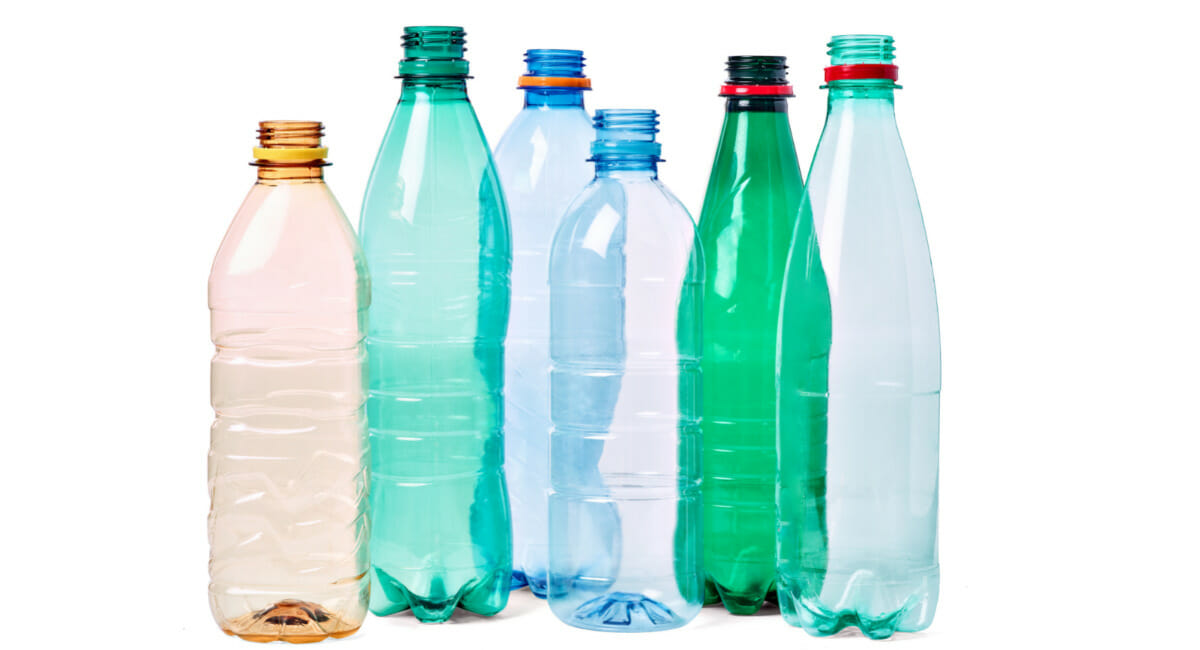
From 2022, a deposit will be mandatory on all disposable plastic drinks bottles and all drinks cans following the amendment to the Packaging Act. The current exceptions for fruit juices and mixed drinks will no longer apply. A transitional period until 2024 applies to dairy products.

„The amendment clearly reflects the will of consumers,“ explains Cheng. „In our December survey, 72.6 per cent of respondents were in favour of a mandatory deposit on all single-use beverage bottles and cans, regardless of content. Only 4.8 per cent of respondents do not see any point in extending the deposit.“ It is interesting to note in this context that According to the survey, 40.2 per cent also pay a deposit on hygiene and personal care packaging can imagine. 39.2 per cent also see this for detergents and cleaning products, and 33.7 per cent for fruit and vegetable packaging.
Recyclate content
From 2025, the amendment stipulates that PET beverage bottles made from At least 25 per cent recycled plastic exist. From 2030, a quota of at least 30 per cent will apply, which will then also apply to all single-use plastic bottles. Manufacturers can decide for themselves whether this quota applies per bottle or in relation to the total annual quantity of all bottles.
For the dvi this regulation leaves important areas of action unaddressed. „Beverage packaging is voluminous, but the vast majority of the packaging we need every day is food packaging. Here, the use of recyclable material would be particularly interesting from an ecological point of view. But the political framework for this is lacking,“ says Kim Cheng. „Technologically, there are already far more recyclate solutions available than are currently being used. For good reason, there are particularly stringent requirements for food contact materials. They must be authorised for use by the legislator. And this is still lacking. Politicians could provide important impetus here by authorising more recyclate for use in the food sector. In many cases, the industry has already documented their safety in its own tests. Legislators urgently need to follow suit here.“
Source: dvi