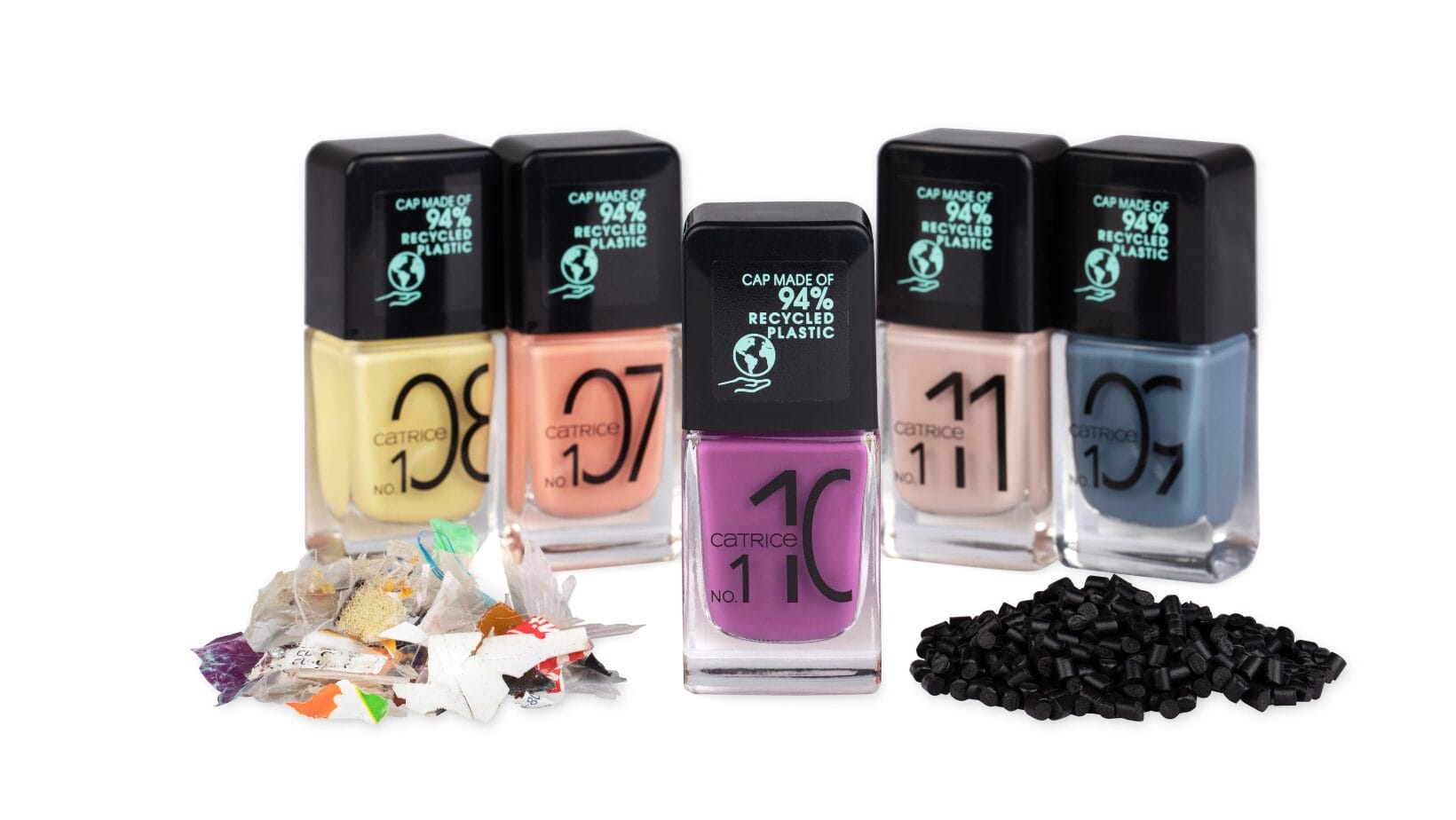
Packaging for decorative cosmetics is very special. It often consists of numerous materials that make it difficult to assess its recyclability. The Forum Rezyklat is therefore calling for the recyclability of packaging to be taken into account when designing it. Refactory would also like to see more design for recycling for cosmetics packaging. The British recycler produces a construction material that replaces plywood from the difficult-to-recycle packaging of lipsticks, eyeliners and the like.
The design for recycling of packaging for decorative cosmetics is more challenging compared to other packaging for drugstore products because they are Small, frequently round, often black or often have a metallic decoration. All of this leads to the packaging being rejected during the sorting process, and its valuable raw materials are lost forever.
A Forum Rezyklat working group made up of experts from BellandVision, Cosnova and dm now wanted to create a standardised, well-founded understanding of recyclability for this product category as well and has Design-for-recycling recommendations for the packaging of decorative cosmetics is developed. Individual packaging components made of plastic, glass and cardboard are scrutinised and special features and obstacles to recycling are pointed out. The free Specialist publication is available on the Forum Rezyklat website.

„There was a great deal of interest in this topic and the open dialogue made it possible to dissect the packaging down to the last detail. It became clear that the suppliers and packaging manufacturers for colour cosmetics want to actively participate in efforts to promote the circular economy.“
Waldemar Dederer, BellandVision
Recycled plastic as a substitute for plywood
The British company Refactory has already specialised in recycling plastic packaging that is difficult to recycle, such as that used for decorative cosmetics. After all, more than 100 billion items of cosmetics packaging end up in the rubbish every year, often consisting of different types of plastic and containing other parts made of metal or glass. This type of packaging is therefore unpopular with most recycling plants. Refactory, on the other hand, sorts out metal and glass components, shreds and washes the remaining plastic before it is finely ground and then pressed into plywood-like sheets. Colour and texture can be adjusted according to customer requirements, before flower boxes, furniture, bookshelves, shower cubicles and even bus stops are made from the sheets. The only disadvantage: microplastics are produced during processing. Refactory therefore processes the panels in-house and collects any microplastics produced in the process.
One third of the waste that ends up at Refactory for recycling comes from from collection boxes in British shops such as The Body Shop or Boots Pharmacy. However, the rest comes directly from cosmetics manufacturers, who often dispose of entire batches before they reach the shops - because products have been recalled, expired or mislabelled.