Creative exchange at the recycling workshop

Under the title „Design for/from Recycling“, experts along the value chain came together at the STI Group for a workshop.

How do you design sustainable and recyclable packaging from start to finish? This was one of the questions addressed at the STI Group workshop in Lauterbach. Under the title „Design for/from Recycling“, experts along the value chain came together on 21 and 22 June to discuss the status quo of fibre-based packaging and creative and innovative solutions that could be used in the future.

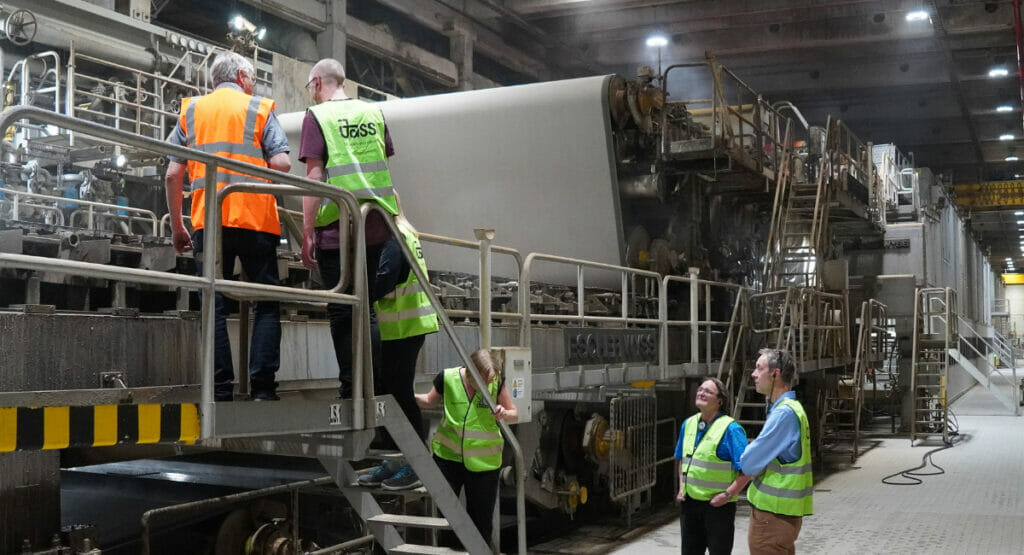
The project started where packaging recycling takes place in practice: The Jass paper mill opened its factory gates in Fulda for the workshop participants. Here, packaging waste in the form of waste paper is reprocessed into the raw material recycled paper. This insight makes the Advantages of fibre-based materials for the circular economy clearly. At the same time, there is also a concrete need for optimisation.

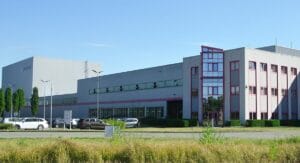
Picture of a warehouse in which paper and corrugated cardboard rolls are stored
(Image: packaging journal)

Composite materials made of fibres and plastics in particular are causing problems in the recycling cycle today. For Lydia Tempel from the Paper Technology Foundation (PTS) The key to optimised recycling lies in the design, because the Material selection influences recyclability decisive. However, consumers also play an important role, as they are the ones who have to dispose of packaging correctly.

How concepts for avoiding plastic in fibre-based packaging and optimising it for recycling are implemented in practice was demonstrated by the STI Group with concrete examples of solutions. In doing so, she focussed on Printing technology solutions as alternatives to the still common use of plastic films in the finishing area or as a grease and moisture barrier.

Display

Picture of a paper machine and people
The Jass paper mill provided an insight into the production of recycled paper. (Image: STI Group)

Packaging designers Uwe Melichar (Melichar Bros.) and Andreas Milk (Milk Kommunikation) presented the workshop participants with the latest trends and materials in packaging design. They discussed packaging based on mushroom cultures, films made from organic materials and the trend towards paper bottles. With „soupa soup“, Andreas Milk showed his agency's approach to launching a ready-made soup on the market where the primary packaging based on algae is simply eaten with the soup.

The possible approaches to making packaging more sustainable are numerous and varied. In order to offer their customers a provide practical guidance on how to make packaging more sustainable step by step the STI Group has developed the „Sustainability Scorecard“ analysis tool. With the help of the tool, potential for improvement can be recognised immediately and meaningful concrete steps for improvement can be derived.

„The challenge is to consciously check packaging for individual sustainability aspects and to utilise potential for improvement in a targeted manner. Opportunities for optimisation can lie in the material, but also in CO2 footprint or in the logistics process.“

Claudia Rivinius, Marketing Director of the STI Group

The innovative ideas and projects already realised with customers show that something is happening in the industry. Consumers are demanding sustainability and it also seems to be omnipresent in development and production. And the workshop also shows that Partnerships and the joint development of solutions arrives. 

Source: STI Group

More news on fibre-based packaging