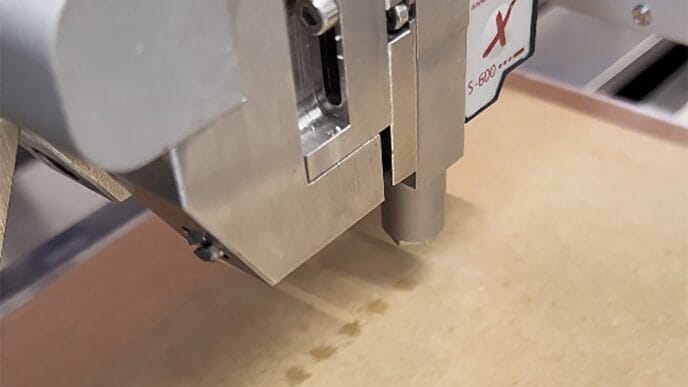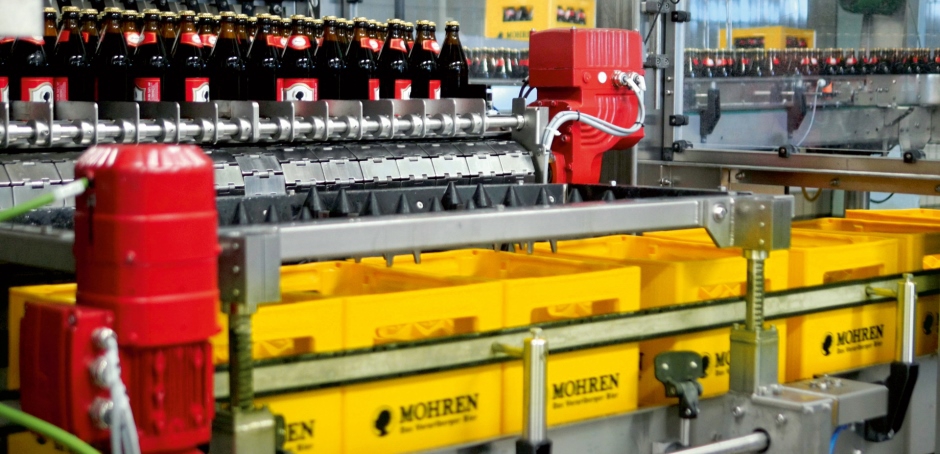

The Mohrenbrauerei brewery in Dornbirn, Vorarlberg, ordered a decentralised packer from RST Automatisierungstechnik in Barbing. It has optimised gripper tulips and can process a wide variety of beer bottles. The compact MOVIGEAR drive units from SEW-EURODRIVE form the backbone of the system's transport areas.
The brewery produces numerous types of beer, which are bottled in returnable, non-returnable, swing-top and PET bottles. With the sparkling Märzen beer „Moorish whistle“ from the eye-catching, rustic glass bottle, Mohrenbräu was one of the first bottlers in Austria to break new ground in 1990.
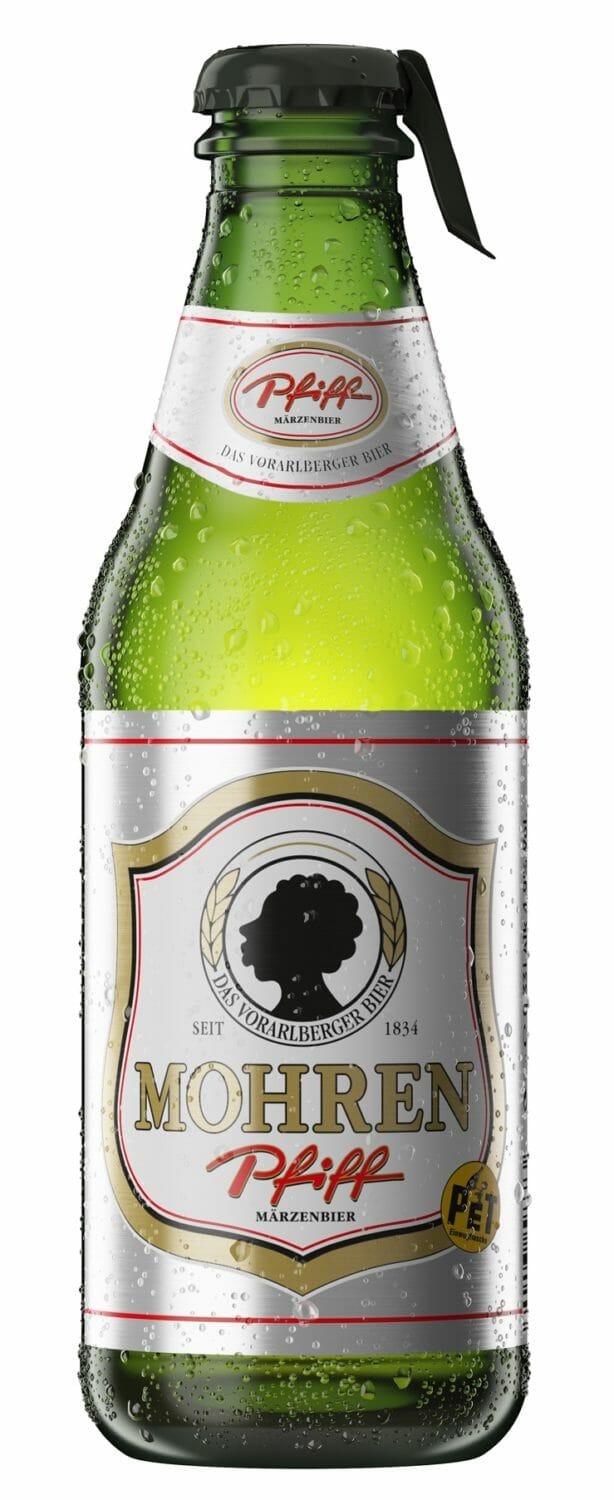
Around 20 years later, the variety is firmly established as a popular trendy beer - and ripe for another innovation: the brewery decides to also offer „Pfiff“ in a lightweight, shatterproof PET bottle with a closure that, unlike a crown cork, has no sharp edges and can be opened without a bottle opener. It is precisely this advantage of the Packaging for travelling presented a challenge for production under the direction of master brewer Ralf Freitag. The so-called „Easy Open Cap“ from Austrian packaging specialist Alpla has a relatively long tab on the side. From a handling perspective, this is a challenge because the bottle neck differs greatly from the usual glass bottles due to this „attachment“.

The challenge of modernisation
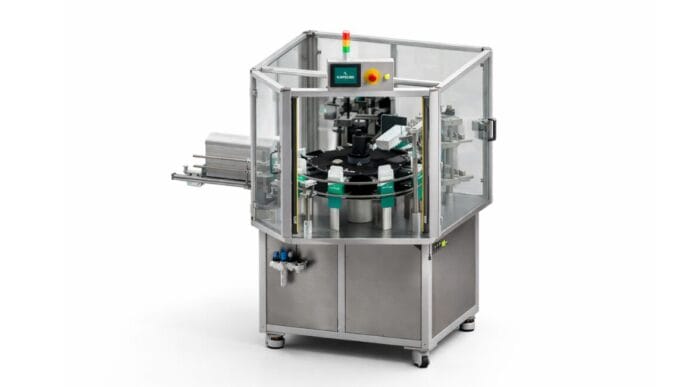
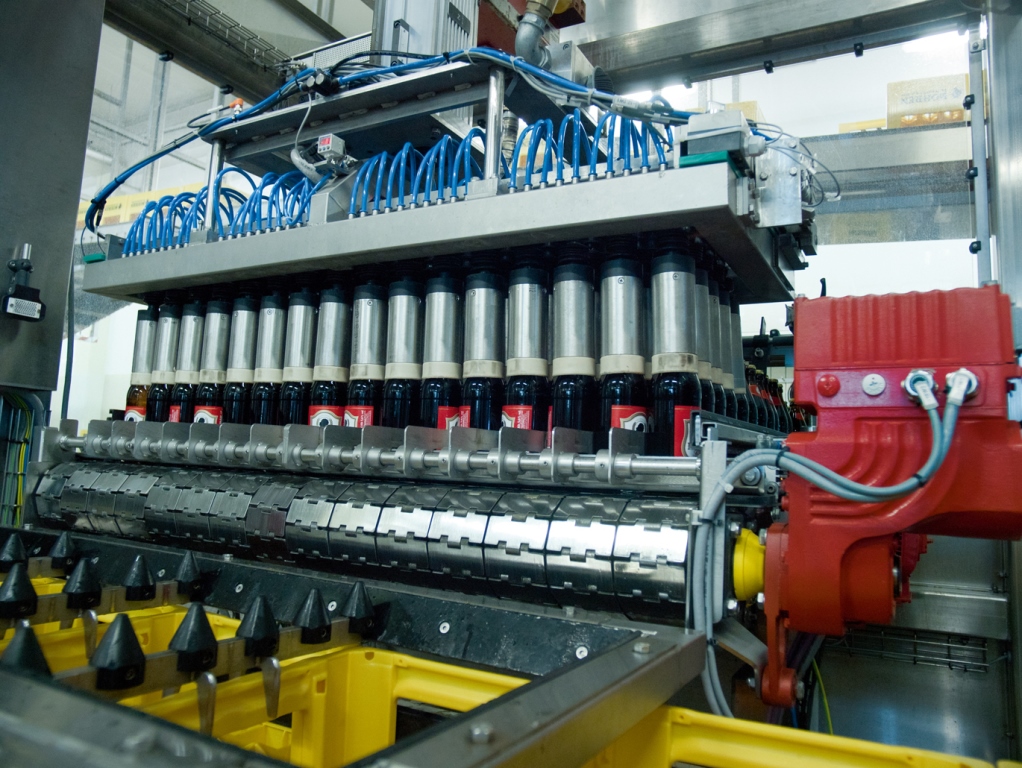
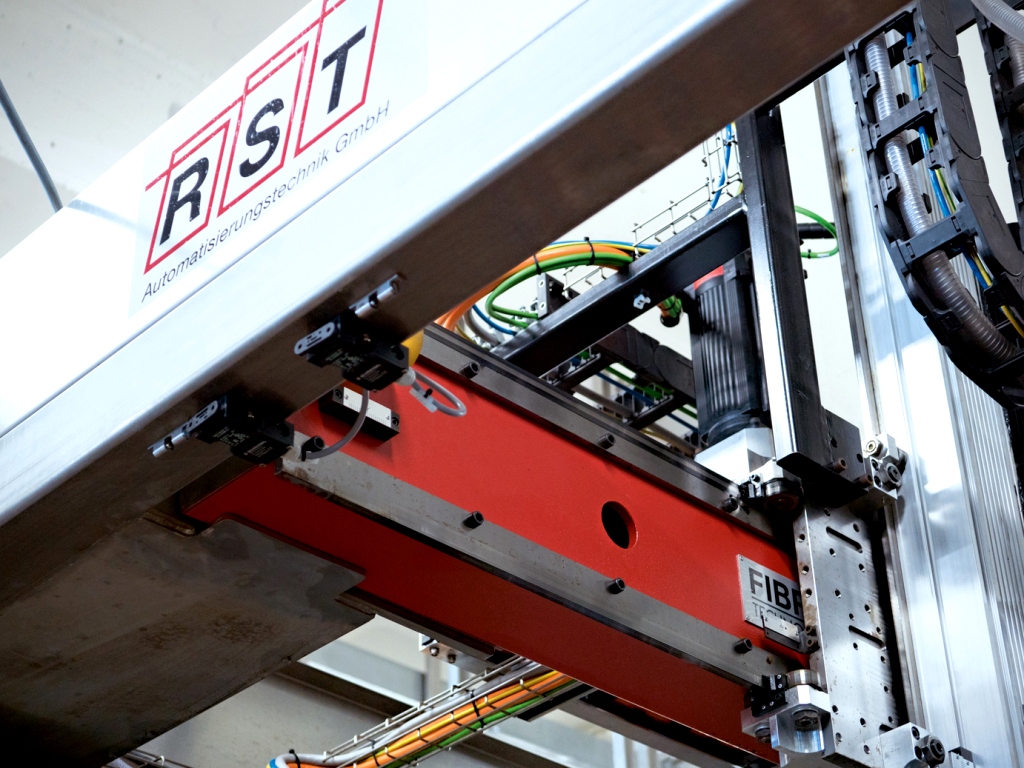
The engineers at RST Automatisierungstechnik GmbH in Barbing were therefore tasked with modernising parts of the bottling line: the tulips had to be equally compatible with the PET cap and all other types of bottle at the brewery, including glass bottles with a swing top. „We had to design the packing tulip so that it sits much lower on the neck of the bottle than usual,“ says master brewer Ralf Freitag, describing the task. RST Automatisierungstechnik, headed by Managing Director Rupert Hadersbeck, designed the vacuum tulip grippers accordingly and supplied a Four-headed packer, which handles very different bottle shapes without conversion. Vacuum technology is used to lift each individual container gently and safely into the crate at the same time. Four times 20 bottles are moved in a single operation: with drive technology that matches the Austrian customer's ecologically orientated energy management.
It runs and runs - with energy-efficient motors
The decentralised packer from the „Europac“ line is correspondingly equipped with efficient Movigear® drive units from SEW-EURODRIVE. Massive link chain belts in the infeed and outfeed of the bottle crates are moved by the compact mechatronic units. The encapsulated and optimised overall system consisting of motor, gear unit and control electronics achieves a high level of efficiency, which is why the drives in the entire series already comply with efficiency class IE4. Compared to other drive solutions, energy savings of up to 50 per cent can be achieved.
Other electric motors and gear units from SEW-EURODRIVE are also used in the decentralised packer. A bevel geared motor with integrated encoder moves the centring frame, which holds the crates in place during filling and centres the bottles on the crate compartments. The robot's two-axis gantry is positioned by precise and fast CMP servo geared motors. Over 32,000 bottles per hour can pass through the four-head packer thanks to these high-torque drives. The decentralised packer from RST Automatisierungstechnik in eastern Bavaria has now been operating without complaint for four years.
The legacy of the innkeeper Josef Mohr
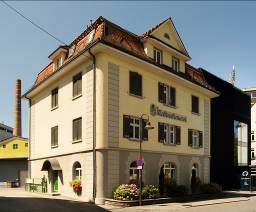
The origin of Mohrenbräu lies in the Vorarlberg of the year 1784A certain Josef Mohr opens a brewery pub in Dornbirn, Austria, that year. 50 years later, Franz-Anton Huber buys the business including the hop garden. The name and coat of arms are adopted - the „Mohr“ is the most popular pub in the area and thus already a successful brand. The Huber family has been running the business to this day, on the same site in the town centre since the middle of the 19th century. The brewing water comes from the mountains around the high-altitude Dornbirn district of Ebnit, which borders on a nature reserve.
Twelve types of beer are now brewed in accordance with the German Purity Law - in addition to the trendy beer „Whistle“ also offers traditional varieties such as unfiltered cellar beer, bock beer and Munich-style beer, as well as trendy mixed beer drinks (also available in unbreakable PET bottles) and a speciality, the fruity „Pale Ale“. It also sells numerous soft drinks such as lemonades, fruit juices, mineral water and energy drinks. Mohrenbräu even sells wine and various international beers in Austria, Switzerland, Liechtenstein and South Tyrol. The traditional company also offers guided tours and tastings. For the in-house „Creative Brewery“ a special small brewing plant has been set up where interested parties can try their hand at master brewing in courses.
Today, the company employs around 120 people and supplies over 220,000 hectolitres of beverages per year. However, the modest quantity of „300 buckets“ of beer still survives from the founding year under the management of Josef Mohr.
Modern brewing technology has a long tradition
„We haven't had any system failures so far,“ says electrician Hubert Strobl with satisfaction and master brewer Ralf Freitag knocks on wood. „SEW-EURODRIVE drives are practically standard in bottling plants,“ says the qualified engineer and beer sommelier. SEW motors can therefore be found just as often in container transport as in the handling systems for pallets and containers.
In 1997, Mohrenbräu was one of the first beer producers in Europe to Palletising the barrels automated with a 6-axis robot. The KUKA device was optimally equipped and programmed by RST Automatisierungstechnik for its intended purpose. Overall, the Vorarlberg-based beverage manufacturer is an early adopter of computer-controlled processes in many areas of production. This innovative spirit is something of a tradition in the family business: as early as the mid-1980s, the brewery developed and patented an automatic beer keg changer for the dispensing systems in the pubs.
Technology innovation with tradition
With around 47,000 inhabitants, the city is Dornbirn the largest municipality in the Austrian state of Vorarlberg. Although the neighbouring, much smaller Bregenz on Lake Constance is the provincial capital, Dornbirn at the foot of the Bregenzerwald mountains has developed into the capital of Vorarlberg as a result of industrialisation. economic centre of the region developed. The former textile company F. M. Hämmerle, at times the largest textile factory in Austria, played a major role in this.
The company was quick to utilise the water power of the steep mountain streams above the so-called Gütle. The area on the banks of the mountain river Dornbirner Ach already offered sawmills the necessary location with a source of energy. In the late 19th century, F. M. Hämmerle erected large spinning mill buildings next to the Ach, whose machines were initially driven purely mechanically by water turbines. The first telephone in the Danube monarchy rings in the factory: the textile company's office and weaving mill are located in another part of Dornbirn, so Hämmerle has the earliest telephone line in Austria-Hungary laid between the spinning mill and the headquarters. Emperor Franz-Joseph I personally inaugurated the pioneering innovation in 1881.
Following the closure of the spinning mill, a new use was sought and found for the factory buildings: The historic buildings near the wild and romantic Rappenloch gorge are now home to a Rolls-Royce museum that is unique in the world. The collection of around 100 vehicles from the British luxury brand dating from 1923 to 1939 is the largest of its kind. The museum's display workshop consists partly of original furnishings from the first Rolls-Royce production facility in Manchester.