The PET Forum in the IK Industrievereinigung Kunststoffverpackungen e.V. (IK), in which the manufacturers of both disposable and reusable PET drinks bottles are represented, is calling on the German government to carry out a neutral life cycle assessment in order to finally put an end to unsustainable claims about drinks bottles.
In the opinion of Forum PET, this life cycle assessment should be carried out neutrally by the Federal Environment Agency. The federal budget already contains 400,000 euros specifically for this purpose. The disposable-reusable debate is characterised by old prejudices. Many claims that are still made today by Reusable advocates are long outdated. However, on the basis of outdated data, a returnable quota of 70 per cent is still being advocated.
Neutral life cycle assessment to establish hard facts: The reusable food lobby is not on board
Unfortunately, the reusable food lobby has already announced that it would not recognise the results of a new life cycle assessment, even if it were carried out by the Federal Environment Agency.

"The fair comparison seems to be feared. All sides seem to realise that a new life cycle assessment would bring facts to light that would not be to the liking of the advocates of the reusable quota," comments IK Managing Director Dr Isabell Schmidt the attitude of refusal.
"Reusable drinks bottles have such a good reputation that their eco-balance is often no longer even questioned," says Dr Isabell Schmidt notes. "It is taken for granted that they are ecologically better than disposable bottles. But that's not true. A look at life cycle assessments reveals that transport logistics can be the Achilles' heel of reusable bottles."
This is still acceptable for regional distribution and the use of so-called pool bottles. However, it becomes a problem when heavy bottles are transported over long distances.
Ten-year-old data dominates the discussion
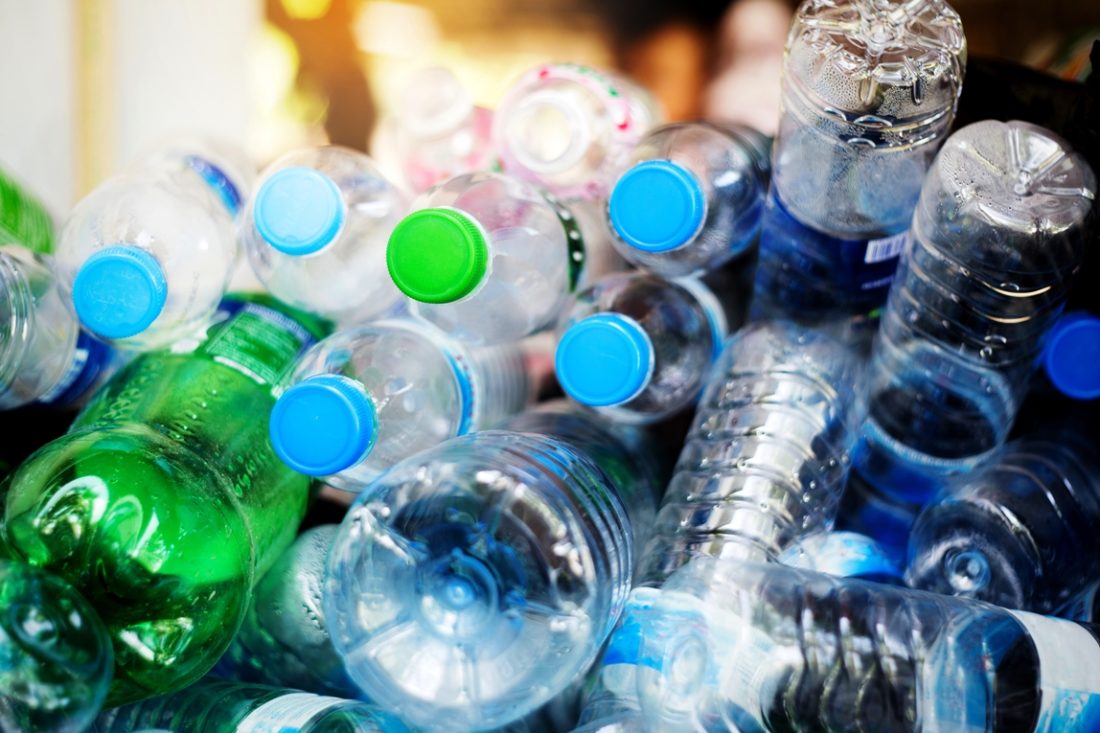
The last representative life cycle assessment for the packaging of mineral water and soft drinks is already ten years old. Even then, there was no clear result. Although the reusable PET bottle achieved the best rating, the reusable glass bottle was already inferior in terms of its environmental impact. CO2-Balance sheet by no means better than the one-way PET bottle with a deposit. Many years have passed since then, during which the beverage market has evolved in favour of one-way systems. The deposit system enables a closed and very efficient Recycling cycle for disposable PET bottles. Recycling rates of more than 97 per cent can hardly be increased. The reuse of recyclates in bottles is steadily increasing and was recently 26 per cent of the market average.
"There are PET bottles on the market that show that the bottles can even be made from 100 per cent recycled material," explains Dr Isabell Schmidt.

Individual bottles increase the volume of transport
In contrast, the proportion of individual reusable bottles in the reusable segment has risen sharply in recent years. The reason for this is marketing. Beverage brands in individual bottles have a higher recognition value and are therefore favoured by consumers. Unlike the pool bottles, however, the individual bottles must be returned to their original bottler and cannot be used by any other beverage bottler in the neighbourhood. This causes the logistics costs to skyrocket.
Current calculations by the Society for Packaging Market Research show that the daily traffic volume would increase by 2,850 lorry journeys if the proportion of reusable packaging were increased to 70 percent. This would increase CO2-emissions would increase by around 400,000 tonnes per year, which corresponds to more than six million domestic flights. "From a climate protection perspective, the required reusable quota would therefore be a bad decision," Schmidt concludes.
http://www.forum-pet.de
http://www.newsroom.kunststoffverpackungen.de
Source: Industrievereinigung Kunststoffverpackungen e.V.