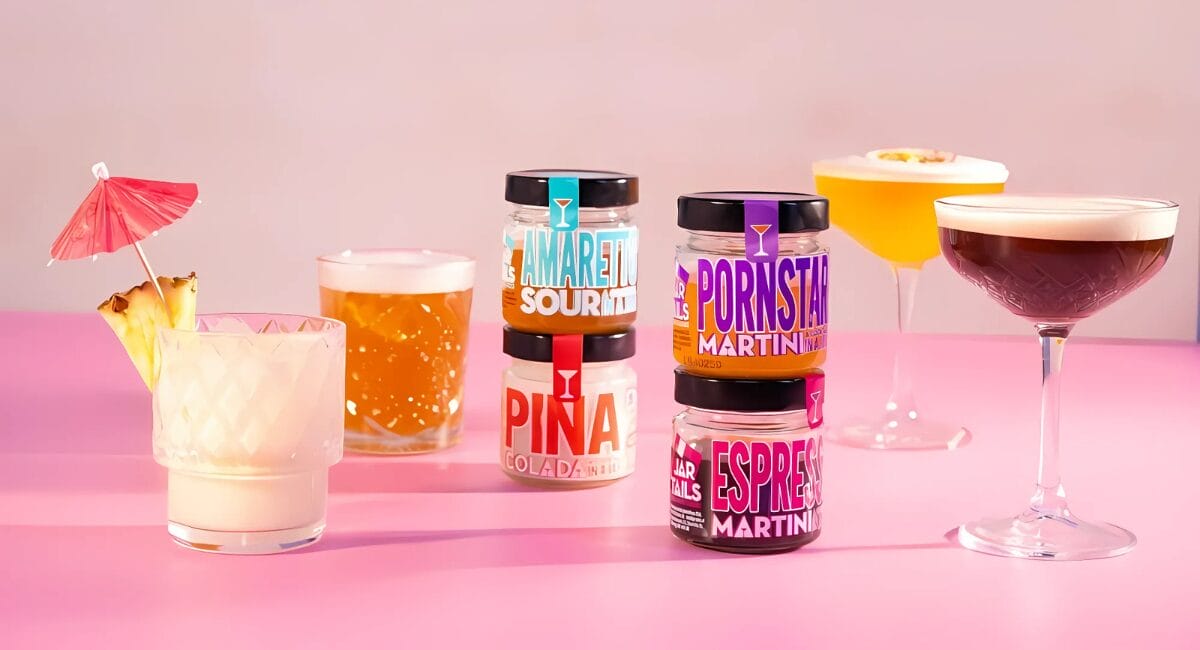
The long-established company Underberg is launching pre-mixed cocktails in screw-top jars on the German market for the first time. The concept combines convenience, brand presence and reusability - and thus also sets an example from a packaging perspective.
With the new "Jartails" product line, Underberg is entering a previously unoccupied market segment: pre-mixed cocktails in 270-millilitre screw-top glasses. The drinks are ready to serve, contain ice cubes and are available in well-known bar classics such as Espresso Martini, Mai Tai or Mojito. The range is initially available in German food retailers and is aimed at a young, urban target group that appreciates convenience and design in equal measure.
The idea: ready-to-drink meets reusable packaging glass. While cans or bottles have predominantly been used in the mixed drinks segment to date, Underberg has deliberately opted for the twist-off screw-top jar. This is not only visually striking, but also functional: the cocktails should be able to be consumed directly from the glass - without an additional glass, shaker or accessories.

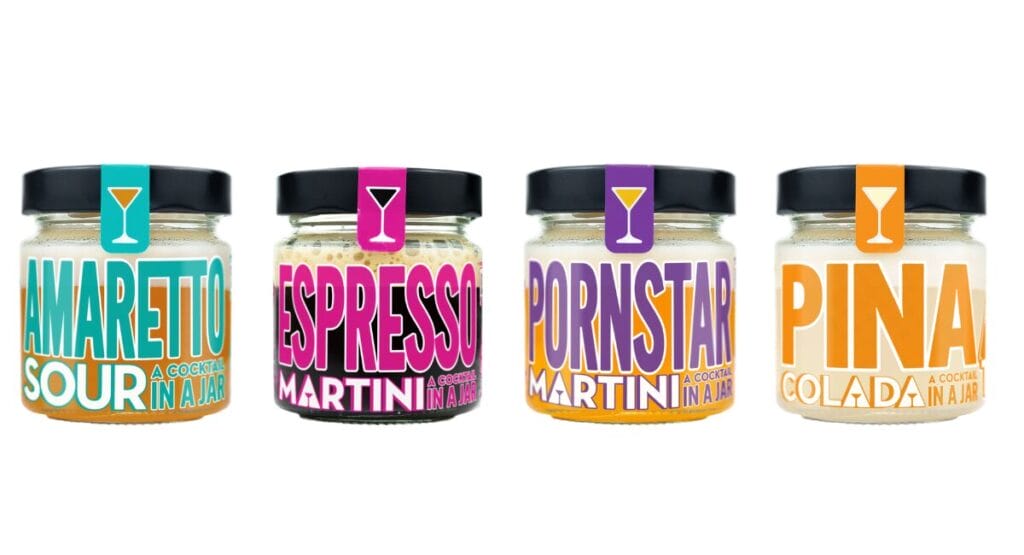
Packaging as part of the concept
From a packaging perspective, the screw-top jar offers a number of advantages: It is fully recyclable, reusable and creates a high-quality product impression thanks to its look and feel. It also allows a clear view of the product - an aspect that plays a role in marketing, especially for colourful cocktails.
According to Underberg, the jar is deliberately designed as part of the brand experience. The product name "Jartails" - an artificial word made up of "jar" (glass) and "cocktails" - also alludes directly to the packaging. This makes it clear that the aim is not simply to introduce a new drink, but a new form of cocktail consumption - with packaging that is part of the experience.
Challenges and opportunities
Compared to disposable cans or PET bottles, screw-top jars are heavier and more susceptible to breakage. Nevertheless, Underberg sees this as an opportunity for differentiation. According to the company, the concept is designed for convenience, sustainability and premium standards in equal measure. The reusability could be particularly appealing to consumers who value conscious consumption.
Industry observers see the innovation as a test balloon that could also provide new impetus for other brands in the RTD (ready-to-drink) segment. The segment has been booming for years - but packaging innovations beyond the classic can have been rare to date.