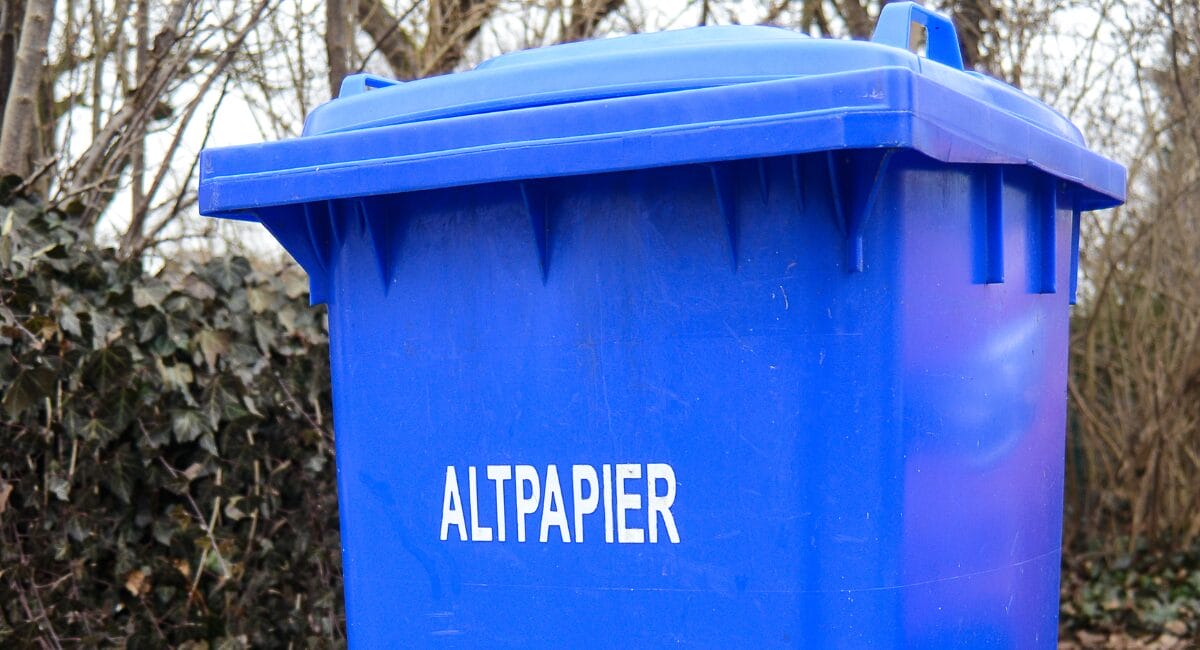
Beverage paper cups, packaging paper and wallpaper do not yet belong in the waste paper bin. This is because conventional wet recycling processes cannot break them down, according to the DBU. A project consortium involving fiber-rec, Gotic, Rohprog and the Technical University of Dresden, funded by the German Federal Environmental Foundation (DBU) with around 640,000 euros, is now demonstrating how these fibre sources can be integrated into closed loops using a dry defibration process and a digital raw materials platform.
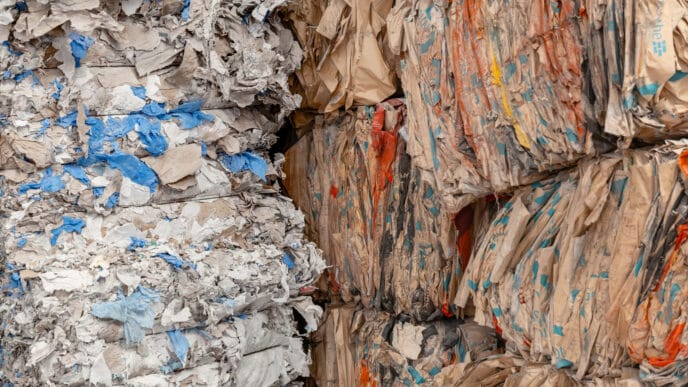
Paper recycling is considered a model for success: according to the Federal Environment Agency, the paper industry's use of recovered paper rose from just under 49% in 1990 to around 83% in 2023, significantly reducing wood, water and energy consumption per tonne of paper. At the same time, a further increase in the rate is difficult because certain wet-strength or heavily coated paper and cardboard products can hardly be broken down in the conventional wet pulping process, or only with very high energy and chemical input. These include bottle labels, animal feed sacks, decorative papers and cellulose towels.
Alexander Bonde, Secretary General of the DBU, emphasises the environmental aspect of the project: "The project shows that even complicated materials can be processed efficiently using innovative technology - with significant savings in CO2 emissions and resource consumption.

Dry defibration as a key technology
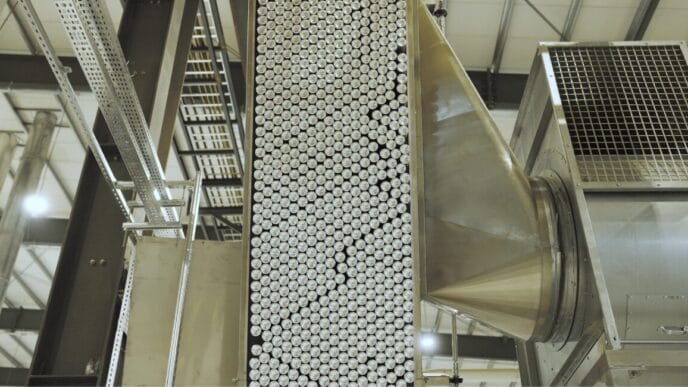
The central element of the project is a newly developed dry defibration process. In contrast to conventional wet processes, materials that are difficult to defibre are mechanically pulped dry. According to project manager Tilo Gailat, Managing Director of fiber-rec in Munich, this involves papers and cardboard that have to remain particularly stable when wet and moist - a property that makes them rejects in conventional paper recycling.
The annual loss is estimated at around two million tonnes of secondary fibres in the waste paper cycle. Dry defibration now makes it possible to tap into these fibre streams. The process saves energy and water compared to conventional recycling methods and also reduces CO2 emissions. The dry fibres obtained can be reused in the paper industry as well as for applications such as insulation materials, noise barriers or packaging.
Digital raw materials platform links fibre sources and applications
In parallel to the technology development, a digital raw materials platform was set up to record and analyse materials that are difficult to recycle and suggest suitable uses. The platform is aimed at companies along the value chain - from production and processing to disposal and industrial use - and is intended to help close fibre and material cycles efficiently.
It is based on a comprehensive database in which fibres are systematically evaluated - from the condition of the raw materials to possible processing options and the quality of the recovered fibre. The Munich-based company ROHPROG, which is now also a shareholder in fiber-rec, was involved in the development of the platform.
Test operation confirms industrial potential
More than 50 tonnes of dry fibres from previously non-classically recyclable sources have already been processed in test operations and used in industrial applications, including in paper machine trials. According to the project team, the savings in CO2 emissions are particularly significant when the recycled fibres replace primary raw materials. A processing centre has also been set up in which processes can be simulated and initial customer samples can be provided.
DBU expert Michael Schwake points to a greater potential than initially assumed - for example for fibres from plant residues or special papers, which have so far mainly been incinerated or landfilled. The project shows how new technologies and digital systems can help to establish sustainable material cycles for natural fibres such as cellulose - a step towards bioeconomy, resource conservation and climate protection.
Source: German Federal Environmental Foundation (DBU)