German discounters and supermarkets continue to offer too much food in disposable packaging, thereby exacerbating the packaging waste problem. This is the conclusion of the fourth packaging check by Deutsche Umwelthilfe (DUH).
The environmental and consumer protection organisation has Random sample of 48 branches of twelve supermarket, discounter and organic market chains in the four product categories of fruit and vegetables, drinks, milk and yoghurt as well as fresh and self-service counters. The supermarkets and discounters Kaufland, Aldi Nord, Aldi Süd, Lidl, Netto Marken-Discount, Norma and Penny once again all received red cards. Edeka and Rewe were the only conventional supermarkets to receive a yellow card in the overall result.
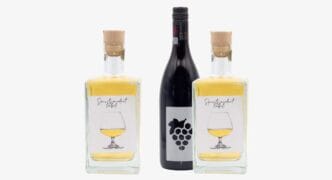
The organic markets Bio Company, Alnatura and Denns all received green cards. They show, that waste avoidance and resource conservation are feasible and practicable - also through innovative approaches such as reusable bottles for oil, vinegar or wine.

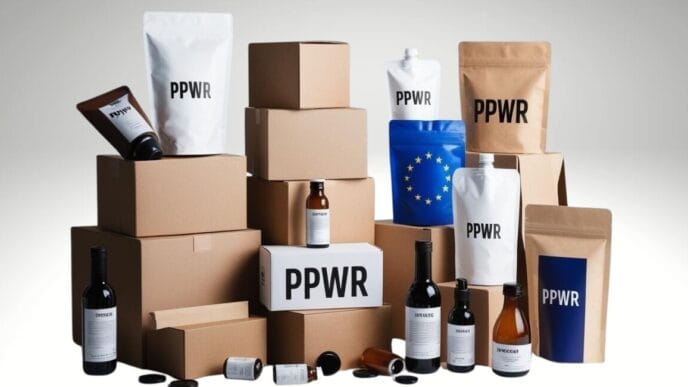
„Supermarkets and discounters still make it difficult for consumers to shop with minimal packaging. Unfortunately, our packaging check proves this for the fourth time in a row. We point this out year after year: Fundamental change will only come about through legal requirements and their monitoring. The EU is now setting the right direction: Less packaging waste, restrictions on the sale of fruit and vegetables packaged in plastic and a mandatory reusable range for drinks from 2030. Environment Minister Carsten Schneider must implement these regulations ambitiously in Germany instead of lobbying Brussels for a delay.“
Barbara Metz, Federal Managing Director of DUH
Fruit and vegetables are still sold on average in the conventional trade. almost two thirds pre-packaged offered. The Aldi Nord and Aldi Süd shops tested scored the worst here with 76 per cent. Reusable bottles were still not to be found on the drinks shelves of Aldi Nord, Aldi Süd and Lidl, At Norma and Penny, the proportion was 17 per cent. On average, the proportion of reusable products on offer at traditional supermarkets and discounters was a serious 32 per cent. below the quota of 70 per cent stipulated in the Packaging Act. The new requirements of the EU packaging regulation will oblige discounters such as Aldi and Lidl to offer reusable bottles from 2030.
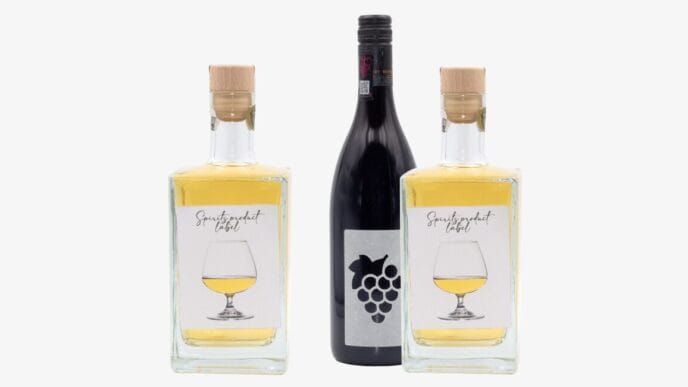
In order to realise further potential for environmental relief, the DUH has carried out a study for the first time, whether reusable bottles were offered for wine, oil and vinegar and only found them in organic supermarkets.
„Once again, the organic markets we analysed show just how environmentally friendly packaging can be. When fruit and vegetables are 92 per cent unpackaged at Alnatura and 85 per cent unpackaged at Denns, large retail chains cannot hide behind cheap excuses. At bakeries in the Bio Company, it has been standard for years that coffee-to-go is only available in reusable cups. There are also filling stations for dry foods such as rice or pasta. The good performance of the organic markets shows that waste avoidance and climate protection can be realised. In order to enable as many people as possible to shop with as little packaging as possible, the major food retailers must finally catch up.“
Elena Schägg, Deputy DUH Head of Circular Economy
Source: DUH