DUH reusable food award for Alwa, AquaRömer and Fairfood

On Thursday, Deutsche Umwelthilfe (DUH) and the Stiftung Initiative Mehrweg awarded the Reusable Innovation Prize to Alwa Mineralbrunnen GmbH, Fairfood Freiburg and AquaRömer GmbH & Co. KG. All three companies have realised pioneering developments in the area of reusable packaging, thereby strengthening the German reusable packaging system.

On Thursday, Deutsche Umwelthilfe (DUH) and the Stiftung Initiative Mehrweg awarded the Reusable Innovation Prize to Alwa Mineralbrunnen GmbH, Fairfood Freiburg and AquaRömer GmbH & Co. KG. All three companies have realised pioneering developments in the area of reusable packaging, thereby strengthening the German reusable packaging system.

The award-winning company Alwa Mineral Springs has put a new filling line into operation at its production site in Sersheim and can thus save 14.2 million kilowatt hours of electricity per year, which corresponds to 4,800 tonnes of CO2 equivalents per year. This has enabled the company to cut its emissions at the site by almost a third. The new bottling plant thus meets the increased sustainability demands of consumers and represents a valuable investment in environmental and climate protection. The main supplier of the bottling plant is Krones AG, Rink GmbH, among others, is also involved, as are Logopak.

Reusable avoids waste

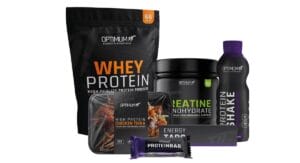
FairFood Freiburg was honoured for being the first company in Germany to use the climate-friendly reusable food system - outside the dairy sector. For example, nut butters, nuts and dried fruit are offered in the standard reusable jars previously only used for dairy products such as yoghurt.

(Image: AquaRömer)

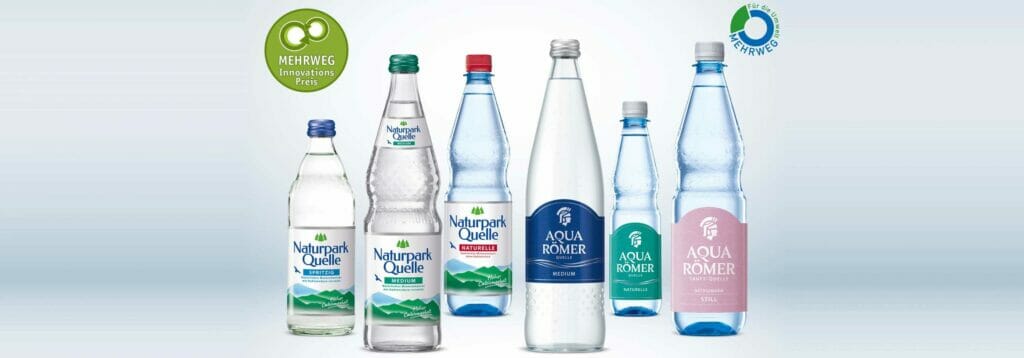
The award-winning company AquaRömer receives this year's Reusable Innovation Award as a special prize for this exemplary step, to fill all beverages exclusively in reusable containers and to completely dispense with disposable packaging in the product chain. To ensure that the reusable system can fully realise its ecological advantages over disposable containers, the company only uses pool containers from the German Fountain Cooperative.

Display

Reusable drinks packaging avoids waste, saves resources and protects the climate. In Germany alone, up to 1.4 million tonnes of CO2 equivalents could be saved, all non-alcoholic drinks would be filled exclusively in returnable bottles instead of disposable bottles. Reusable PET bottles can be refilled up to 20 times and glass bottles up to 50 times.

Source: German Environmental Aid

Further news from the field of sustainability

Photo: Yangi

Dry forming goes industrial: Yangi starts fibre tray production

With its Cellera technology, Swedish company Yangi is launching production-ready, dry-formed fibre trays for meat, fish and ready meals onto the market for the first time. The dry-forming process enables precise high-volume production with short cycle times of 4-6 seconds and is designed to overcome the limitations of wet-formed fibre packaging.
Read more "

Olive oil in a paper bottle

Jordan is launching olive oil in a paper bottle made of 94 per cent cardboard with a thin inner tube made of recyclable mono-material and a specially developed pouring spout.
Read more "