The German Packaging Institute (dvi) has published an orientation paper on securing load units. It is intended to support companies in the packaging and logistics industry in categorising the future requirements of the EU packaging regulation PPWR.
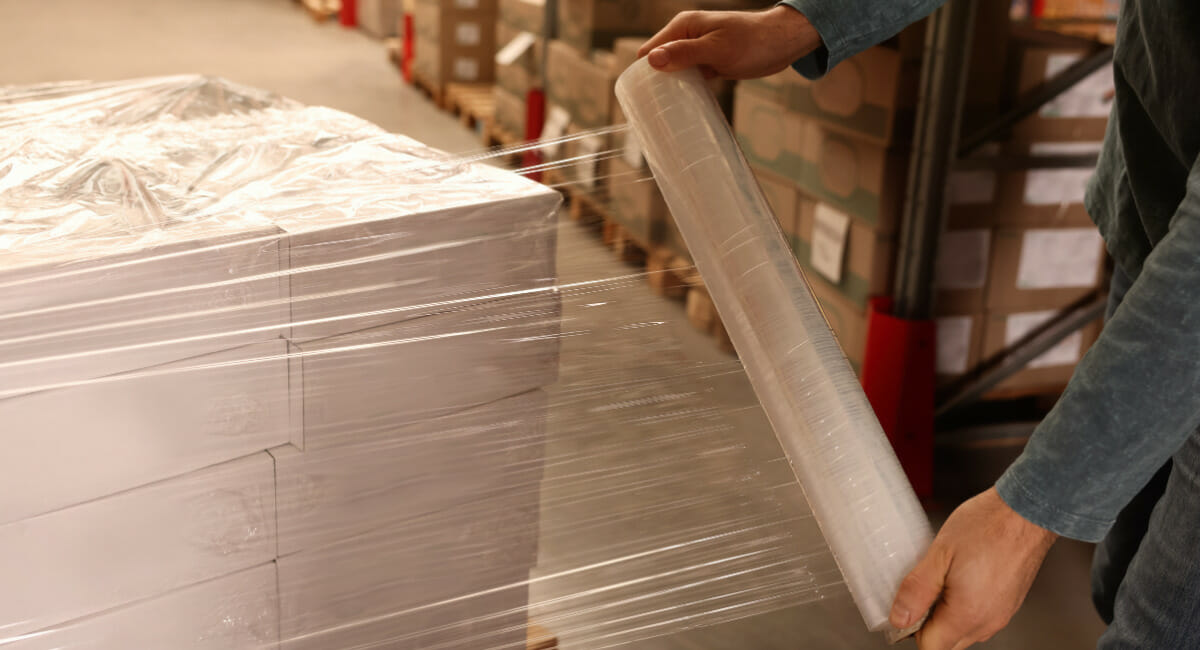
With a view to the gradual application of the European Packaging Ordinance PPWR from August 2026, the German Packaging Institute has presented an orientation paper on securing load units. The background to this are new requirements for reusable quotas and minimum recyclate usage quotas, which are to apply to transport packaging from 2030 - including strapping and flexible pallet wrapping made of plastic and paper.
According to the dvi, the orientation paper summarises the current status of regulatory requirements and classifies key issues from practice. It focuses in particular on Article 29 of the PPWR, which stipulates a reusable quota of 40 per cent for transport packaging, and Article 7, which defines minimum quotas for the use of post-consumer recyclates. For stretch film and plastic strapping, recycled content of 35 per cent is envisaged from 2030 and 65 per cent from 2040.

Practical reusable alternatives are lacking
At the same time, the paper points out existing challenges. To date, no practical reusable alternatives that can be used in automated processes are available for securing load units with disposable films and tapes. Against this backdrop, the orientation paper highlights the need for innovation along the entire value chain - from standardisation and system integration to handling, logistics and empties management through to cost-effectiveness, digitalisation and traceability.
As an alternative to ambitious reuse targets, the authors of the paper argue in favour of the targeted development of suitable recycling loops. Studies have shown the ecological benefits of securing single-use loading units, provided that these are integrated into functioning recycling structures. At the same time, the dvi identifies challenges in the use of recyclates, such as the availability of raw materials, quality assurance and material performance with high recycled content.
The orientation paper was drawn up with the involvement of the dvi's Load Unit Security Committee, in which around 20 companies from material production, packaging development, logistics and application are represented. External input, including from the European Safe Logistics Association, was also incorporated.
Source: dvi