Emirates Biotech has selected Sulzer as the technology supplier for its planned polylactic acid (PLA) production plant in the United Arab Emirates. The plant will be built in two phases, each with an annual capacity of 80,000 tonnes, leading to a total production capacity of 160,000 tonnes per year.
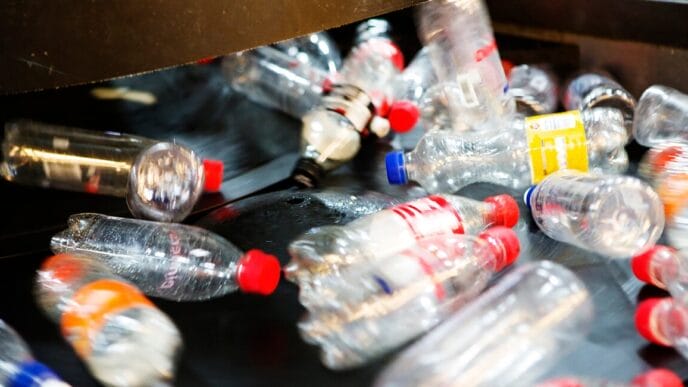
Once completed, the plant will be the largest PLA production facility in the world. According to the operator, the amount of bioplastic will be sufficient to to replace around 3.2 billion plastic bottles and reduce CO2 emissions by more than 300,000 tonnes per year.
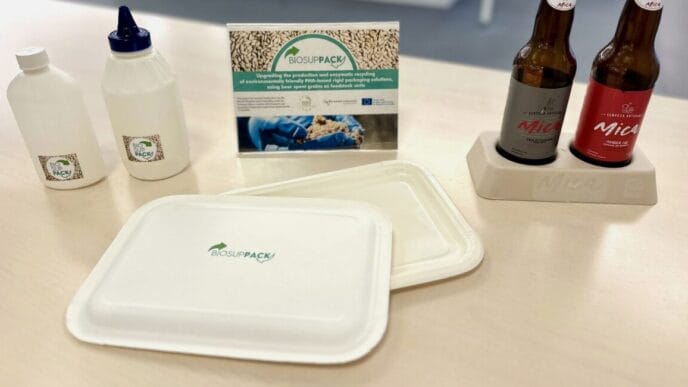
PLA offers a sustainable alternative to conventional plastics. It is used in many applications such as packaging and disposable utensils and helps to reduce dependence on single-use plastic worldwide. Emirates Biotech will now the PLA technology licensed by Sulzer use to Control all production steps from a single location, including the production, purification and polymerisation of lactide. The plant will also utilise a plant-based feedstock to produce high-quality PLA bioplastics on a large scale and position the Middle East as a major player in the bioplastics industry.

The licensed PLA technology from Sulzer is is already in use in most PLA plants worldwide. Construction of the plant in the United Arab Emirates is scheduled to begin in 2025, and the plant is scheduled to be operational at the beginning of 2028. The plant will use lactic acid (LA) as a raw material for the production of PLA, which is a low-carbon and biodegradable alternative to conventional plastics and thus makes a further contribution to the circular economy.
As the global demand for PLA continues to grow due to environmental concerns and the shift to sustainable materials, this plant could well be the Middle East's next step. position itself as an important player in the bioplastics industry and support regional and global efforts to combat plastic pollution.
Source: Emirates Biotech