Empa researchers have developed a novel, edible biomaterial made from fungal mycelium that is completely biodegradable, tear-resistant and versatile - from compostable packaging to biodegradable batteries.
According to Empa, a Swiss research organisation, it has taken an important step in materials research: a newly developed living material based on the fungal mycelium of the common split leaf (Schizophyllum commune) combines biocompatibility, high tear resistance and complete biodegradability - and is even edible.
In contrast to previous approaches, the researchers have completely dispensed with chemical refinements. The secret lies in utilising the extracellular matrix of the fungus, which contains natural macromolecules such as schizophyllan and hydrophobin. These give the material stability and versatile functional properties.

Applications: From packaging solutions to the cosmetics industry
The possible applications are wide-ranging:
- Compostable packaging: The material is tear-resistant and can be processed into thin films - ideal for sustainable packaging solutions, as they say.
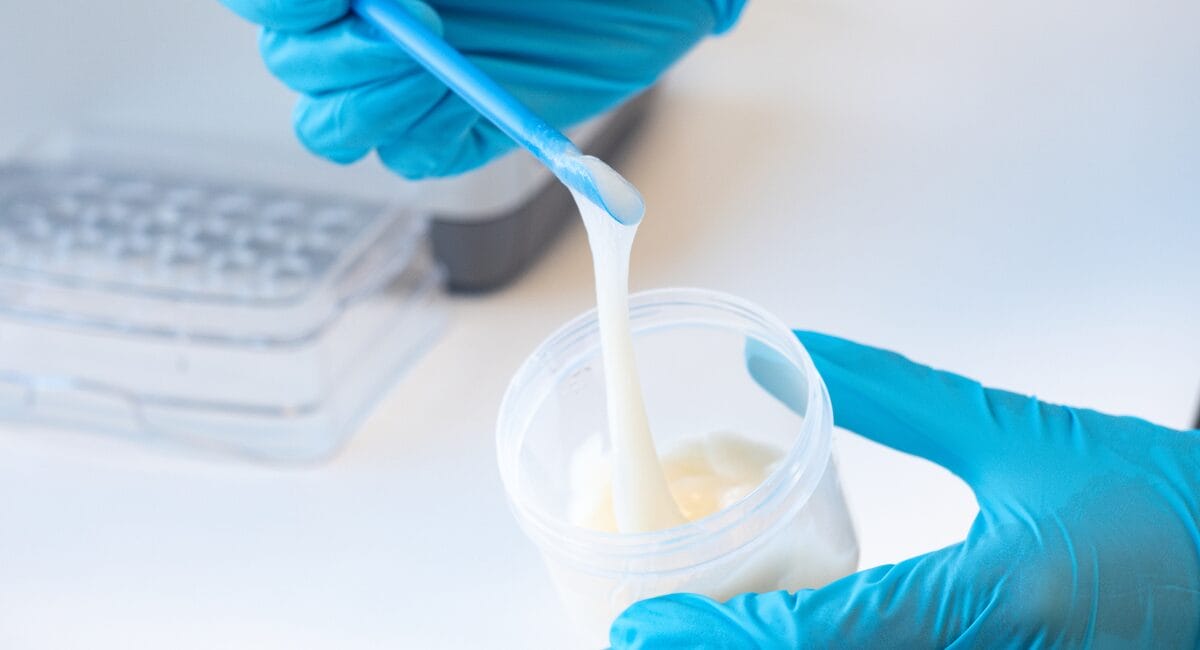
- Food and cosmetics industry: Due to its edible and non-toxic properties, it is ideal as an emulsifier for products such as mayonnaise, milk or cosmetics.
- Biodegradable sensor technology: Thanks to its reaction to moisture, the material is also predestined for use in moisture sensors.
- A particular highlight: the material can actively contribute to the composting of organic waste, as the fungus itself decomposes wood and plant materials. Composting waste bags that directly support the decomposition process are conceivable, according to the Swiss company.
Source: Empa