More packaging must be recyclable in the EU in future. Negotiators from the European Parliament and the EU member states agreed on this on Monday evening (4 March). However, it is more than questionable whether all member states, and Germany in particular, will finally agree to the regulation.
On Monday, the EU Parliament and the Council reached a provisional agreement on what is described as „revised rules to reduce, reuse and recycle packaging, increase safety and promote the circular economy“. In short, the reduction of packaging and a restriction of certain packaging formats are key points of the regulation.
Certain packaging banned from 2030

The agreement sets targets for the reduction of packaging (5 per cent by 2030, 10 per cent by 2035 and 15 per cent by 2040) and obliges EU countries to reduce the amount of plastic packaging waste in particular. According to the agreement, certain single-use plastic packaging will be banned from 1 January 2030, including
- Packaging for unprocessed fresh fruit and vegetables
- Packaging for food and beverages that are filled and consumed in cafés and restaurants
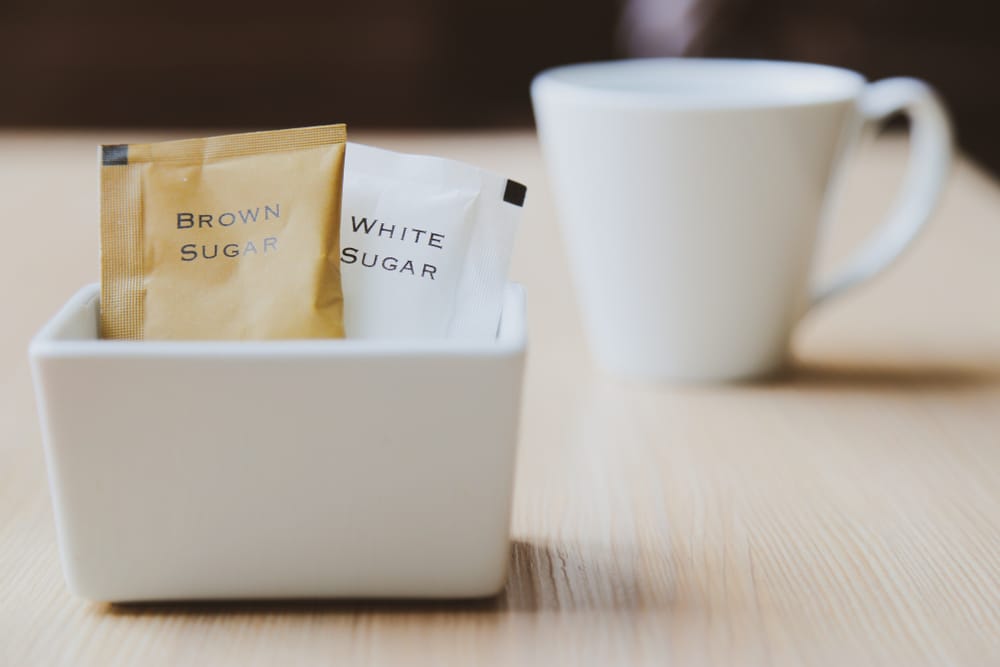
- Single portions (e.g. for spices, sauces, cream, sugar)
- Miniature packaging for toiletries
- Shrink film for suitcases in airports
Ban on „forever chemicals“
MEPs also ensured a ban on very light plastic carrier bags (less than 15 microns), unless they are required for hygiene reasons or are used as primary packaging for loose food to avoid food waste.
In order to “prevent harmful effects on health“, as it is called, Parliament has enforced a ban on the use of so-called „forever chemicals“ (per- and polyfluorinated alkyl substances or PFAS) in food contact packaging.
Promotion of reusable packaging
The negotiators agreed to set a specific target for reusable packaging for alcoholic and non-alcoholic beverages (except e.g. milk, wine, aromatised wine, spirits) by 2030 (at least 10 percent). Member States may grant a five-year derogation from these requirements under certain conditions.
Retailers of drinks and takeaway food in the catering sector would be obliged to offer consumers the option of bringing their own containers. They should also endeavour to offer 10 percent of products in reusable packaging by 2030.
Packaging should be recyclable
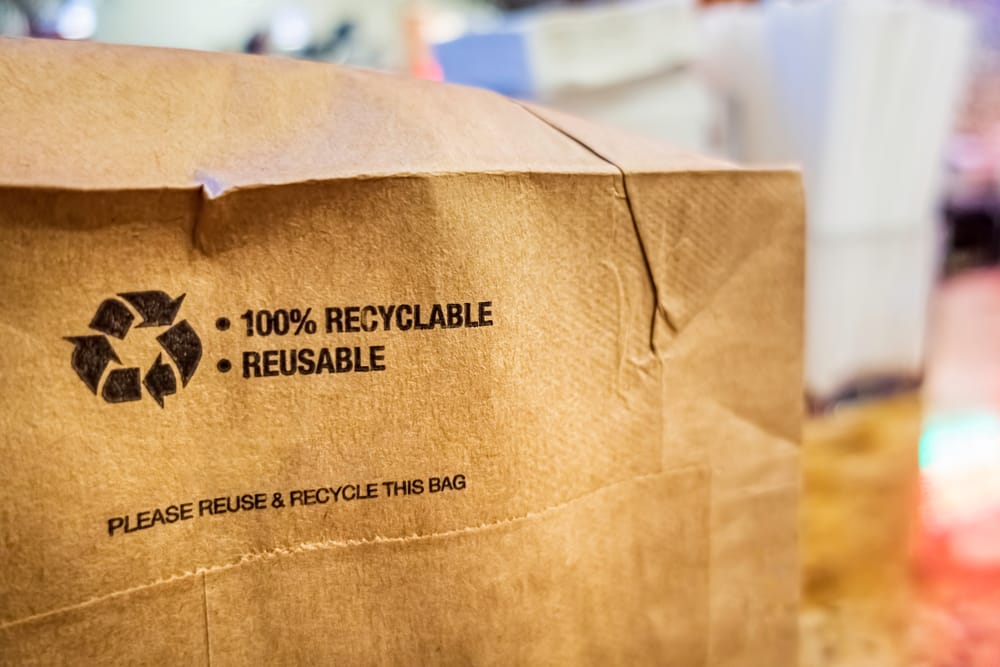
The adopted regulation also stipulates that all packaging should be recyclable in future and must fulfil strict criteria. These criteria should be defined by secondary legislation. Certain exemptions are provided for lightweight wood, cork, textiles, rubber, ceramics, porcelain or wax.
The following resolutions were also adopted:
- Minimum targets for the recycled content of all plastic parts of packaging;
- Minimum recycling targets for the weight of packaging waste generated and increased requirements for recyclability;
- 90 per cent of single-use plastic and metal drinks containers (up to three litres) are to be collected separately by 2029 (deposit systems).
The aim is to gradually reduce packaging waste in the international community by at least 15 per cent by 2040 compared to 2018.
Will the regulation fail due to a veto from Germany?
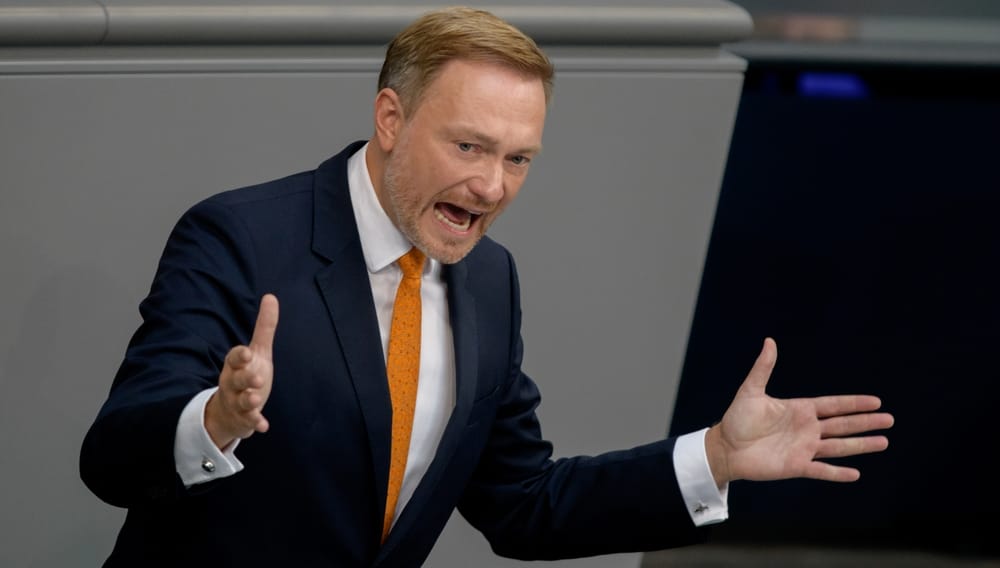
However, the result still has to be approved by the Council and Parliament, with the vote in the Council possibly being blocked by a German veto. According to reports, Finance Minister Christian Lindner (FDP) has allegedly agreed a deal with his Italian counterpart. There is speculation that Germany would abstain on the packaging regulation criticised by Italy if Italy were to vote against the supply chain directive rejected by the FDP. The FDP had previously denied rumours to this effect.
Manufacturers warn of failure of the regulation
The „Several major consumer goods manufacturers warned the “Handelsblatt" against the failure of the regulation. Without the regulation, important innovation impulses that would make packaging more sustainable would be prevented, says Reinhard Schneider from Werner & Mertz to Handelsblatt. Despite all the criticism of the new EU regulation, many manufacturers are generally hopeful that standardised European rules will eliminate a lot of administrative work.