The Council of the European Union approved conclusions on the new bioeconomy strategy on 17 March 2026, thereby supporting the transition of bio-based innovations into industrial application. The aim is to strengthen the establishment of sustainable and non-fossil materials and to promote investment in appropriate technologies.
The bioeconomy encompasses the use of renewable biological resources such as plants, animals and micro-organisms to produce food, energy and industrial products. With the new strategy, the EU aims to strengthen its competitiveness while promoting sustainability and the circular economy.
Focus on investments and faster procedures
The Council stresses the importance of an innovation-friendly environment. This includes simplified regulatory frameworks and accelerated approval procedures to facilitate investment in bio-based solutions. At the same time, stronger coordination of national measures is called for to make the implementation of the strategy more efficient.

A key issue is the creation of reliable demand for sustainable materials. This is considered crucial for mobilising private investment and developing new markets. The identification of so-called lead markets with high growth potential is particularly highlighted.
New opportunities for packaging and materials
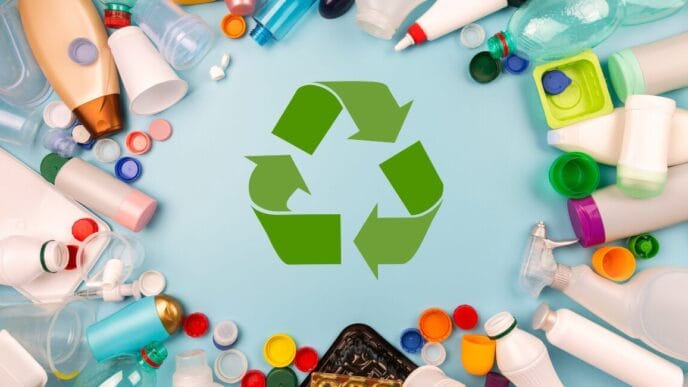
Alongside classic fields of application such as bio-based plastics, chemicals or fertilisers, the Council sees additional potential in other industries. These include, among others, paper, textiles, or innovative materials from the so-called blue bioeconomy, for example based on algae.
For the packaging industry, the promotion of bio-based materials is particularly relevant, as they are considered an alternative to fossil fuels and are increasingly supported by regulations. At the same time, the Council is calling for a sustainable assurance of biomass supply and a greater use of by-products and waste along the value chains.
Significant economic sector with growth prospects
The bioeconomy is already a significant economic factor in Europe today. According to current figures, the sector employs around 17.1 million people and generated a total value of approximately 2.7 trillion euros in 2023. This makes it one of the fastest-growing sectors of the EU economy.
The European Commission's updated strategy, presented at the end of 2025, forms the basis for the Council's conclusions, which have now been adopted. It aims to develop a competitive and sustainable bioeconomy in Europe by 2040.
Source: Council of the EU