
The EU project PROMOFER, coordinated by AIMPLAS, is developing new processes for converting agricultural and food waste into bio-based materials. The aim is to overcome industrial bottlenecks in fermentation and create sustainable alternatives to petroleum-based products.
In the wake of growing environmental problems and the urgent need to reduce dependence on fossil resources, the development of cycle-orientated, bio-based solutions is becoming increasingly important. One promising approach is the conversion of waste materials from the agricultural and food industries into high-quality materials such as biodegradable plastics or sustainable components for industrial applications.
This is precisely where the EU project PROMOFER, coordinated by AIMPLAS and funded as part of the Circular Bio-based Europe Joint Undertaking (CBE-JU), comes in, according to a statement from Valencia. The aim is to produce two biobased key compounds: PHBV, a biodegradable plastic, and 2,3-BDO, an important starting material for the production of sustainable polyurethanes.

Progress after one year of the project
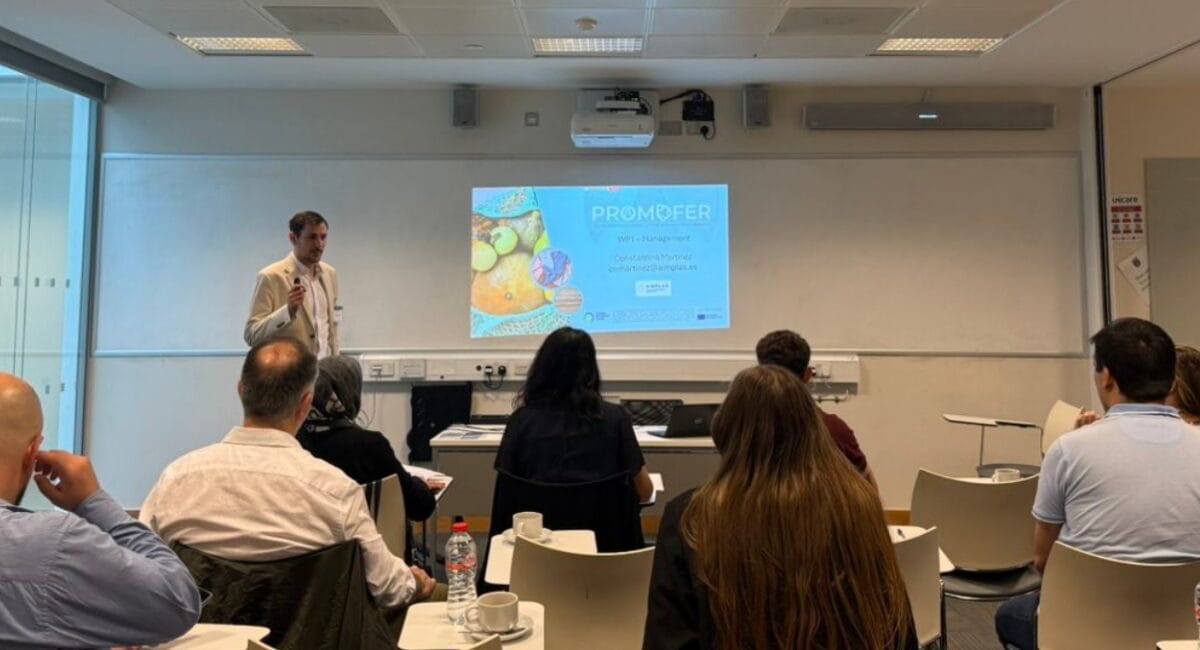
After the first year of the project, the consortium met in Dublin on 17 June to assess the current status of the work. Among other things, progress in enzymatic hydrolysis, the characterisation of microorganisms and initial results in the production of volatile fatty acids were presented. In parallel, work is being carried out on scaling up the fermentation processes and designing the production systems.
The project partners are analysing and utilising a variety of waste materials: from starchy by-products and whey permeate to industrial wastewater and lignocellulosic biomass such as rice and wheat straw and pruning waste. The aim is to efficiently utilise these biogenic residues for fermentation.
Sustainable change through industrial innovation
In addition to technical innovations, PROMOFER is also working on the social acceptance of bio-based circular products and aims to closely involve stakeholders through targeted communication measures. The project runs until June 2028 and has 13 partners from seven European countries.
According to AIMPLAS, the aim of the project is to significantly increase the yield of bio-based plastics through optimised fermentation processes and biotechnological innovations. This should make them more competitive compared to conventional, chemically synthesised materials.
Source: AIMPLAS