Glass is one of the oldest man-made packaging materials. The first finds from Mesopotamia date back to around 1600 BC. Glass containers were already being used in Egypt around 1450 BC. It was here that the Romans discovered the advantages of glass, primarily the Flavour neutrality compared to the vessels made of clay, wood or leather that had been common until then.
The technology of glass production was continuously developed and quickly spread throughout Europe. Today, glass in Germany occupies the fourth place in the packaging balance in. Every year, more than 17 billion glass containers are produced from around four million tonnes of glass and are primarily used in the Food industry used. 40 per cent of drinks are filled in glass packaging. The main advantage of this type of packaging material is the good availability of the required, predominantly natural, raw materials, such as sand, soda and lime, whereby the largest raw material input in glass production is waste glass, which is recycled after an average of fifty uses of Reusable packaging from glass is fed back into the process and thus contributes to a significantly improved energy balance.
Glass packaging with excellent properties
In addition to the aforementioned advantages of the raw material base for glass production, technological improvements since 1970 have also led to a 25%igen weight reduction of packaging with a simultaneous increase in Breaking strength. In addition, glass packaging is physiologically safe to use and can therefore be described as sustainable in the best sense of the word. The design element has also become increasingly important in recent times. Glass is an ideal raw material for outstanding packaging design and thus help many well-known brands to set their products apart from the competition.

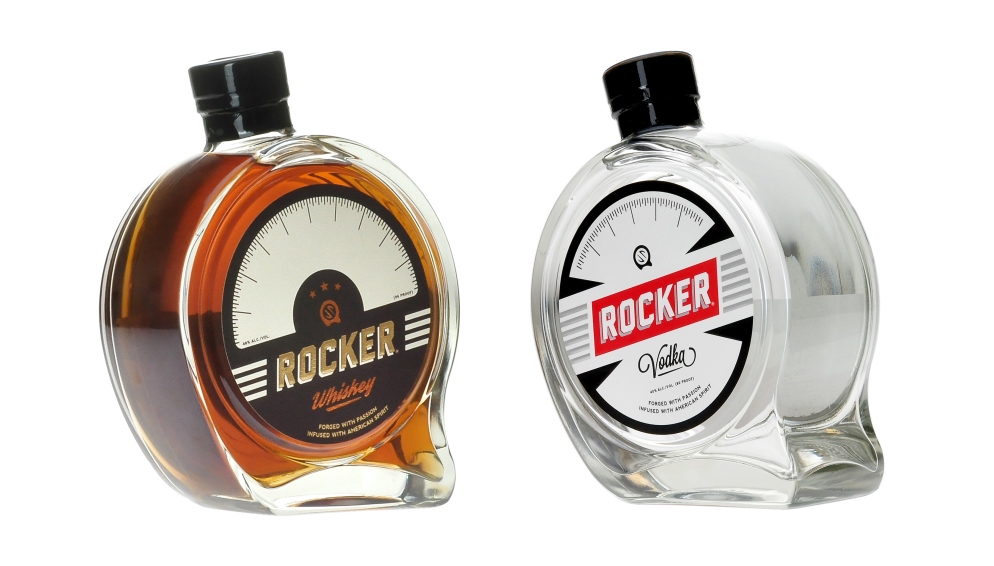 Rocker Spirits
Manufacturer: O-I, Owens-Illinois
Designer: Douglas Laib, Innovation and Product Design Group
User: Rocker Spirits, Littleton, Colorado (Image: O-I)
Packaging as a carrier of the brand message
With premium spirits, for example, care is taken to minimise the Value of the brand by using packaging with special details in terms of shape, colour, embossing or engraving. Rocker Spirits, a micro-distillery based in Littleton, Colorado, brought such a brand vision to the world's largest glass container manufacturer, O-I, Owens-Illinois, Inc. O-I is a preferred partner of many of the world's leading food and beverage brands. A bottle was developed that can swing. The design is based on a vintage oil can from the 1930s with a Tilting mechanism, who has the Pouring made easier.
„Rocker Spirits asked us to develop an iconic bottle, and we asked ourselves: How can we translate the oil can into glass?“ says Douglas Laib, Innovation and Product Design Group Leader at O-I North America. „For us, however, solutions must also always have a story behind them. Added value for both consumers and brands that want to stand out from the competition,“ explains Steffi Lenz, Innovation Project Manager at O-I.
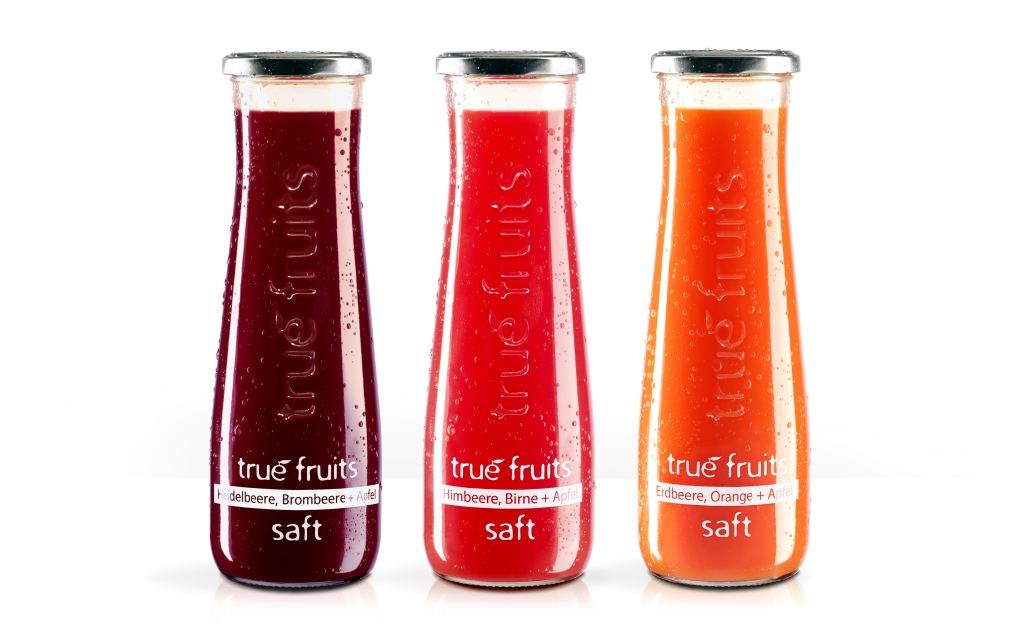 true fruits, DVP 2014 / Submitter: true fruits GmbH
Designer/developer: Lars Lange (O-I GLASSPACK GmbH & Co. KG)/true fruits GmbH
Manufacturer: O-I GLASSPACK GmbH & Co. KG
User: true fruits GmbH (Image: dvi)
This claim was also realised by the O-I subsidiary GLASSPACK GmbH & Co. KG and the Bonn-based fruit processing company true fruits GmbH also realised this claim. The true fruits concept is: 100 % fruit - no tricks, no concentrates, no added sugar and no colourings. The promise is transferred to the packaging. The Simple design in the form of a Glass carafe, provided with a high-quality ceramic print, caught the eye of the jury of the 2014 German Packaging Competition and was honoured with the German Packaging Award (DVP). The large cap is easy to open and pouring into a glass is simple. The overall concept was thus implemented excellently.
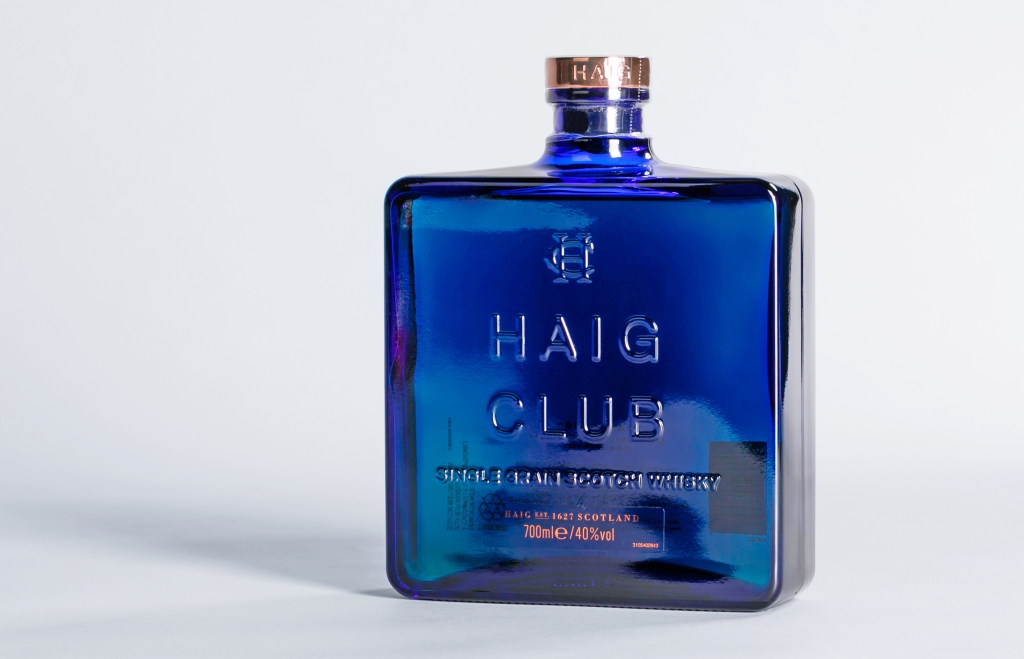 Haig Club, DVP 2015
Submitter/Manufacturer: Stölzle Glass Group (Image: dvi)
In 2015, Stölzle Glas Deutschland submitted a cobalt blue whisky decanter for the German Packaging Award and received an award. The sharp-edged and at the same time straight design of the packaging is very unusual in itself and breaks with the familiar category characteristics. The resulting attention and unique position can not only New target groups and open up, but also brings a modern look The product clearly stands out from the often traditional brand appearances and thus positions whisky drinking in the lifestyle. The jury was also struck by the high technical demands placed on production. The processing of blue glass poses a major challenge due to its special chemical composition, which was successfully mastered by the Stölzle Glass Group.
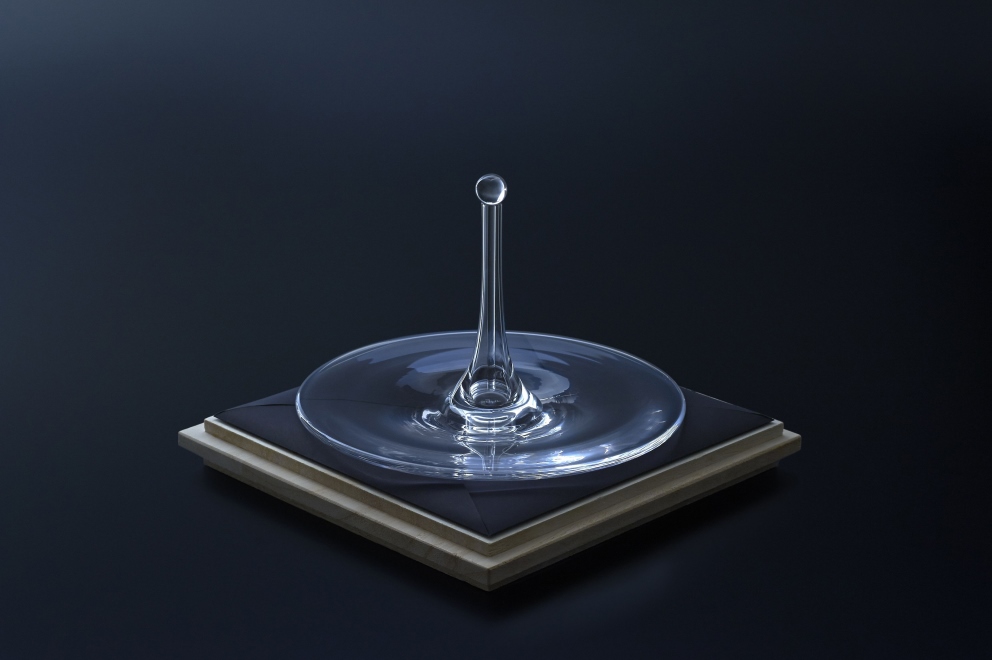 Curiosity Essence, Design iF 2016
Manufacturer/designer: Curiosity Tokyo, Japan (Image: ©iF Design)
The cosmetics industry also attaches great importance to glass packaging that minimises the Brand value to its best advantage. In 2016, the perfume manufacturer Curiosity from Tokyo received an iF Design Award for the glass bottle created for the perfume „Curiosity Essence“, which contains „the fragrance for eternity“. The bottle is characterised by Absolute simplicityThe designer has frozen a drop in the moment of movement and created it as the bottle's stopper. A lake of glass spreads out beneath it.