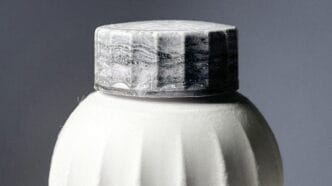
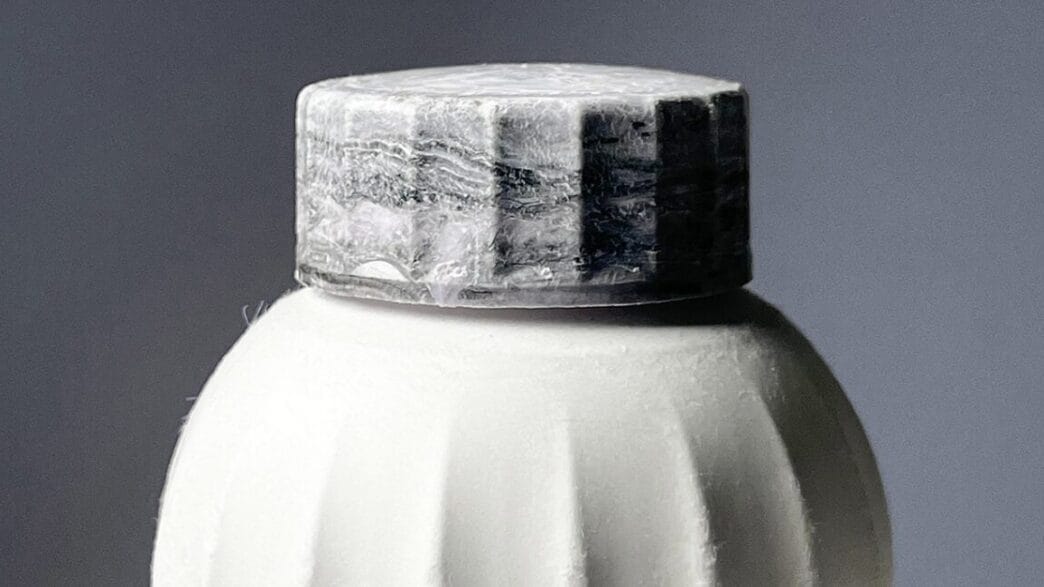
PulPac, known for its developments in Dry Moulded Fibre technology, has now developed fibre-based closures that offer plastic-like properties. The innovation will be presented for the first time at interpack 2026 and could make a significant contribution to reducing plastic in packaging.
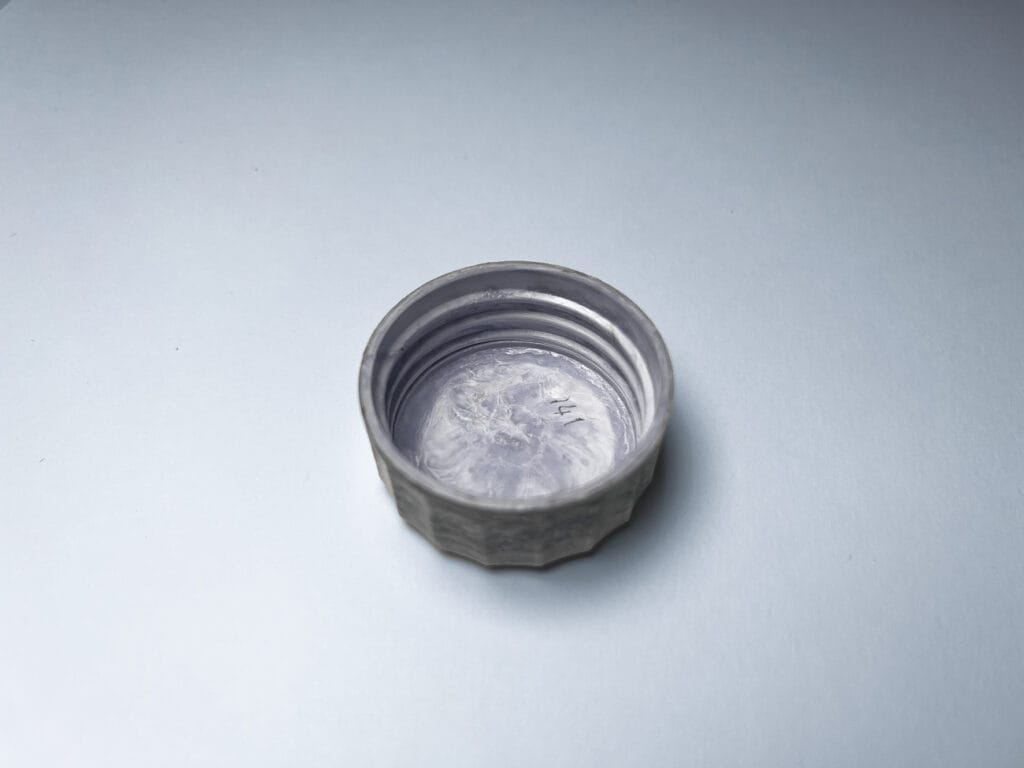
PulPac's new closures are another step in the development of fibre-based packaging solutions. The company aims to develop a fibre-based solution that meets both functional and aesthetic requirements. Initial tests show promising results regarding thread engagement, opening and closing functions, and sealing architectures.
The development of fibre-based closures is being carried out in collaboration with PA Consulting and in close coordination with industry players, including machine partner Optima. This cooperation is part of the Bottle Collective project, which focuses on the research and evaluation of complete fibre-based bottle systems. The initiative has attracted the interest of numerous global brands and packaging companies committed to improved material alignment and circularity in packaging systems.

Sustainability and consumer acceptance
Charlotte Walldal, Chief Technology Officer at PulPac, emphasises the importance of the new closures: „Our customers“ reactions show that the fibre-based closures are challenging expectations. The look, the sound, and the feel are unexpected and need to be experienced in person.” The closures not only offer an environmentally friendly alternative, but also the opportunity for flexible design, thus opening up new possibilities for function and brand presentation.
The presentation at interpack 2026 offers visitors the opportunity to explore both existing Dry Moulded Fibre solutions and future developments. PulPac and Optima will use this to showcase how tomorrow's packaging systems can be designed. The fibre-based closures could be a crucial factor in the transition to more sustainable packaging solutions, reducing reliance on plastic.
Source: PulPac
PulPac at interpack 2026: Hall 8b, Stand C53