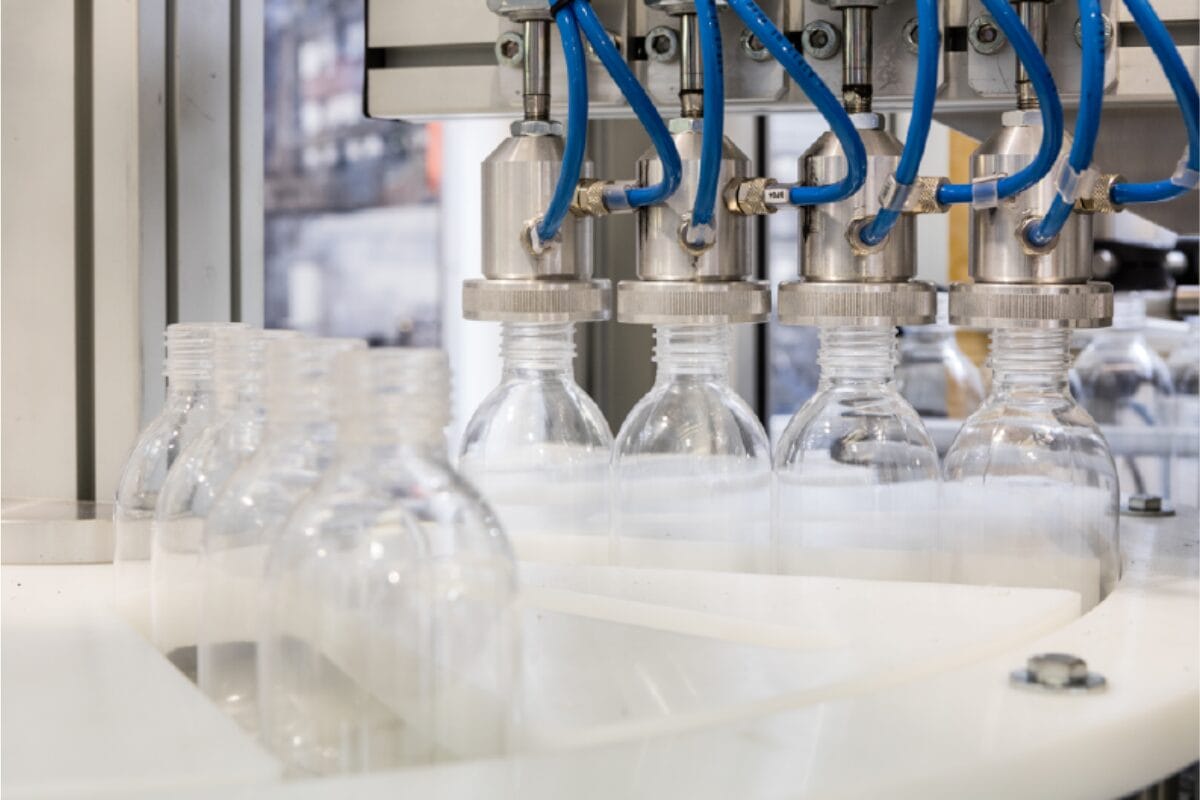
UPM Biochemicals, Selenis and Bormioli Pharma have joined forces to produce the world's first pharmaceutical bottle made partly from wood-based PET. The new bottle uses standard PET that contains a proportion of UPM's wood-based bio-monoethylene glycol (BioMEG).
The collaboration is based on the shared vision of pharmaceutical industry in the development of more sustainable packaging solutions, without compromising on product safety and performance. The new pharmaceutical bottles, which contain UPM's wood-based BioMEG, are partly made from Selenis Selcare's BioPET resins. They have recently been approved for use in accordance with the European Pharmacopoeia and will be will be available worldwide from Bormioli Pharma from the first quarter of 2025.
„Our collaboration demonstrates that renewable, wood-based biochemicals can deliver the same high quality as fossil-based virgin materials, with significant environmental benefits. Bormioli Pharma's containers offer a relevant solution for a market with limited and tightly controlled options to accelerate the sustainable transformation. They are also tangible proof that scalable solutions are available on the market.“
Michael Duetsch, Vice President of Biochemicals at UPM
The partnership focuses on introducing renewable, bio-based materials into existing plastic applications to reduce dependence on fossil resources. Partial BioPET, which includes UPM's BioMEG, is made from sustainable materials and offers a significantly lower carbon footprint while minimising the use of fossil fuels. fulfils the same quality requirements as conventional fossil PET. It can be processed and recycled in existing processes without any technical adjustments.

UPM builds at Leuna chemical site the world's first industrial-scale biorefinery that converts wood biomass into high-quality biochemicals, The hardwood is sourced from sustainably managed beech forests in the region around Leuna, Germany.
Bormioli's decision in favour of Selenis' partial BioPET for the bottles not only advances its ambitious goal of bringing more sustainable pharmaceutical packaging to the market. It also emphasises the Feasibility of utilising regional plant resources, to replace fossil raw materials for packaging.
Source: UPM