With a flat PET wine bottle, the British company Packamama is focussing on an innovative packaging concept that is designed to save resources and reduce CO₂ emissions. The solution is gaining international attention - also due to regulatory pressure on manufacturers.
Wine in a flat bottle - what sounds unusual at first is part of a growing movement towards alternative packaging solutions. Packamama, a UK-based company, wants to provide an environmentally friendly answer to the challenges facing the wine industry with a flat bottle made from recycled PET - and has made considerable progress in recent years.
According to the company, the bottle is made entirely from recycled PET (rPET) and can be stored and transported in a space-saving manner. Due to its shape, more units fit on a pallet than with conventional glass bottles - up to 91 % more, according to the manufacturer. This not only saves space, but also reduces CO₂ emissions in the logistics process.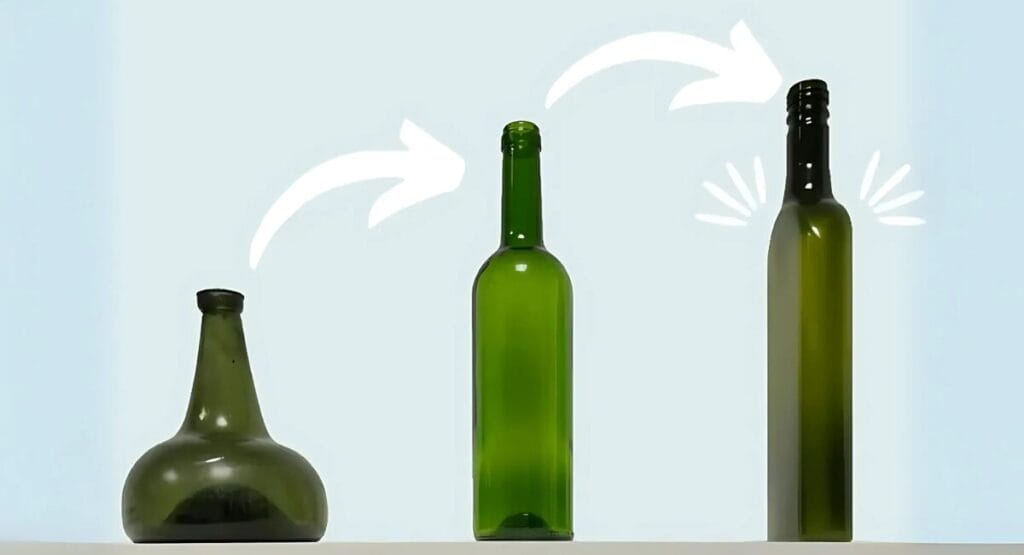

From the idea to the market-ready product
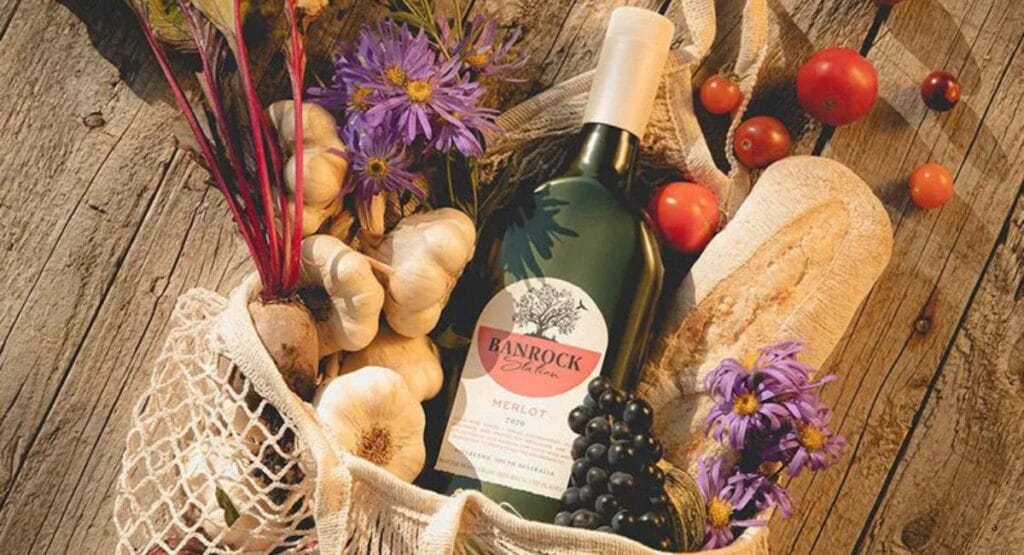
Originally developed as a solution for e-commerce, the flat bottle is now used in several international markets. In the UK, for example, with brands such as Accolade Wines and Banrock Station, in Australia with the Coles supermarket chain, and in France with Les Vins Georges Dubœuf. Manufacturing is carried out by production partners, including in France and Australia.
In addition to the practical advantage of transport, Packamama particularly emphasises the recycling aspect. The bottle is made from 100 % recycled material and is in turn fully recyclable - an argument that is also becoming increasingly important from a regulatory perspective.
Regulatory pressure from EPR systems
In the UK, as in Germany, EPR regulations apply - i.e. the principles of extended producer responsibility. They oblige producers to contribute to the costs of taking back and disposing of their packaging. The aim is to take into account the entire life cycle of a product and incentivise more recyclable materials.
While manufacturers in Germany are obliged to register and recycle their packaging via dual systems in accordance with the Packaging Act, there are additional financial incentives and penalties in the UK, for example for packaging with a low recycled content. Packamama sees itself at an advantage here with its rPET bottle - a sales argument for retailers in particular.
Criticism and perspectives
The Packamama bottle still faces hurdles: The wine industry is conservative and glass has been a tradition for centuries. There are also reservations when it comes to brand image and consumer expectations. Nevertheless, the company sees potential for change - supported by the ongoing pressure for decarbonisation and a change in perception among younger target groups.
Founder Santiago Navarro emphasises in an interview with the British trade magazine The Buyer, It's not about cosmetic changes, but about systemic solutions: „We want to help stop climate collapse - before it happens.“
Availability and outlook
So far, the bottle is mainly represented on the British and Australian markets. According to the company, talks with German and European partners are currently underway, but there are currently no concrete plans for implementation in Germany. Should the concept also become established in this country, new issues could arise for manufacturers and bottlers in terms of line compatibility, material changeover and consumer communication.
Photos: The Wine Society, Packamama