
After the new Packaging Ordinance comes the next tightening of the rules. This time it's about green claims: In future, advertising promises regarding the sustainability of a product will have to be substantiated. Although the Commission's proposals still have to go through the EU Parliament, the packaging industry should nevertheless adapt quickly.
The new catalogue of measures will regulate statements on the ecological properties of products. „A proliferation has developed here in recent years„, says Malte Biss, founder of the independent organisation flustix, which certifies plastics, plastic recyclates and plastic-free materials. Terms such as „environmentally friendly“, „eco-friendly“, „nature-friendly“, „ecological“ and „environmentally friendly“ now adorn the packaging of soaps, shampoos, cleaning products, paper towels, textiles and other products from almost all industries. The campaigns do not stop at food either.
A study commissioned by the EU Commission analysed 150 examples of such environmental claims. The results, which were published in the first quarter of 2022, were sobering: 53.3 per cent of the claims contained vague, misleading or unfounded information about the environmental characteristics of the products declared as sustainable.
Which statements may appear on the packaging in future?
flustix founder Malte Biss openly describes the majority of common practices as greenwashing and categorises the Commission's proposals positively: „In future, companies will only be allowed to make environmental claims if they contain clear, objective and verifiable obligations and targets and have an independent monitoring system.“ Sustainability seals without recognised certification would be banned. Environmental claims that only refer to the packaging and not to the entire product will no longer be possible without clear labelling. „The new rules provide security for consumers and reassure reputable companies in their current and future endeavours,“ Biss sums up.
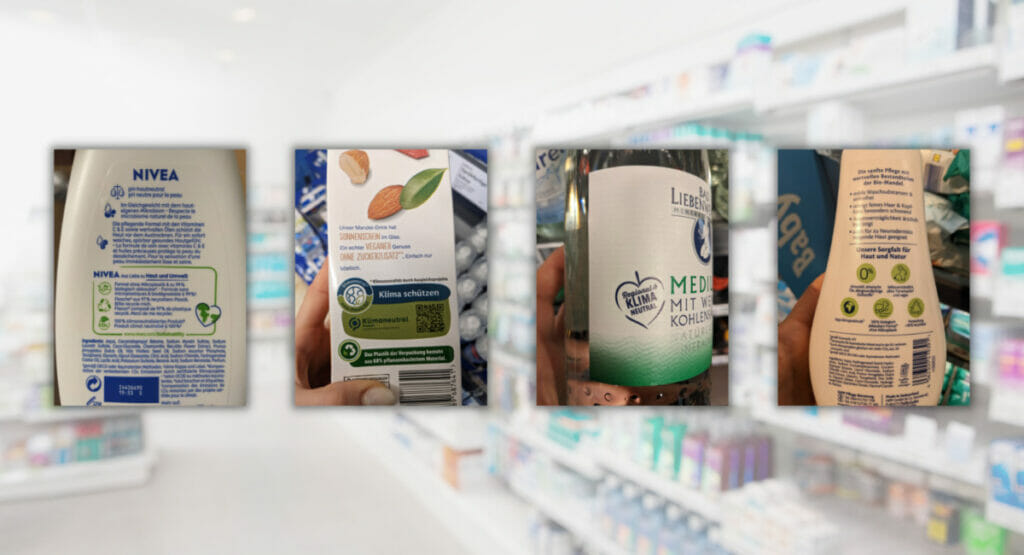
According to Malte Biss, promises such as „climate-positive“ or „plastic-positive“ should also be scrutinised, and now in many cases even the claim „climate-neutral“, i.e. anything that does not appear to be verifiable. In addition, there are also advertising promises in the guise of labels: Self-created labels are used, which are associated with seals in terms of design, but are not seals without certification. How can you keep track of everything? Consumers want reliability and security.
Which advertising promises will still be permitted in future?
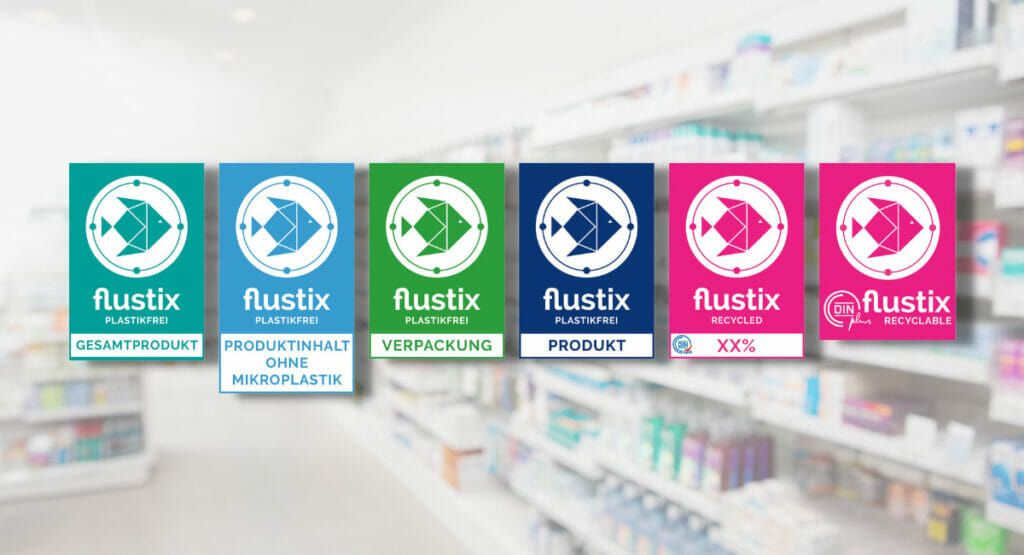
This is where Biss„ organisation flustix comes into play alongside the classics (such as the “Blue Angel„, the “EU ECO Label‘ or the FSC and PFSC certifications, for example). The Berliners have set up a completely independent system with accredited partnersThese include DIN CERTCO (TÜV Rheinland), organisations such as the Paper Technology Foundation and the testing laboratories of the Wessling Group. flustix accompanies its licensees through the entire certification process. „The flustix seals offer the greatest possible safety for consumers as well as for manufacturing companies and distributors, whether it's plastic-free, recyclability or the use of recycled materials,“ says founder Malte Biss.
„At the end of January, another updated and, above all, more detailed draft was published, which is to be decided on in Brussels at the end of March. The EU wants the issue to be implemented and applied by 2023. ‚Severe penalties‘ have already been announced for violations,“ emphasises the expert. This would mean that the amendments to EU Directives 2005/29/EC and 2011/83/EU (as they are specifically known) would be implemented. this year, or at the latest at the beginning of 2024 come into force.
As this is a directive, the member states are then obliged to implement the individual points at national level. In Germany, the law against unfair competition (UWG) provides the framework for this. This already allows legal action against misleading advertising, but does not contain any details on the subject of greenwashing and green claims.
Increasing trend in courts
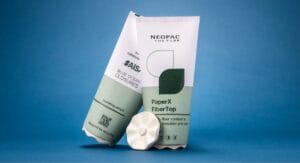
However, the industry is already feeling the impending changes: Warning organisations, NGOs and the media are currently focusing on the topic of greenwashing. Anyone who uses an exaggerated or misleading slogan runs the risk of being taken to court by the competition or an environmental protection organisation. In May 2022, for example, the German environmental organisation Deutsche Umwelthilfe (DUH) took legal action against the drugstore chain dm: The environmentalists were targeting a washing-up liquid in a green tubular bag with the slogan: „Environmentally neutral product“. The DUH claims that there is no evidence of so-called „environmental neutrality“ on the part of the manufacturer. The proceedings are still ongoing and the allegations are still pending. In addition to dm, the DUH also focussed on its direct competitor Rossmann, Nivea manufacturer Beiersdorf and the oil companies Shell, BP and Total. Rossmann only announced on 27 January that it would no longer use the claim „climate neutral“ in future. The head of the drugstore chain, Raoul Roßmann, told the „ZEIT“ newspaper, among other things: „Which customer still perceives this as added value?“
A company called „Green Airlines“, which sold so-called climate-friendly air travel, was also targeted. The organiser can no longer be found online.
A representative survey conducted by auditing firm PwC in December 2022 revealed that six out of ten consumers always or often take environmental and social aspects into account when making purchasing decisions. Among the under-35s, sustainability aspects are even a purchasing decision factor for two thirds. The respondents also mentioned packaging among the criteria. According to the survey, consumers also agree on how companies can give their green slogans more credibility: Two thirds of respondents want recognised seals and independently audited certifications.
Further news from the field of green packaging


Italy shows organic expertise

Sustainable action plan for beverage packaging

Sustainable packaging in the spotlight at BIOFACH

Nextpack replaces polystyrene with honeycomb cardboard