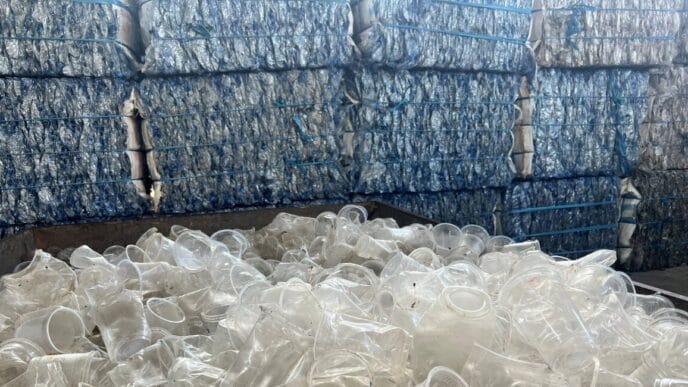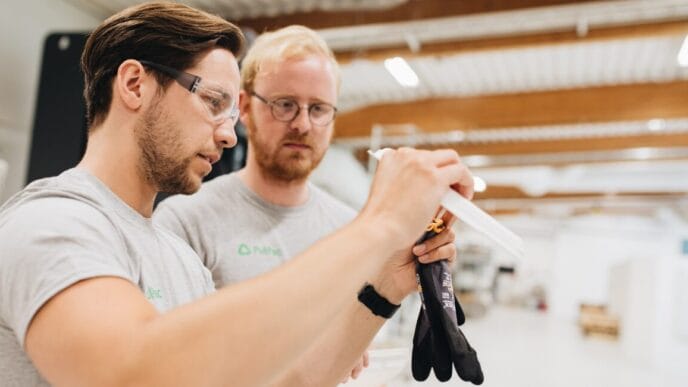
At the K trade fair in Düsseldorf, the Fraunhofer IVV will be demonstrating how plastics can be successfully recovered from complex plastic mixtures. Using a solvent-based process, waste fractions that cannot be recycled using conventional state-of-the-art recycling processes are made available for a circular economy.
The solvent-based recycling process is versatile. Compared to mechanical separation processes, it offers the advantage that the target polymer can be selectively dissolved and recovered in high purity. Foreign polymers and other solids remain undissolved and are effectively separated. Dissolved impurities such as flame retardants, plasticisers, degradation products and odours are separated by specific solvents, resulting in a high-purity recycled plastic. Solvent-based recycling is a physical process and an effective alternative to chemical recycling. This is because the polymers do not degrade and polymerisation from chemically recycled raw materials is not necessary.
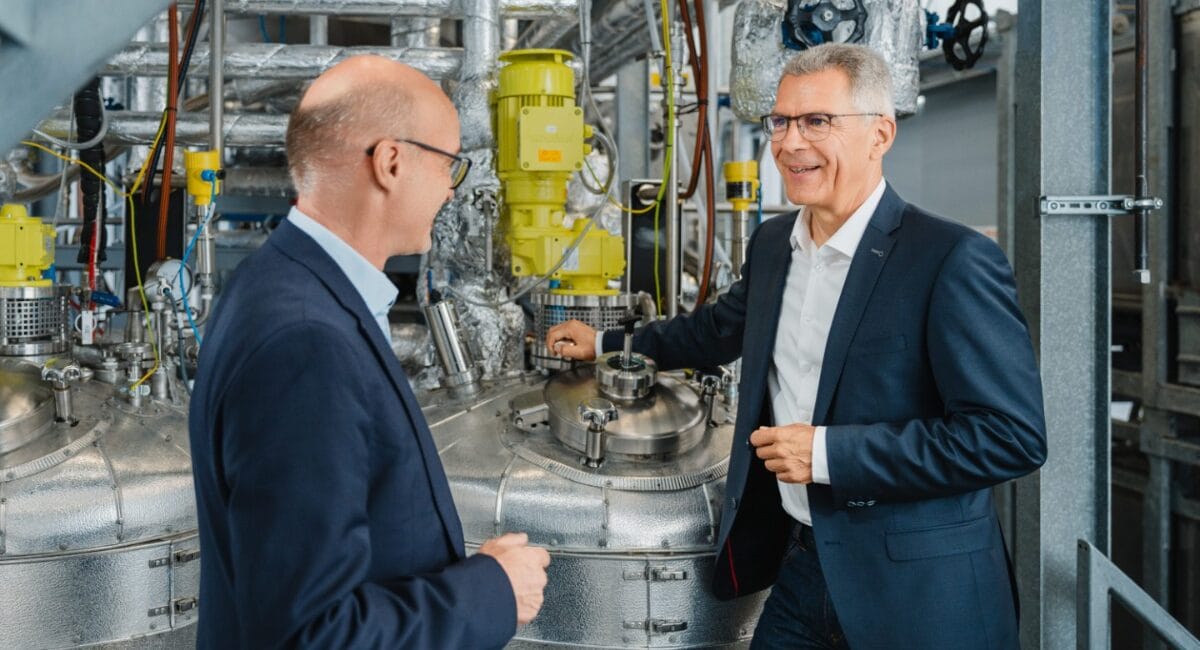
A large-scale technical centre is available at the Fraunhofer IVV to scale up solvent-based recycling to an industrial scale and to produce quantities of recyclate for industrial application tests. The Fraunhofer IVV is looking for partners to transfer the process to industrial plants.

High-purity recyclates for recyclable packaging - appealing in colour and free of harmful substances
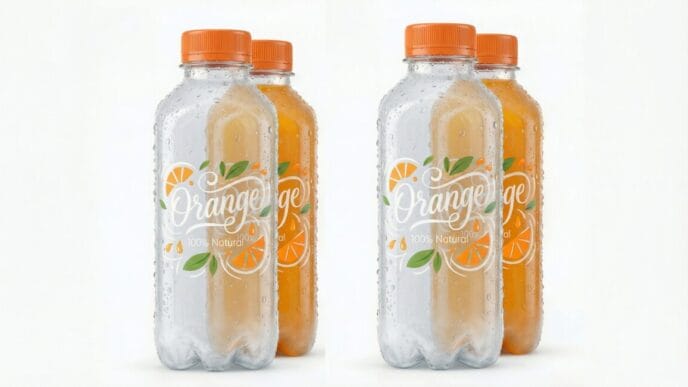
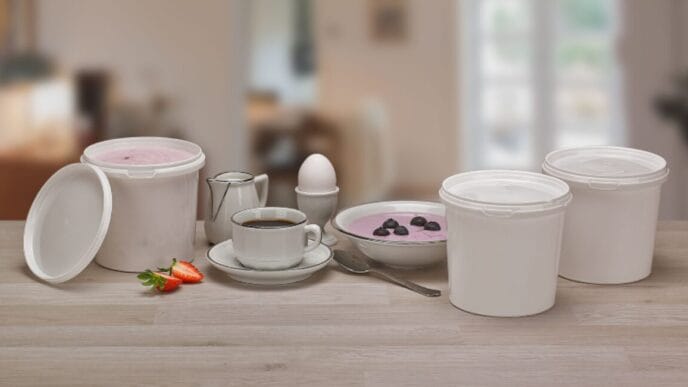
With the solvent-based recycling process, companies from various industries can fulfil the ambitious Achieve the objectives of the new EU Packaging Regulation (PPWR). The process can be used for a wide range of applications and is suitable for both flexible and dimensionally stable packaging. Taking food safety into account, it fulfils the special requirements for cleaning efficiency.
The process enables plastics to be recycled from flexible packaging waste and the recyclates to be used in the production of new packaging for sensitive products. The integration of the recovered recyclates in flexible mono-material packaging for foodstuffs has already been successfully implemented by the Fraunhofer IVV on a technical scale and a recyclate content of up to 30 % has been realised in the developed packaging structure. In the sensitive personal & health care packaging sector, these recyclates have been used up to a proportion of 62 %. In the general non-food sector, up to 100 % recycled content successfully utilised.
„With our solvent-based recycling process, we also recover valuable plastic resources from composite materials or materials contaminated with harmful substances so that they can be returned to the cycle.“
Dr Andreas Mäurer, Head of Process Development Polymer Recycling at the Fraunhofer IVV
Plastics from old electrical appliances, which cannot be recycled today, as the plastic content in electronic waste contains many different types of plastic and additional hazardous substances such as flame retardants, are recovered by the scientists free of harmful substances. Also foamed polystyrene from construction waste, contaminated with the flame retardant HBCD can be reprocessed as flame retardant-free polystyrene recyclate using solvent-based recycling.
Source: Fraunhofer IVV
Fraunhofer IVV at K 2025: at the stand of the Fraunhofer Cluster Circular Plastics Economy CCPE in hall 7.0, stand 70SC05