At the end of April, the IK Industrievereinigung Kunststoffverpackungen asked its member companies for a status report on the effects of the coronavirus crisis in a survey. The responses from over 120 mostly medium-sized companies show how differently the manufacturers of plastic packaging have been affected.
While manufacturers of system-relevant packaging for food, pharmaceutical and medical products are reaching their capacity limits in some cases, suppliers to the automotive industry in particular are facing a considerable slump in demand.
Across all segments, 37 per cent of companies stated that they had fewer orders overall compared to March. A quarter of all companies even reported declines of more than 20 per cent. In contrast, a good half of companies reported an increase in orders in April, albeit predominantly in the range of 10 to 20 per cent.

„The situation report of the plastic packaging manufacturers in Germany shows that, how differently the crisis is affecting the industry. While manufacturers of food packaging in particular are working flat out to secure supplies for the population, demand for packaging in the industrial and catering sectors has fallen, in some cases dramatically.“
Dr Martin EngelmannManaging Director of the IK
For the positive findings However, according to the interviewees a snapshot: More than half of respondents already expect a certain (40%) to strong (16%) decline in demand in April. „After the hamster purchases experienced in many places in mid-March, fewer people are now stocking up on food and everyday necessities again. However, demand for hygiene and cleaning products remains high,“ explains Engelmann.
Complex picture: staff shortages and short-time working
According to the survey, just under 80 per cent of companies are able to fulfil the orders they receive, however around half of those surveyed reported corona-related restrictions. First and foremost is the Staff shortage. This is where the main differences between consumer and industrial packaging manufacturers can be seen: just under 40 per cent of companies reported a shortage of staff, while just under 25 per cent had to introduce short-time working.
„As bitter as the introduction of short-time work is in individual cases, a comparison with other sectors of the plastics processing industry shows that packaging is less severely affected overall,“ explains Engelmann.
Engelmann considers it surprisingly positive that More than a quarter of respondents did not experience a single corona-related staff shortage have recorded. „Overall, the number of employees who are ill, in quarantine or unable to come to work due to childcare is comparatively low internationally,“ he explains. Good A third of those surveyed reported default rates of less than five per cent, while just under a quarter reported default rates of up to ten per cent. „What unites all plastic packaging manufacturers is the high level of commitment and team spirit within the workforce,“ says Engelmann, summarising the feedback from the members and pointing in particular to the commitment of many companies in the fight against the virus.
Plastics experts get involved in the fight against corona
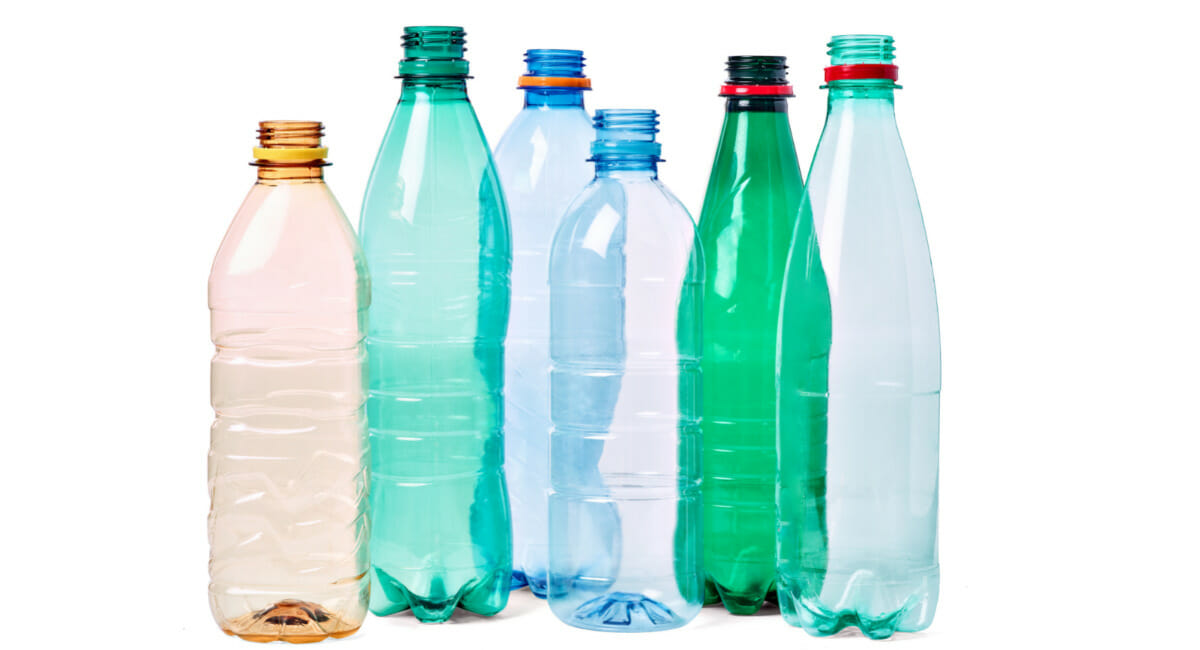
In fact, many IK member companies report how, outside of normal business operations contribute to the fight against the pandemic. The focus is on Plastic products such as bottles and bags for disinfectants, respiratory masks, protective films and visors. However, the industry is also realising that consumer perceptions of plastic packaging have changed during the crisis. „The The function of packaging, i.e. the hygiene and protection of the product, is being recognised more strongly again. We hope that this will contribute to a more objective discussion about plastic packaging in the future,“ says Engelmann.
Source: IK Industrievereinigung Kunststoffverpackungen