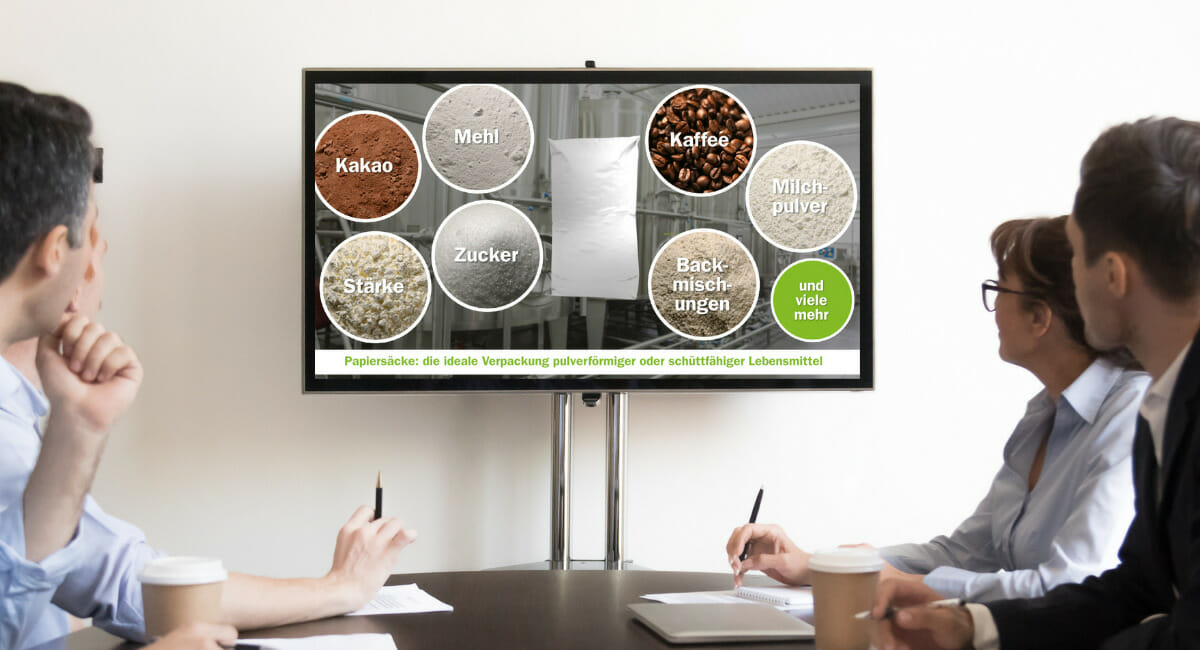
Whether flour, milk powder, coffee or cocoa - the paper sack offers good product and hygiene protection for powdered and pourable foods. The Gemeinschaft Papiersackindustrie e.V. (GemPSI) now explains why this is the case and what measures paper sack manufacturers take to ensure this in two explanatory videos.
"Product protection is the top priority when it comes to food packaging," says GemPSI-member Norbert Feldmann. "If food is contaminated by external factors such as foreign bodies or environmental influences, the consequences can be devastating. With our video series, we want to show the processes and complex safety precautions we use to ensure the safety of our customers. Protection of packaged food from material selection to production and use in practice."
Highest hygiene level in production
Part 1 of the video series "Hygiene and product protection" explains all Steps that play a role in the production of paper bags. This starts with the selection of all the materials used in the paper sack. Fresh fibre paper minimises the risk of mineral oil residues or microbiological germs getting into the food. In addition, only natural water-based colourants and starch-based adhesives and dispersion adhesives are used, e.g. for bonding barrier layers. Constructive elements such as barrier films or special valves provide additional protection against external influences and ensure that the paper bag is absolutely leak-proof and dust-free.

In addition to the selection of materials, German paper sack manufacturers practice the following along the entire supply chain Comprehensive hygiene management. This includes various internal and external test procedures, audits and certifications as well as numerous safety precautions based on a risk analysis. Strict health and hygiene regulations are taken into account as well as special customer requirements.
Paper bag offers safety in practice
The second animated video deals with security in the further life cycle of the paper sack "Safety in practice" one. Paper bags make it possible to document the entire production process and the processed materials using batch numbers. Maximum transparency and seamless traceability. Safe transport is also ensured thanks to space-saving palletisation and storage, while easy opening and reclosing guarantees simple and safe handling for end users. Last but not least, a decision in favour of the paper sack is also a decision in favour of sustainable packaging. The paper used is made from sustainable and naturally degradable resources.
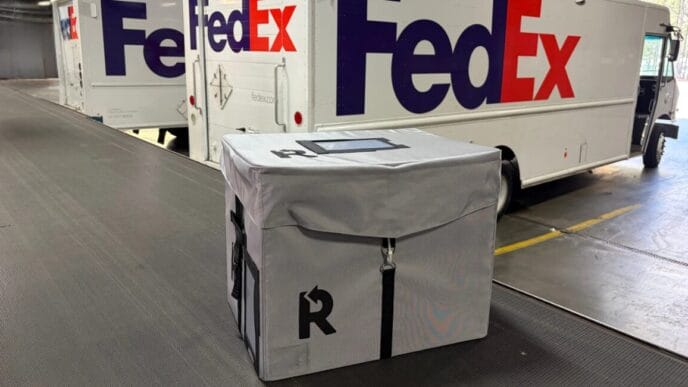
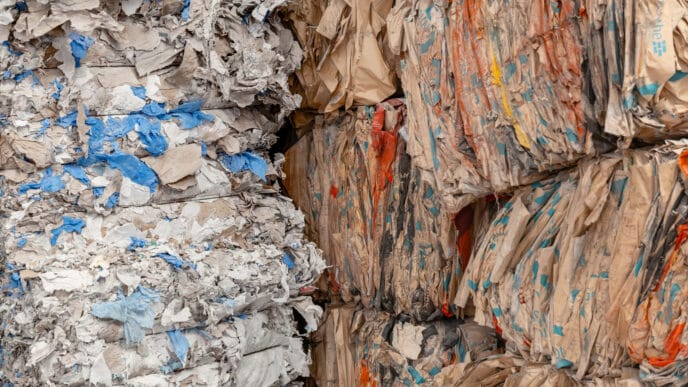
In addition, the recycling system Repa bag contribute to a functioning circular economy. Customers and end users also appreciate the benefits of paper sacks as packaging for food. Some of them have their say in the video. Alexander Anton, Secretary General of Euromilk: "The paper sack stands for optimum product protection up to the maximum storage period and for flexible handling."
Both films can be viewed on the GemPSI Website as well as on the video platform YouTube.
Source: GemPSI