A new report by the British sustainability consultancy GoUnpackaged analyses the potential of a large-scale reusable system in the UK's food retail sector based on data. The results showed that a 30 per cent reuse rate is achievable - and could lead to significant savings in CO₂, packaging waste and system costs.
Switching to reusable packaging in the UK food retail sector could not only bring significant environmental benefits, but also be economically attractive. This is shown by the study „A 30%+ Reuse Future for the UK“ by GoUnpackaged, supported by WRAP, Tesco, DEFRA and WWF, among others. The analysis is based on the in-house tool „UnpackAnalytics“ and compares seven different scenarios - including public returns at retailers, online collection, municipal collection and in-store reuse.
Accordingly, the conversion of 18 prioritised product categories - e.g. milk, cleaning agents, coffee, ready meals - to standardised reusable packaging could be sufficient, to achieve a nationwide reuse rate of 30 per cent. In the best-case scenario, this would save over 860,000 tonnes of CO₂ and around 340,000 tonnes of packaging waste per year.

The scenarios with take-back through online retail logistics or municipal collection are particularly economical, which should enable a cost reduction of up to 29 per cent compared to single-use models. The annual investment in the necessary infrastructure (sorting, washing lines, logistics) would amount to around £149 million - which, according to the modelling, would be significantly less than the savings expected from future packaging levies.
In addition, according to the ReLondon modelling approach, over 13,000 new jobs could be created. The authors therefore call on the British government to set clear reuse targets and regulatory guidelines to facilitate investment. At the same time, the industry must contribute to the transformation through coordinated action and standardised packaging formats.
Refill, Kerbside & Co.: variants with different levels of citizen participation
The report also shows that in-store return systems (citizen return) are comparatively expensive and difficult to scale, partly due to the limited space available and the logistical effort involved in bricks-and-mortar retail. According to the study, models that utilise existing infrastructures - such as take-back via municipal collection systems or delivery services - are particularly effective instead.
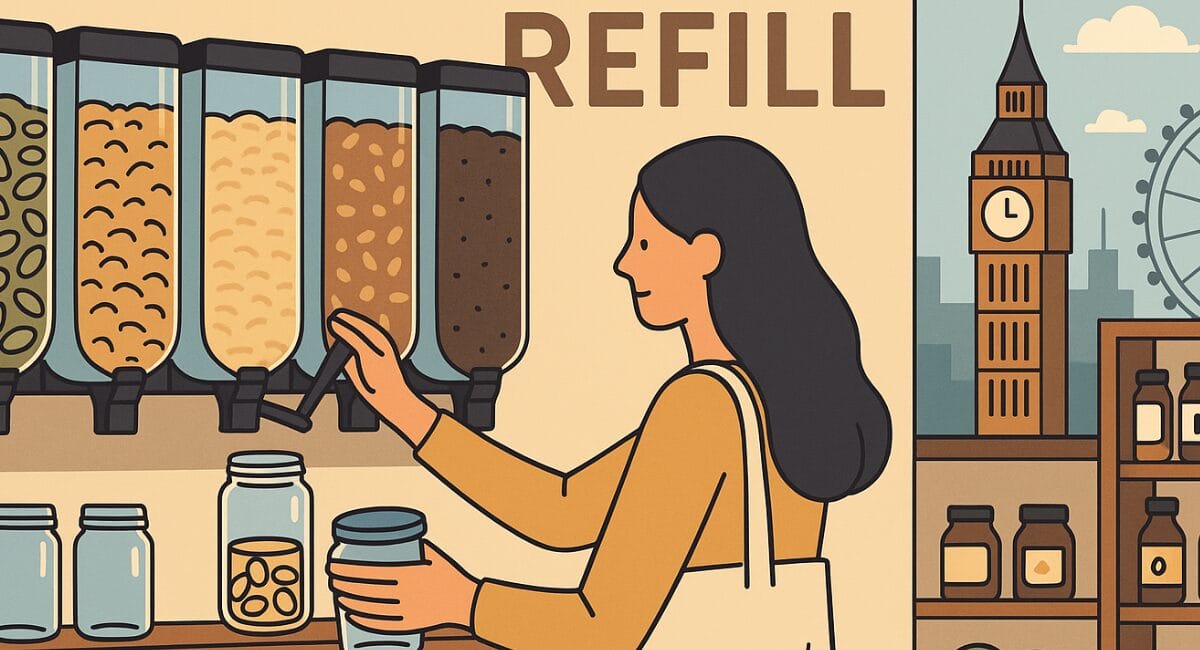
In-store refill systems, where customers bring their own containers, offer the highest savings potential in individual categories such as rice or nuts - but are heavily dependent on consumer behaviour, it is said.
Clear recommendation: transformation strategy flanked by legislation
The authors believe that the goal of a 30 per cent reusable packaging quota by 2035 is realistic, provided that politicians and businesses act in a coordinated manner. The proposed financing suggestions - such as an earmarked increase in the packaging levy or state-supported reuse investment funds - could help to drive the reorganisation without overburdening individual players, they say.
Source: GoUnpackaged