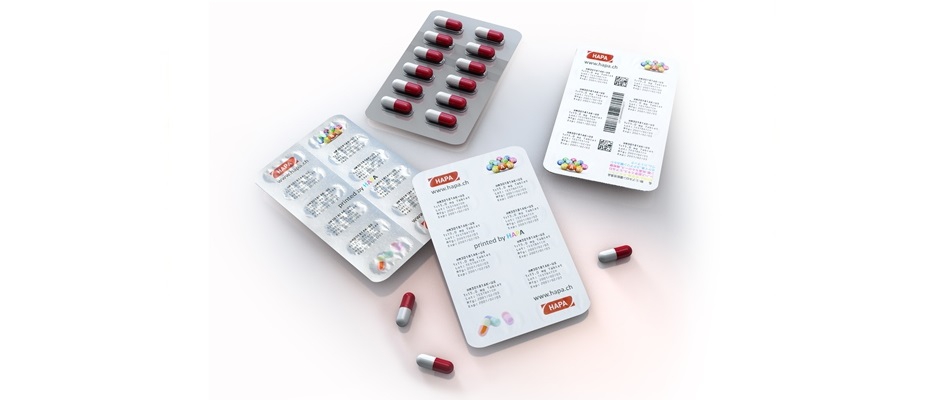
Hapa is constantly developing ground-breaking innovations in packaging printing for the pharmaceutical industry. System solutions from the Swiss specialists are the result of practical expertise and are closely geared to the needs of customers. The innovative printing solutions can be integrated into all packaging processes.
The developers work closely with customers all over the world to create solutions that are based on Individual needs and requirements are customised. Printing solutions from Hapa can also be Integrate into existing infrastructures. Smooth management and flexible, reliable support accompany every project - from design to integration and throughout the entire service life of the system. Additional services are offered by the in-house Hapa Ink department, which develops and produces customised inks according to customer requirements, even in small quantities.
Pioneering digital printing innovations
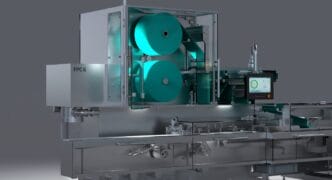
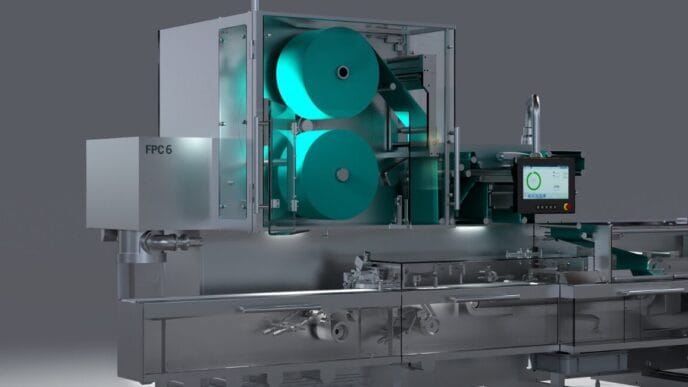
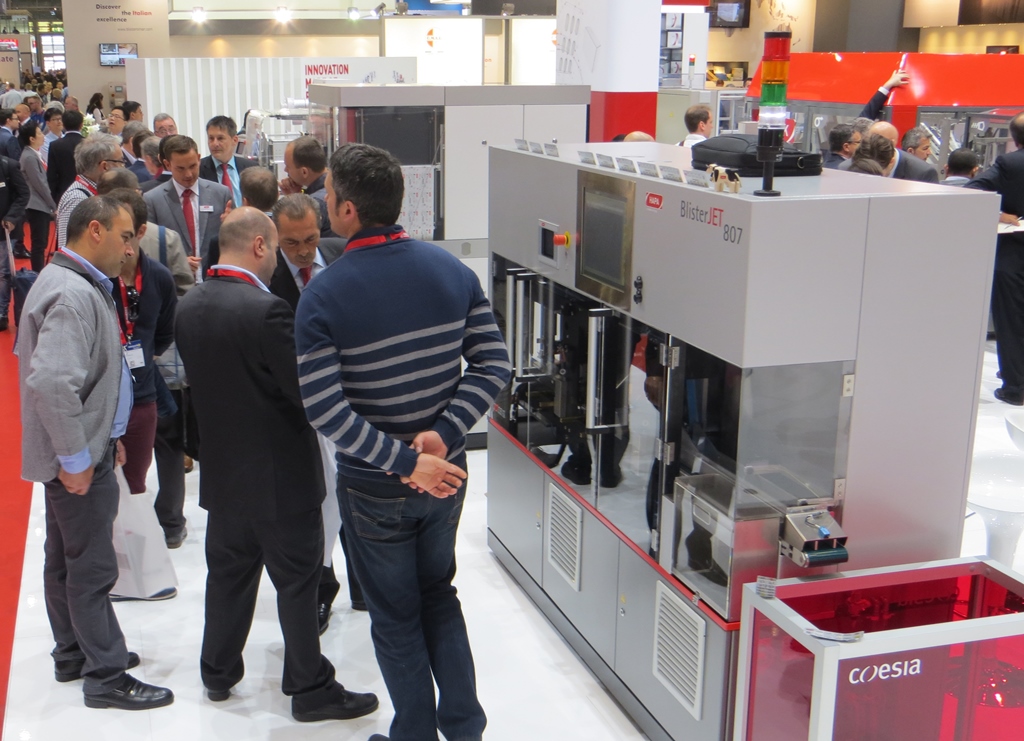
For more than 15 years, Hapa has been working with the Digital printing technology apart. This extensive experience is constantly being channelled into new developments, which is in line with the trend towards digital printing. The developments presented to trade visitors this year include the Web 4.0, an Industry 4.0-capable, modular digital printing system for roll materials, and the fully digital BlisterJet CMYK, which prints in four colours on blisters. In the Late-stage customisation process a single system can supply several packaging lines with ready-printed blisters.

We wanted to know whether the new solutions are already in use in the Practice are used and where, for example, the Advantages for users lie. Information is provided by Stephan Wengi, Head of Sales Healthcare. The industry expert with a background in mechanical engineering has been working for Hapa for more than 15 years and represents the company with customers worldwide.

pj: Mr Wengi, the recent highlights were Web 4.0, BlisterJet CMYK and „redcube plus“. How do you rate the market's response to these innovations?
Stephan Wengi: The reactions to the Web 4.0, our latest development, were already very well received at the presentation of the proof-of-concept. positive. At the premiere of the market-ready two-colour system at interpack the response was overwhelming. Customers and interested parties appreciate that the Industry 4.0 concept has been taken into account, as many companies are facing the challenge of integrating the „Internet of Things“ into their workflow. In this context, the user-friendly HMI, whose user interface can be customised, i.e. adapted to the needs of the user, is also impressive. The compact design and modular concept of Web 4.0 are also very popular.
The BlisterJet CMYK is particularly well received in the late-stage customisation sector when it comes to this, Sealed blister in full-colour print with graphics and text colour. Our customers see the clear advantage in being able to print all colour variants in CMYK mode. The medical sector in particular has to work with a wide variety of spot colours due to regulations such as colour codes. The BlisterJet CMYK can simulate these in four-colour mode, so that the Reduce purchasing and storage to just four colours. The system has already been used several times worldwide within a very short time of its launch.
pj: How do the developments differ from their predecessors?
Stephan Wengi: The difference to the previous models is, on the one hand, that the new systems State-of-the-art components and technologies included. On the other hand, the experience of our engineers and technicians as well as feedback and input from customers have been incorporated into the development, particularly with regard to Industry 4.0, operability, ergonomics and improved machine availability for less unplanned downtime in production.
pj: For whom are the new solutions particularly interesting?
Stephan Wengi: Our solutions for the Pharmaceutical and medical sector interesting. But also in the FMCG sector our „redcube plus“ digital printing module is used in particular as the integrated centrepiece of packaging printing lines. The same applies to all industries: constantly changing regulations and requirements as well as varying batch sizes and design changes must be taken into account. reacts flexibly needs to be printed. This flexibility is possible with our digital printing solutions. The ongoing trend towards Lean production and Late-stage customisation is prompting companies to use our solutions.
pj: What are the advantages for users?
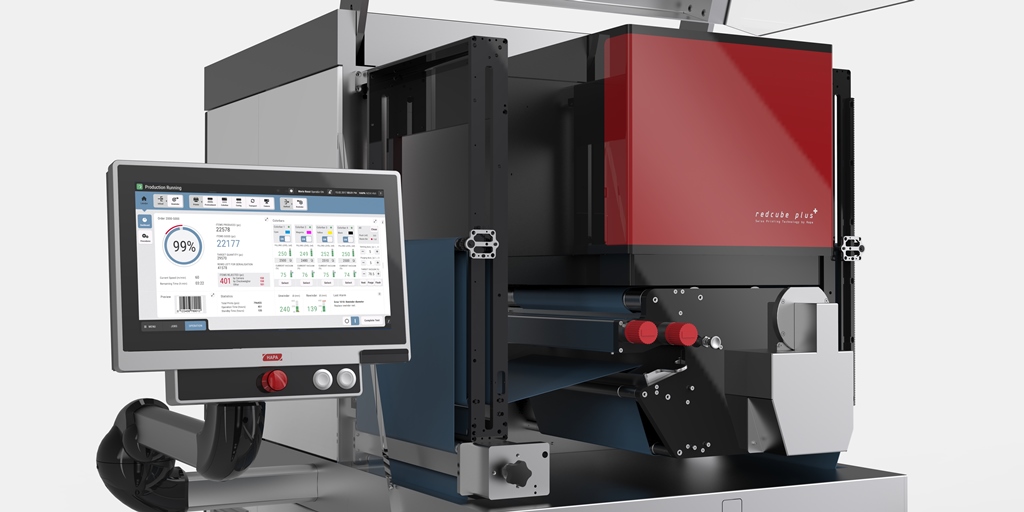
Stephan Wengi: Web 4.0 users benefit from its Industry 4.0 capability. The system fits seamlessly into the digital workflow in. Another advantage is the Modularity, which enables customers to adapt the Web 4.0 to new production conditions at a later date. Thanks to the integrated „redcube plus“ print module, for example, it can be upgraded from one colour to up to six spot colours or CMYK plus white.
All systems can be easily integrated into Integrate existing packaging lines or also in individual operation can run. The use of in-house inks produced by Hapa Ink is also customised. The inks are not only developed individually for the customer's specific application and substrate, they are also customised in Small quantities manufactured. The advantage of this is that customers can order exactly the small quantity required for clinical trials or product launches and thus avoid expensive surpluses.