There is still a lot of potential for development in the use of social plastic. Prof. Dr Thomas Müller-Kirschbaum, Deputy Chairman of Henkel's Sustainability Council, emphasises this in an interview with packaging journal. The Düsseldorf-based consumer goods company has just extended its cooperation with Plastic Bank.
pj: Prof Dr Müller Kirschbaum, Henkel has been one of Plastic Bank's pioneering cooperation partners since 2017. What is your motivation behind this?
Prof Dr Thomas Müller-Kirschbaum: That's right, we were the first global consumer goods company to work with Plastic Bank together. We were immediately impressed by the approach. David Katz and his team are tackling two important global challenges at once: Reducing plastic waste in the environment and creating better living conditions for people living in poverty.

The cooperation fits in very well with our commitment to a circular economy. After all, the topic Sustainability for Handle has been a high priority for decades. Plastic waste that ends up in the environment is certainly one of the biggest global and societal challenges. And we can only overcome it together if companies from the entire packaging value chain, politics and society work together. Fresh ideas, innovations and cooperation are needed.
pj: The Plastic Bank runs projects in Haiti, Indonesia, the Philippines and, in future, Egypt. Among other things, Henkel supports the organisation in setting up supply chains in order to recycle the collected plastic waste and reintegrate it into the value chain. What exactly is this about?
Prof Dr Thomas Müller-Kirschbaum: Plastic Bank has set itself the goal of reducing poverty and at the same time preventing Plastic waste is released into waterways or oceans - especially in countries where there is insufficient waste management infrastructure.
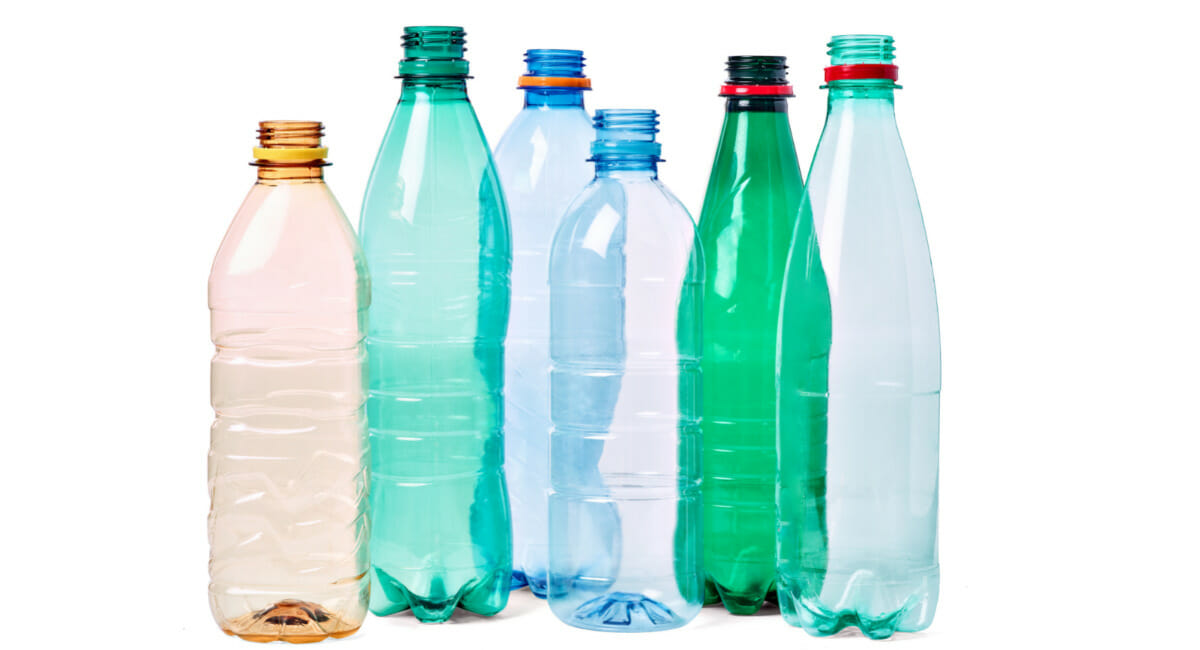
The principle works in such a way that the local population collects plastic and can exchange it for money or other services at Plastic Bank collection centres. This gives plastic waste a value. The collected plastic is then fed back into the recycling value chain, processed and can be used as so-called Social Plastic can be used in product packaging.
[infotext icon]Plastic Bank: Plastic waste as a valuable currency
„Our oceans are drowning in plastic waste,“ warned the World Wide Fund for Nature (WWF) at the beginning of the year. Up to 12.7 million tonnes of marine litter end up in the sea every year. The „Plastic Bank“ fights against this and combines the collection of plastic waste with development projects in the poorest regions of the world.
Plastic Bank was founded in 2013 by the Canadians David Katz and Shaun Frankson. The social enterprise is active in countries such as Haiti, the Philippines, Indonesia and Egypt. Collection centres are set up there where people can collect Plastic waste deliver. In return, they receive cash or benefits in kind - food, clothing or even energy quotas to charge their mobile phone battery or run the gas cooker. „This turns plastic into currency,“ summarises Wirtschaftswoche.

The Used plastics are sorted, granulated and recycled into „social plastic“. According to Plastic Bank, it produced a total of more than eight million kilograms of social plastic in 2020.
One of the first cooperation partners was Henkel in 2017. The cooperation has just been extended by five years. The Düsseldorf-based company plans to set up around 400 new collection centres in Egypt. „This will create additional capacity of up to 5,000 tonnes per year,“ says a delighted Prof Dr Thomas Müller-Kirschbaum, Co-Chairman of Henkel's Sustainability Council.
The German discounter Aldi cooperates with Plastic Bank and has already offered Henkel products made from social plastic as promotional goods.
[/infotext]pj: In 2020, Henkel aims to use more than 600 tonnes of social plastic in its packaging. In the 2018 Sustainability Report, you state that the Plastic Bank had collected a total of 63 tonnes of plastic in the collection centres sponsored by Henkel by the end of 2018. How was the significant increase in the amount of social plastic achieved?
Prof Dr Thomas Müller-Kirschbaum: We started in Haiti - a country that has virtually no waste infrastructure and is one of the poorest countries in the world. With our support, Plastic Bank has opened three new Plastic collection centre built. At the end of last year, we announced that we were not only extending our partnership by five years, but also significantly expanding it.
We are supporting further projects in even more countries, in Haiti, Indonesia, the Philippines - and in Egypt, where Plastic Bank has not yet been active. The aim is to increase the availability of social plastic as a Resource for packaging to increase. Then we too can use more social plastic in our product packaging.
In Egypt alone, around 400 new collection centres are being set up as a result of our commitment. This will create additional capacity of up to 5,000 tonnes per year. The quantity corresponds to one billion bottles over a period of five years.
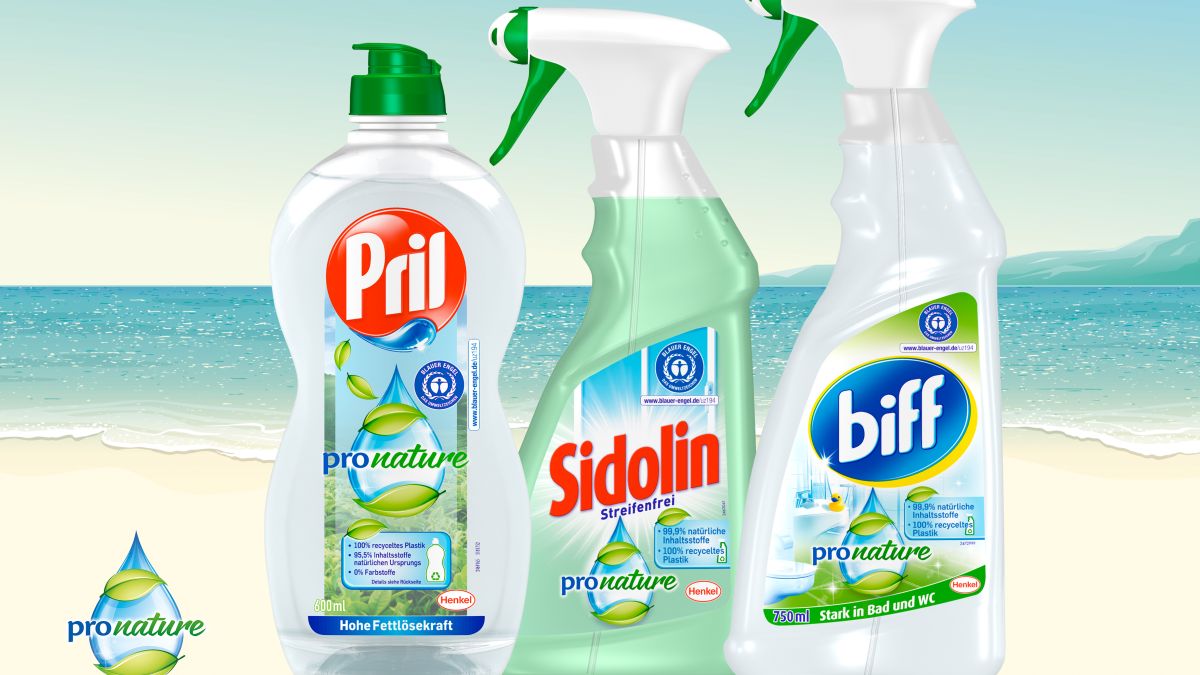
pj: By summer 2019, all PET bottle bodies of Pro Nature detergents from the Biff, Pril and Sidolin brands and Vernel laundry detergent should be made from 100 per cent recycled plastic. Social plastic should make up a quarter of this. For other packaging, even half of it should be social plastic. Do special technical production conditions have to be created for this? Keyword: inadequate purity of social plastic and post-consumer plastic?
Prof Dr Thomas Müller-Kirschbaum: You address two aspects directly here: In fact, many of our product packaging is already made from 100 per cent recycled plastic, for example all Pril bottles in Germany. 99 per cent of the recyclate we use is recycled plastic. Post-consumer material.
Last summer, we launched the product packaging you mentioned, which consists of up to 50 per cent social plastic. We have already used social plastic in more than five million items of packaging in the detergents and cleaning products segment alone.
Our biggest challenge here was to find a Value chain from collected plastic to high-quality recyclate. It was important to us to keep as much added value as possible in the country of origin. Together with our partners, we have succeeded in producing a recyclate quality that is indistinguishable from conventional recyclate.

pj: Are there product groups in the Henkel portfolio for which the use of Social Plastic is not an option?
Prof Dr Thomas Müller-Kirschbaum: Social Plastic is currently only available for PET packaging of our products. However, we are working on making Social Plastic available in other Packaging materials to be able to use them.
pj: According to the 2018 Sustainability Report, 51 per cent of all product packaging at Henkel is made of plastic. This corresponds to around 400,000 tonnes. According to Henkel's packaging targets, the proportion of recycled plastic in packaging in Europe should increase to 35 per cent by 2025. Can this demand even be met by post-consumer recyclate or social plastic?
Prof Dr Thomas Müller-Kirschbaum: In fact, the biggest challenge lies in the availability of high-quality recyclate. A lot still needs to be done here. Because it starts with the fact that in many countries around the world there is no proper Waste infrastructure gives.
For a functioning Circular economy it depends on everyone involved. That is why we work closely with our partners along the entire value chain in order to build a market - especially globally - and thus further increase the availability of the material.