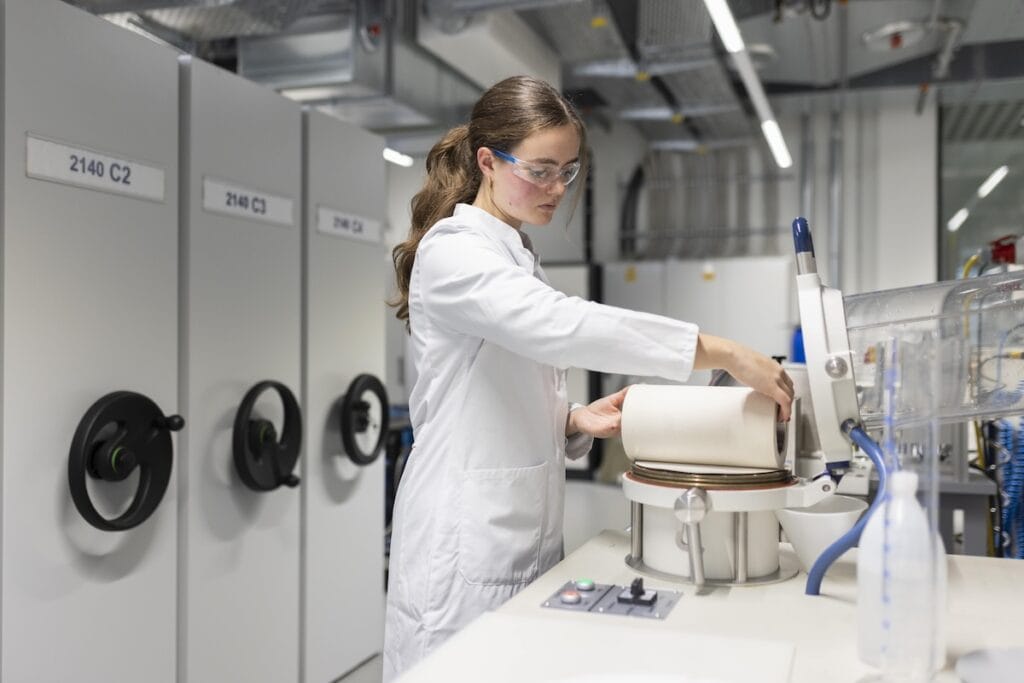
In view of the EU Packaging Regulation, Henkel is further expanding its testing capacities for recyclable packaging. In the company's own Packaging Recyclab, fibre-based packaging is tested for its recyclability - a crucial building block for regulatory safety and sustainable product development.
When the new EU Packaging Regulation (PPWR) comes into force at the latest, things will get serious: from 2030, only packaging that is at least 70 % recyclable may be placed on the market. This makes it all the more important for manufacturers to test their materials for recyclability at an early stage - as Henkel does in its own Packaging Recyclab in Düsseldorf.
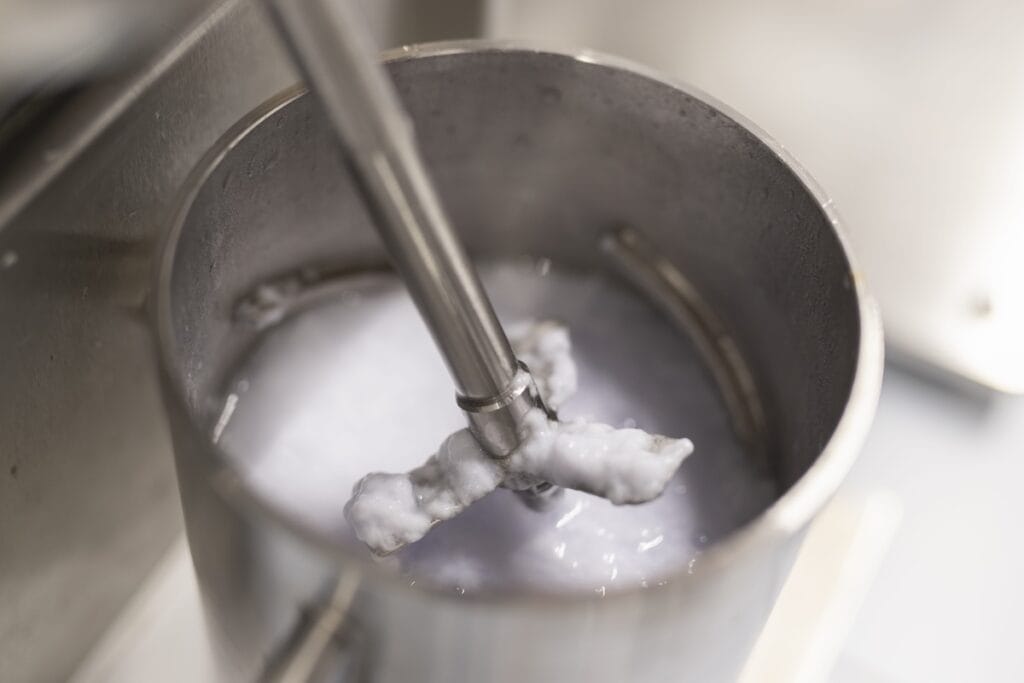
Fibre-based packaging solutions are analysed there under laboratory conditions - particularly with regard to the question of whether they are compatible with established recycling processes. After all, what is considered „recyclable“ on paper can become a problem in practice due to barriers, adhesives or complex material composites.

Certified tests with practical relevance
Henkel uses two common test methods in the Packaging Recyclab: the Cepi/4evergreen protocol and the CHI method from the independent cyclos-HTP institute. The latter also evaluates sortability and defibration - and is therefore closely aligned with the requirements of the upcoming EU regulation.
A plus point for manufacturers: the cooperation with cyclos-HTP allows Henkel to have official test reports drawn up by publicly appointed experts. These can be used as proof of recyclability when communicating with partners or authorities - a valuable argument in the increasingly regulated packaging market.
Design for recycling as a success factor
For Henkel, one thing is certain: sustainable packaging must be designed for recycling right from the start. This begins with the selection of suitable adhesives and barriers and extends to integration into functioning recycling loops. The tests in the Recyclab provide important insights into how products can be optimised - also with a view to subsequent certifications or an ecologically sensible conversion of the packaging.
Test early, gain regulatory certainty
The stricter requirements of the PPWR are increasing the pressure on the entire packaging industry. Those who plan material tests and optimisations at an early stage not only ensure regulatory compliance, but also planning reliability and credibility with customers, retailers and the capital market. The example of Henkel shows that the circular economy is no longer a vision of the future, but a concrete development path - ideally with proven results.