HolyGrail 2.0 plans pilot market in France in 2024

The HolyGrail 2.0 digital watermarks initiative is entering its final trial phase and plans to launch a pilot market in France in 2024.

The HolyGrail 2.0 digital watermarks initiative is entering its final trial phase and plans to launch a pilot market in France in 2024.

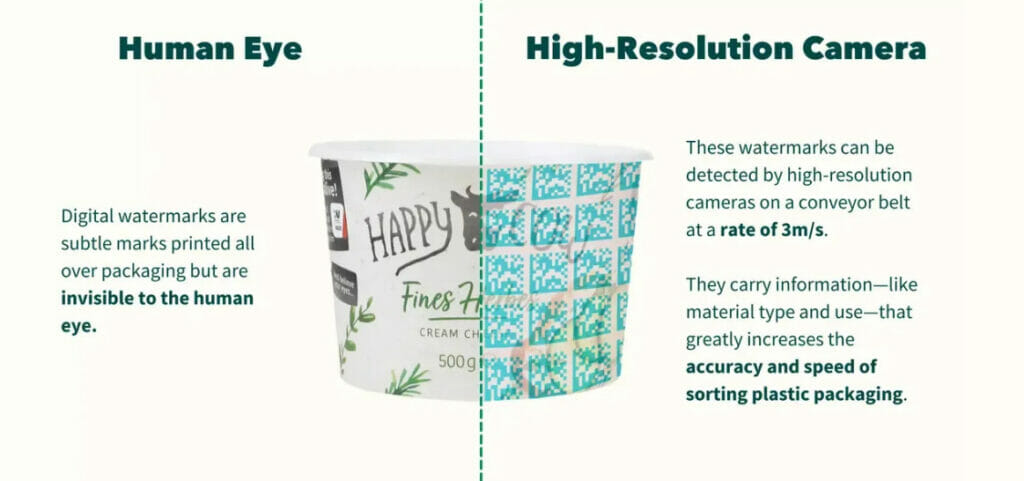
With a view to the year 2030, when 100 per cent of plastic packaging must be reusable, easily recyclable or compostable, the Digital Watermarks initiative HolyGrail 2.0, announces that it is now entering the final phase of R&D trials to validate the technology at the highest technical level (TRL9). This would make it ready for market entry and would also the basis for the introduction of a pilot market in France in 2024 create.

The binding EU-wide targets for the recycled content of plastics in packaging for 2030 require a fundamental change in the entire value chain, especially for manufacturers and retailers who use plastic packaging. Innovative technologies will make it possible to fulfil these obligations, This opens up opportunities for leading companies in the circular economy for packaging.

Led by the HolyGrail 2.0 (HG2.0) technical team, the tests will evaluate the technology's capability, recognise, sort and eject two types of flexible packaging material - PP flexibles, manufactured by PepsiCo Inc. and LDPE flexibles, manufactured by Essity and P&G.

Display

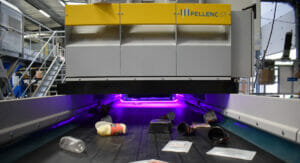
The tests on granulate sorting are carried out at the Hündgen Entsorgung material recovery plant. At the same location start a three-month sorting trial for hard plastic packaging with digital watermarks, produced by several HG2.0 member companies and launched on the Danish and German markets with the help of two prototypes developed by machine manufacturer Pellenc ST and technology provider Digimarc and installed on Hündgen Entsorgung's commercial sorting plant.

Two industrial-scale recycling trials will then conclude phase 3. Testing of the PP film and flexible PE fractions collected at Hündgen Entsorgung will be carried out by Borealis, while testing of the separate non-food PET bottle stream from the hard plastic trial will take place at Indorama Ventures' recycling plant in Verdun (FR). If successful, the technology would reach TRL 9 - a system that has proven itself in practice.

At the same time, a new working group has been set up as part of the project to establish a pilot market in France in 2024. So far seven member companies have joined forces to introduce the technology to the French market for rigid HDPE packaging. They are united in the goal of proving the advanced sorting capability of digital watermarks - with the support of Citeo, one of the French EPR organisations.

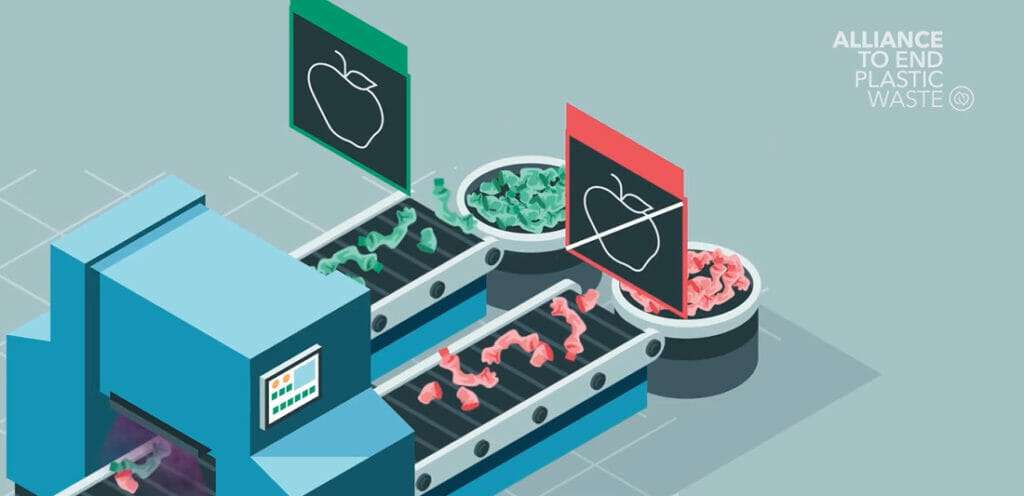
The brand owners Henkel, L'Oréal and P&G will be spending a large part of their time in the coming months Equipping portfolios of rigid HDPE packaging for the French market with digital watermarks. After use by the consumer, the collected post-consumer waste will be taken to Veolia's PlastiLoop plant in Brenouille (FR), where the watermarking system developed by Pellenc ST and Digimarc will separate the watermarked non-food HDPE stream from the non-watermarked packaging waste.

A special granulate sorting test is then carried out on the watermarked rigid HDPE packaging: The streams will be split into detergent and cosmetic streams and further processed with the aim of developing fit-for-use detergent and cosmetic rHDPE packaging respectively. This initiative will play an important Bridge between the R&D phase and commercial launch by providing participating companies with practical insights and improving the recycling process for a truly circular economy. If successful, this pilot market will provide further proof that the HolyGrail 2.0 technology is not only technically but also economically viable. also ready for use from an economic point of view and pave the way for a large-scale market takeover.

Source: Alliance to End Plastic Waste

HolyGrail 2.0 - More news