The iF Design Awards were presented for the 67th time in mid-May. Renowned design museums around the world made their rooms available as a digital stage for the awards ceremony. Once again, numerous cosmetic packaging products were honoured. We show you some of the award-winning solutions here.
With almost 10,000 registered products and projects, which were assessed by 98 international design experts on the iF jury, 2021 was a record-breaking year. 1,744 designers, agencies and companies from 44 nations received the iF Design Award 2021 for their creative achievements. 75 of the most outstanding works were honoured with the highest award, the iF gold award 2021.
Gold Award for refillable cream jar
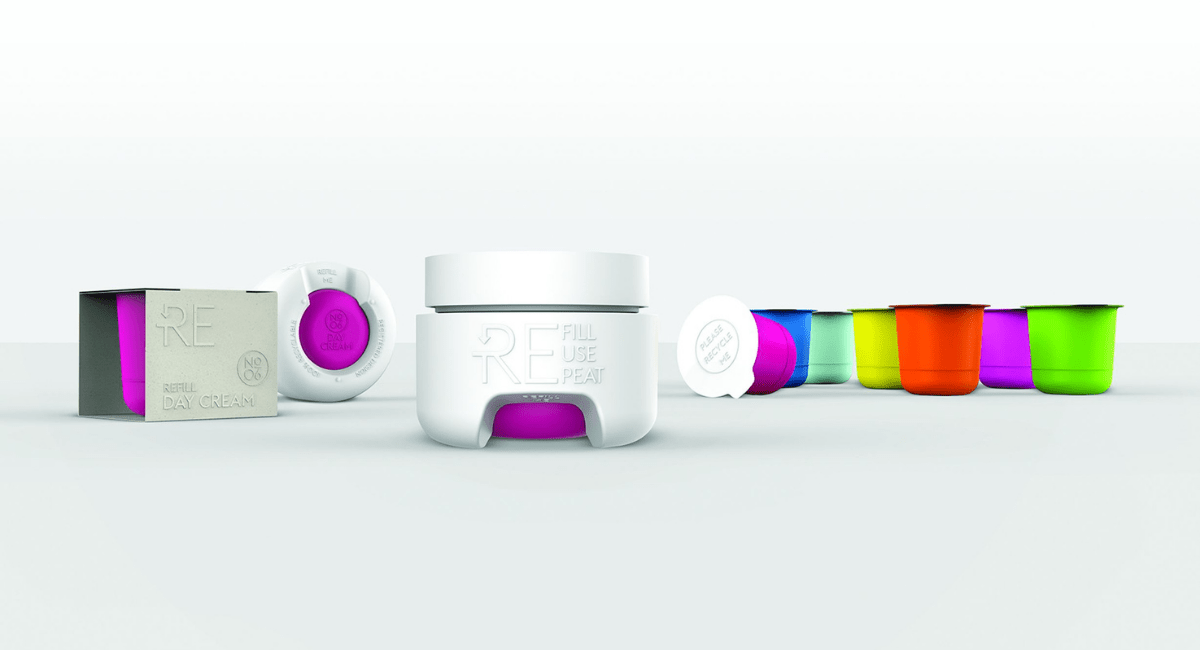
Many sustainable packaging solutions were also among the submissions in 2021. For example, there was an iF Design Award Gold for the Dutch concept Fasting. The refillable refill-reuse-repeat cream jar is made from recycled polypropylene monomaterial and saves 70 per cent plastic compared to a standard cream jar. Thanks to the Weight reduction in the design and stackability of the refill units the CO2-emissions during transport can be reduced. In addition Ink replaced by embossing and the outer carton is folded instead of glued. The jury commented: „This intelligent and innovative cream jar epitomises sustainable packaging design in its category. By using only recycled polypropylene and reducing unnecessary material, the packaging has become even more environmentally friendly. The sensible choice for future generations.“

Flexible silicone grommet
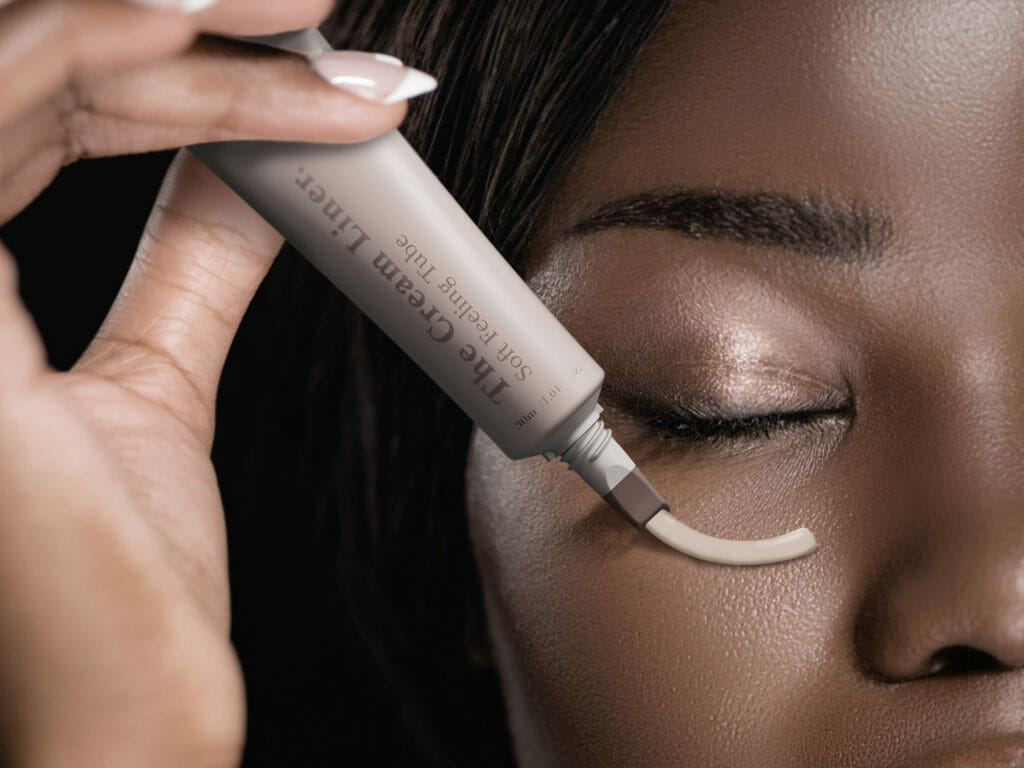
In the non-branded packaging category, a Tube for eye cream thanks to a flexible silicone nozzle that applies cosmetic products directly to the face or the skin around the eyes in a particularly gentle way. The tube uses so-called bi-injection technology on the nozzle, which touches the skin directly to apply the eye cream gently but without the hard plastic feel typical of standard cosmetic tubes.
Asymmetric lipstick tube
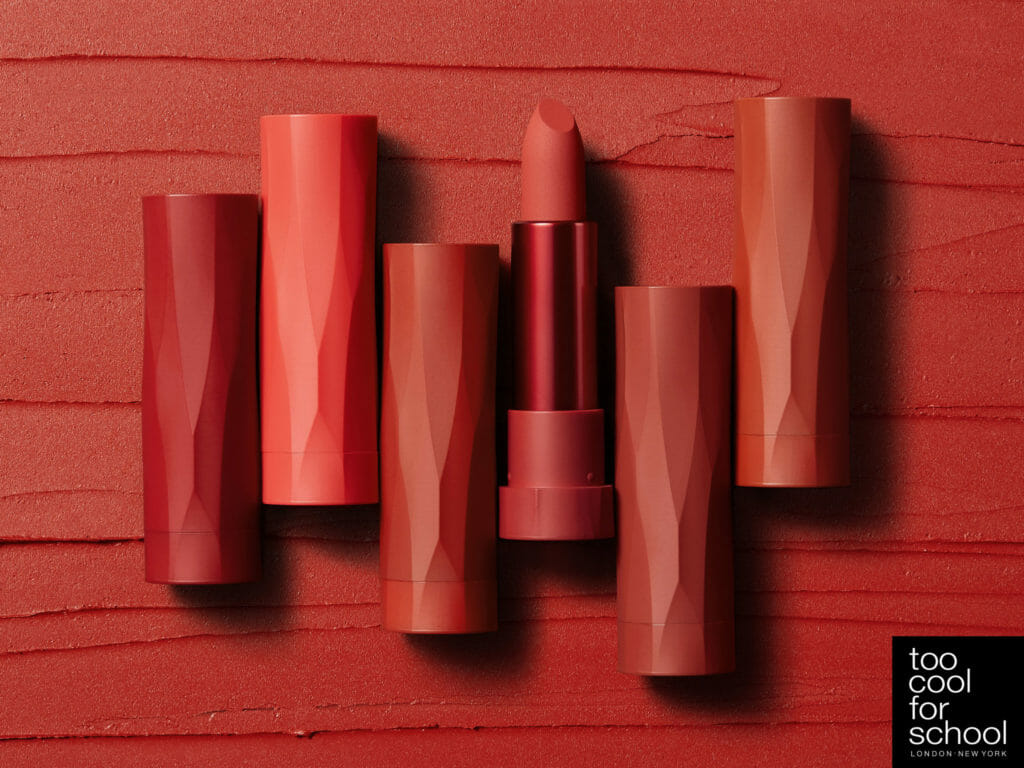
The „Artclass Lip Velour“ from Too cool for school (South Korea) was inspired by the French sculptor Auguste Rodin (1840-1917). The packaging shows an asymmetrical lipstick tube that appears to be moulded from clay. The irregular surface creates a play of light and shadow, so that the container appears to change shape at any angle. This irregular cut also improves grip and is easier to open and close compared to conventional cylindrical cases. The brand's signature logo is engraved on the top of the lipstick and designed to blend seamlessly with the smooth texture and matte finish of the product.
Waste-free soap system
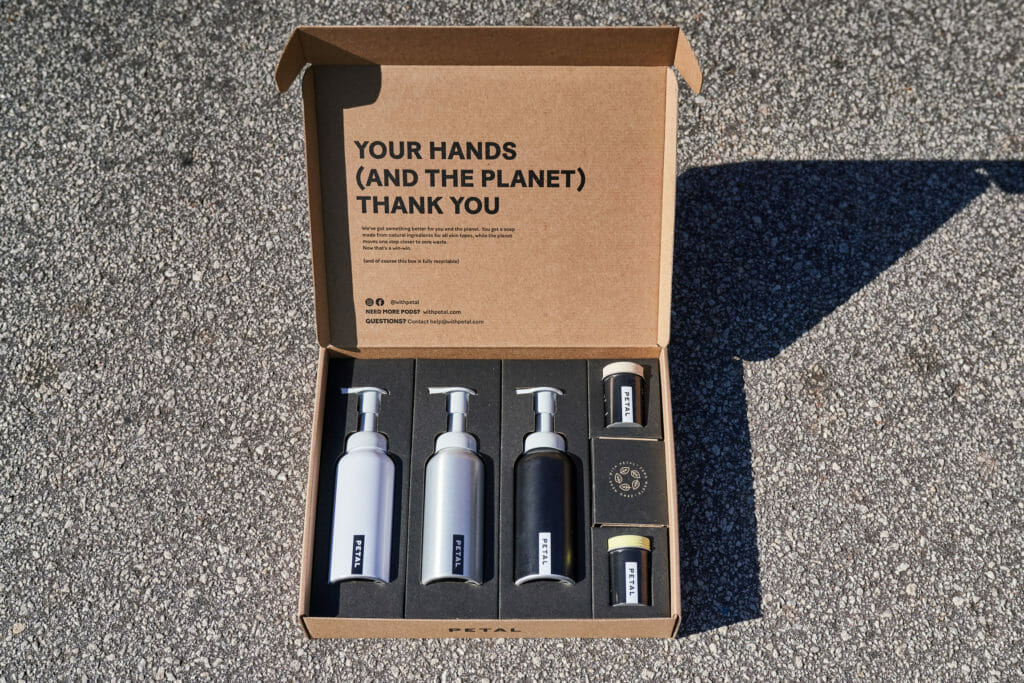
Petal is a waste-free hand soap system. Refills are delivered in cylindrical cans directly to the customer, who mixes them with water and fills them in a bottle made of 100% recyclable, lightweight aluminium. The dosing pump is made from recycled post-consumer plastics. Trivium Packaging USA's design aims to reduce dependence on single-use plastics and CO2-footprint.
Refillable deodorant
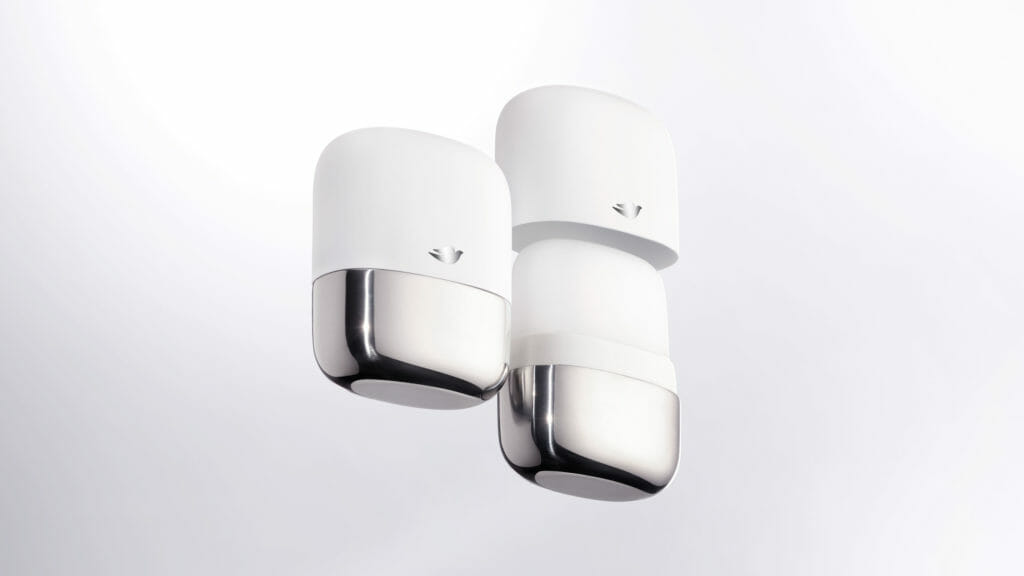
The Dutch agency VanBerlo Agency has developed Unilever developed the design for a refillable deodorant from Dove. It consists of a minimalist stainless steel housing with a polished surface. The refillable deodorant sticks are inserted into the base and twisted until they click into place. This refill packaging is designed to reduce the use of plastic by 54 per cent compared to current packaging.
Inspired by the egg carton
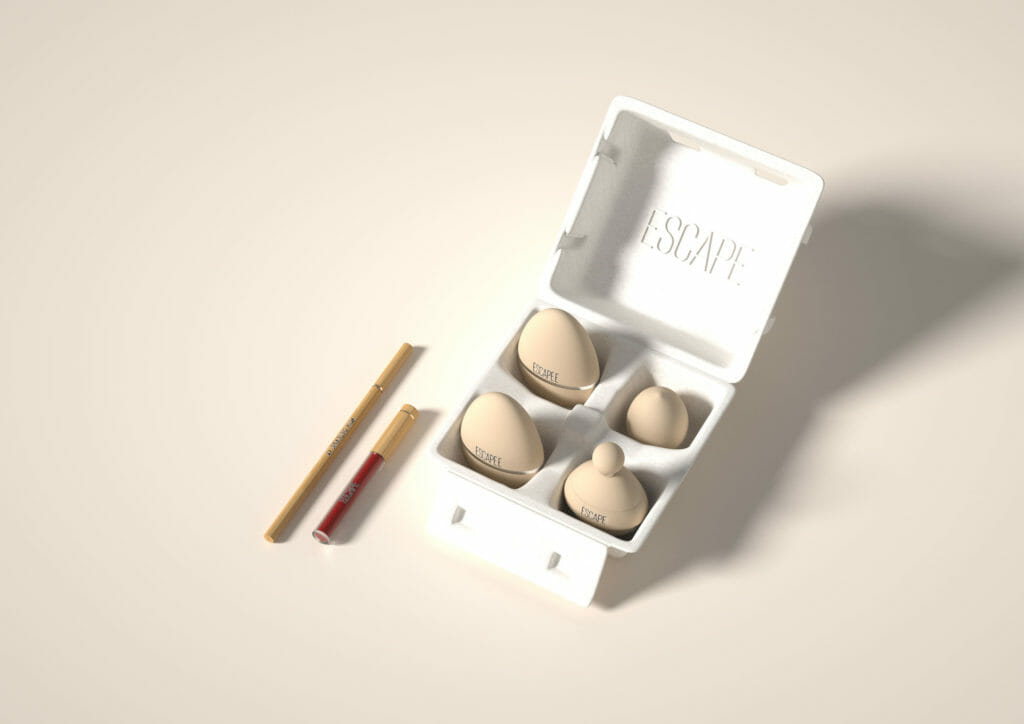
This Packaging design for a liquid skin foundation was inspired by the classic egg carton. The product bottles are also egg-shaped and partially transparent so that users can distinguish between the different product colours. The outer packaging is made of sustainable material to emphasise the natural ingredients of the formulations.
Recycled wood
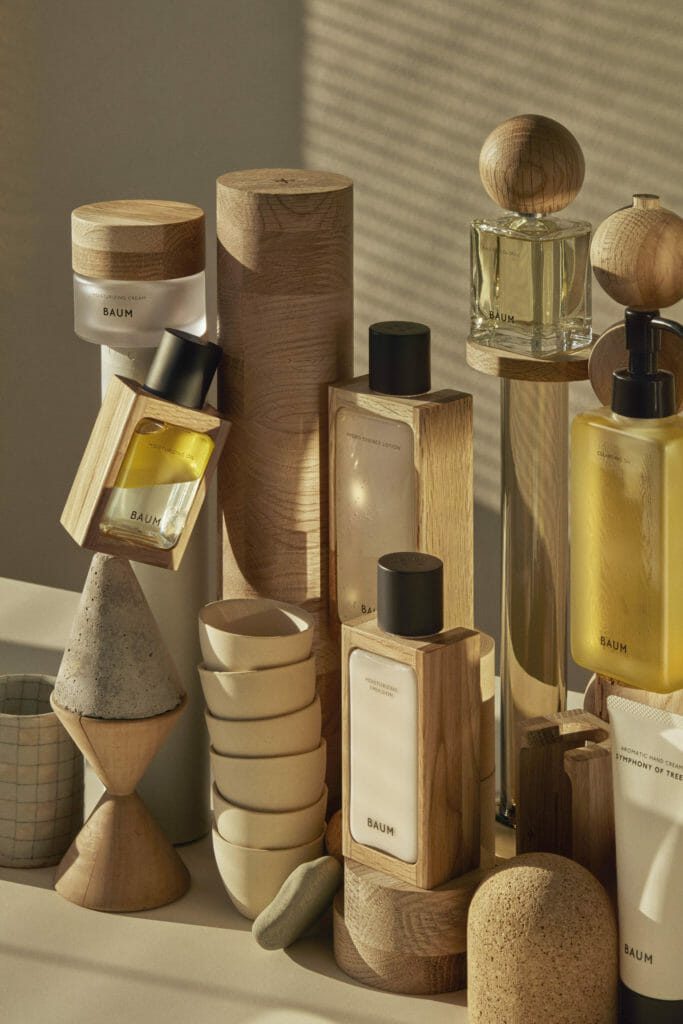
The design of the Japanese „Baum Forest“ packaging line uses recycled wood scraps from furniture production. High-quality oak wood is remodelled in such a way that it can take on a new role as cosmetics packaging. The refillable product bottles are made from either bio-based PET or recycled glass. The Brand also wants to get involved in protecting the forests by planting oak trees. The first planting is planned for this year.
Avocado-shaped packaging
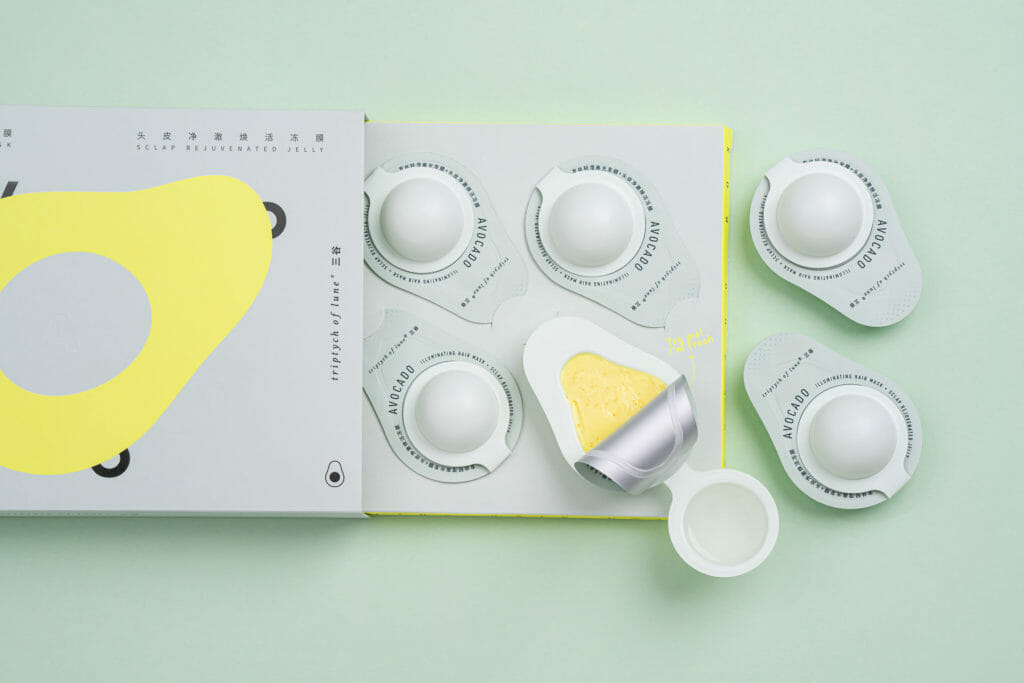
In the hair care category, the jury was impressed by the design of an avocado care product from China. The packaging uses a simplified representation of the shape of the fruit, which is also used in the individual packaging elements - round and avocado-shaped bowls. The box itself can be folded flat.
Grainy texture due to coconut
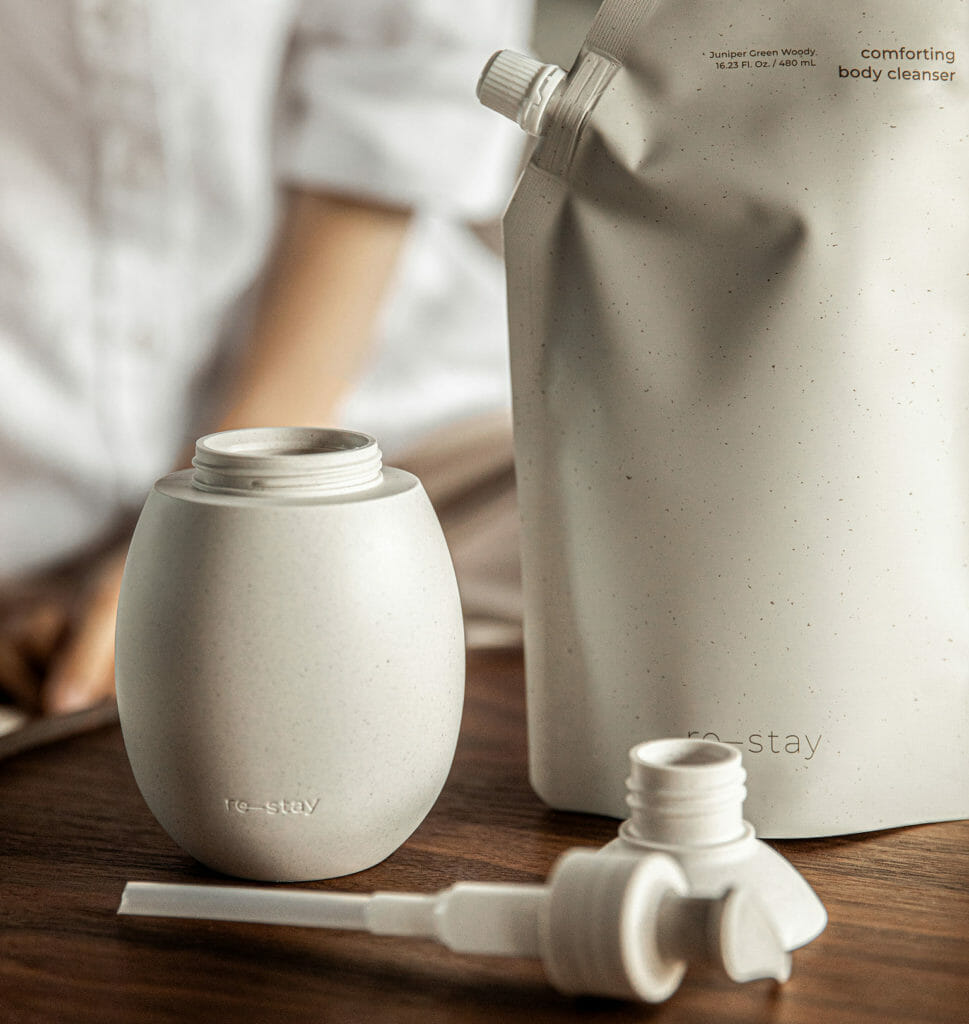
The cosmetic formulations of the Re-stay brand from Innisfree are available in refill packs. The „Re-spenser“ dispenser has been designed so that it can be easily refilled. The ceramic container is made from a new material, coconut shells (5 %) and minerals (25 %) and is characterised by a natural, grainy texture. The use of plastic has been reduced by 30 per cent. For the shape of the dispenser, the natural cosmetics manufacturer was inspired by the curves of Korean porcelain and the beauty of emptiness.
Dosing cap made from recyclate
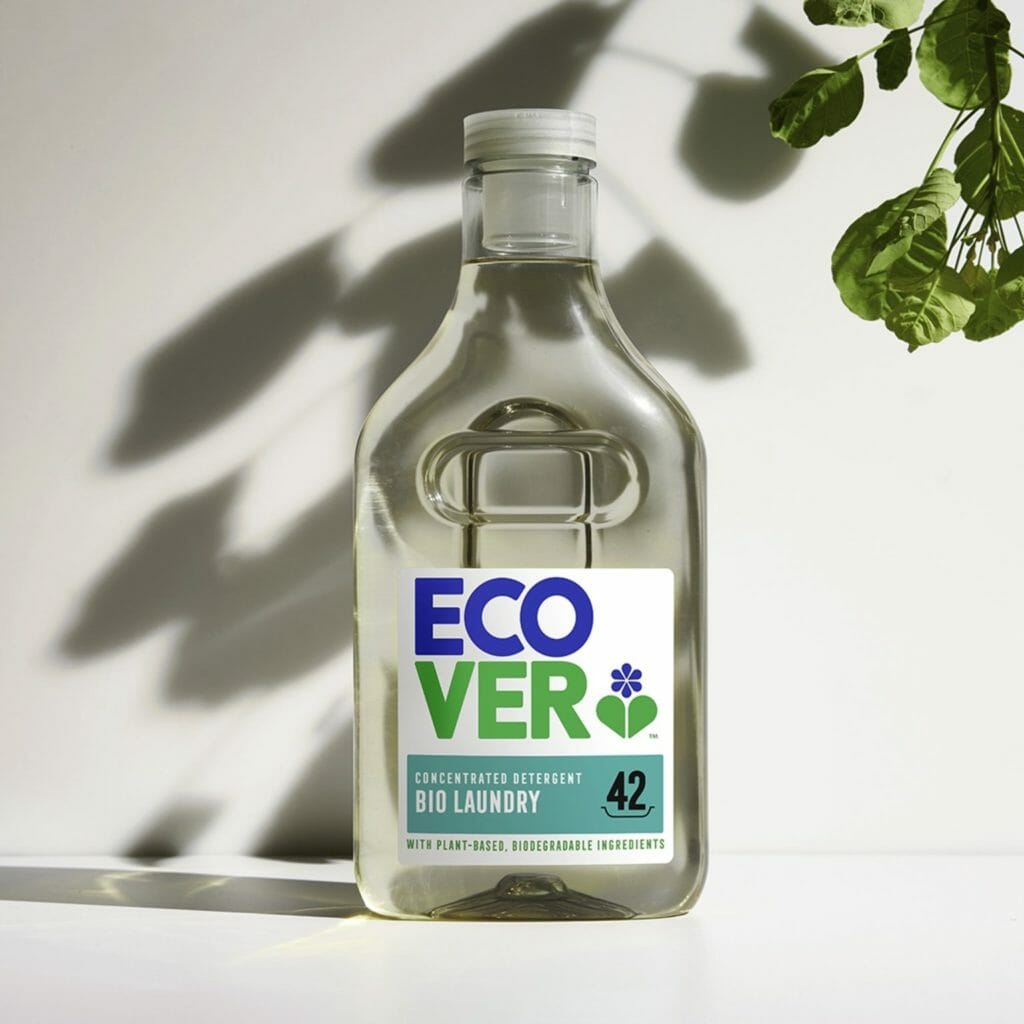
The bottle from the Belgian manufacturer of environmentally friendly cleaners is made from 100 per cent post-consumer recycled PET, Ecover, produced. It has a one-piece dosing cap made of half post-industrial and half post-consumer polypropylene. The bottle is easy to refill and reuse and is easy to recycle at the end of its life.
[infotext icon]Because the international Award ceremony in Berlin had to be cancelled for the second time due to the pandemic, the award-winning products and projects were celebrated digitally for 24 hours in cooperation with renowned design museums. The Vitra Design Museum (Germany), The Design Museum London (UK), YANG Design Museum (Shanghai), the Design Museum Everywhere (USA), the Designmuseum Danmark (Denmark), the MAK - Museum of Applied Arts (Austria) and the Design Museum Den Bosch (Netherlands) formed the digital stage. In addition to their presence on the websites of the design museums, international and national design platforms from the USA, Germany, China, Taiwan, Japan, Korea and Spain will be presenting the award-winning designs as part of media collaborations over the next six months.