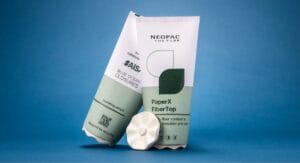
Increased awareness of sustainable packaging despite inflation

Inflation does nothing to diminish awareness of sustainability. A study shows that consumers are paying more attention to sustainable packaging.

Due to inflation and the energy crisis, consumers are struggling with higher prices. However, this has not diminished awareness of the issue of sustainability. However, a study now shows that consumers are not paying less attention to sustainable packaging in these times, but rather more, and are also prepared to pay more. 

Inflation and the energy crisis are not slowing interest in sustainability, they are increasing it. According to the Simon-Kucher packaging study Since the crisis, around one in three (31 per cent) have relied more on sustainable packaging than before. The proportion of those who were not dissuaded from their already positive attitude towards sustainable packaging is also remarkable. Even in times of exploding supermarket prices, 43 per cent still attach importance to such offers. Only 13 per cent are paying less attention to packaging in the tense economic situation. „Sustainability in product packaging is crisis-proof,“ emphasises Dr Daniel Bornemann, Partner & Head of Simon-Kucher's Global Packaging Practice.

The best time to invest is therefore right now. Thus 72 per cent willing to pay more for a sustainably packaged product. An average of eight per cent.

Picture of a man
(Image: Simon-Kucher & Partners)

„In times of inflation, such a gain can be decisive. Especially when you consider that almost one in ten people are prepared to pay a surcharge of 20 per cent or more. Companies must not ignore the immense monetisation potential. Especially as the willingness to pay more relates to the end product and the packaging costs usually only make up a small part of this.“

Display

Dr Daniel Bornemann

But not all products are the same. While consumers pay particular attention to the packaging of processed food (43 per cent), fresh food (31 per cent) and drinks (22 per cent), This only plays a subordinate role for electronics, household appliances and online shopping (11 per cent each). „The demand for sustainable packaging is constantly increasing. Those who are not yet feeling the pressure must not rest on their laurels, but must address the issue in a targeted manner,“ says Bornemann.

What do consumers understand as sustainable?

The majority would prefer no packaging at all or as little packaging as possible (35 per cent). If packaging is available, it should be biodegradable (36 per cent) and recyclable (26 per cent) or made from recycled materials (23 per cent). Only 14 per cent pay attention to a good CO2 balance. „It's all about easily visible factors. Companies need to bear this in mind during product development and marketing,“ emphasises packaging expert Bornemann.

Marketing is also required. For consumers who already buy sustainably packaged products, it is important to appeal to their self-motivation. This is because 97 per cent do not allow themselves to be put under pressure by the media or their environment when making a purchase decision. The external effect is even less important. According to Daniel Bornemann, it is more about the positive influence of consumption (37 per cent) and the good feeling associated with it (26 per cent).

At present, however, only 38 per cent of consumers use sustainably packaged products.

„Conversely, this also means that there is a huge market with incredible potential. Our study shows that consumers decide against sustainably packaged products for one main reason: They feel poorly informed. Companies that focus on transparency and information campaigns for sceptics can gain large market shares.“

Dr Daniel Bornemann

Source: Simon-Kucher & Partners

More news on the topic of sustainability