The pharmaceutical industry has a need for dialogue - in a positive sense. This was once again demonstrated by the Pharma Forum, the latest edition of which took place on 18 and 19 September in Schwäbisch Hall and was organised by Optima Pharma.
In particular the biotechnologically produced pharmaceuticals are moving the industry more than ever. More than 50 per cent of Research & Development is now taking place in the field of biotechnological drugs, reported Yatin Gokarn from Sanofi (USA).
This is why multi-product-capable systems are required today for sensitive biopharmaceutical drugs, noted Alexander Haig (Catalent), among others. Due to the extensive complexity, successful plant engineering today can only be realised with intensive Teamwork between customer and supplier. The challenges are almost always different from project to project, which is why specialised robot and transport systems are being used more and more frequently in aseptic processes.

Many of the new medicines are Highly potent, why necessary Protection mechanisms such as specific printing zone concepts or the ideal positioning of special filters in the system were discussed. Rainer Glöckler presented the strategies of the specialised CMO (Contract Manufacturing Organisation) service provider Swissfillon.
Dr Annette Künkele, senior physician at the Charité hospital in Berlin, reported on a child suffering from leukaemia for whom all known therapies had failed. Thanks to a new type of therapy (CAR T-cell therapy), the girl's tumour cells have now disappeared for seven years.
However, this therapy is still Extremely expensive and complex and the drug is also extremely sensitive. In order to make such therapies widely available, not least the Technology required.
The question of what batch sizes make it worthwhile to invest in equipment for sterilising the containers or when pre-sterilised ready-to-use (RTU) components are advantageous was discussed. One thing is certain: with the advent of biotechnological medicinal products also processes small batches reliably and highly efficiently have to be made.
The Digitisation will play a major role in the near future, Galina Hesse (Sanofi, Germany) was convinced.
The topic Biosimilars was the main topic of discussion. They promise more cost-effective patient care, but with biopharmaceutical drugs, whose patent protection is expiring. Javier Camposano (Celltrion) explained that the relevant international regulations and the technical requirements The market entry and cost aspects are currently still having a negative impact.
At the Pharma Forum, it became clear that, on the one hand, innovations are demanded and desired by health authorities, but that their introduction is often High bureaucratic hurdles This can entail considerable challenges - both in drug development and with regard to the manufacturing processes for the ready-to-use product. However, pharmaceutical safety is and remains the top priority, which is why the panel discussion also focussed on the question of how the The future of aseptic production looks orientated.
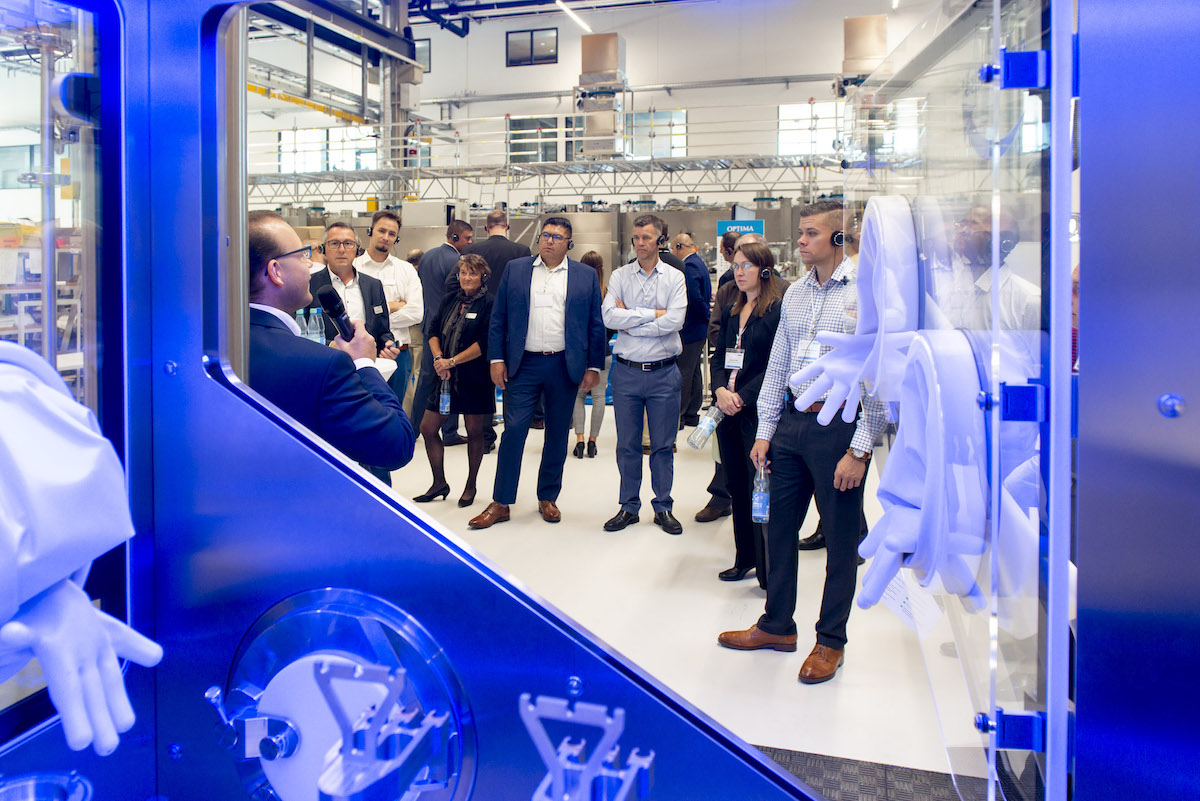
Various answers to this question were Tour of part of the production facility and the new CSPE Centre of Optima Pharma (CSPE: Comprehensive Scientific Engineering). The building technology of the CSPE centre is a prerequisite for integrated Factory Acceptance Tests (iFATs). Supply lines for all necessary media were integrated inconspicuously into the hall floor for this purpose. With the extended hall height, the HVAC components (heating, ventilation and air conditioning) of isolators can now also be accommodated. Complex lines can now be optimally harmonised and tested at the factory and no longer at the customer's premises.
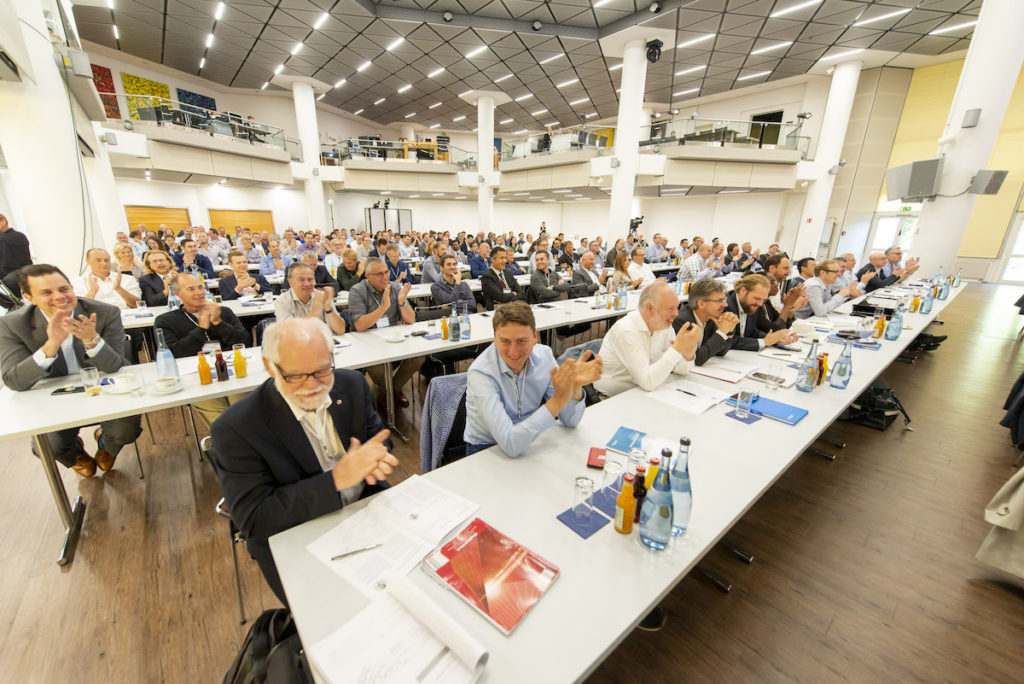
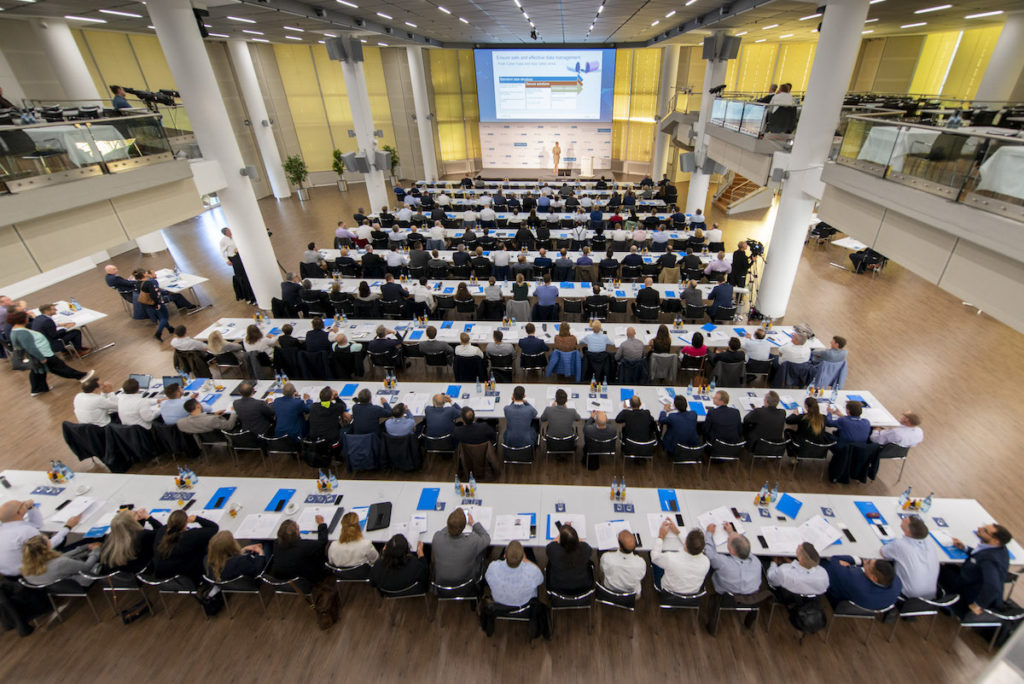
Overall, there was very positive feedback from visitors for the seventh Pharma Forum with 200 participants from 25 nations, nine speakers, a panel discussion and a tour of the latest machine technology and Optima as the organiser.
Source: OPTIMA packaging group GmbH