From hot filling to in-pack sterilisation: if you want to thermally treat food, you need a packaging material that can reliably support the entire process. There are good reasons why glass is an ideal partner - it is temperature-resistant, dimensionally stable and practically inert. Efficient in filling, it preserves the quality of sensitive products and fulfils the highest food safety requirements.
Food and beverages must be safe - not only fresh, but also microbiologically stable. Many products are sensitive to germs, enzymes and oxidation. To Ensure shelf life, hygiene and product protection and without the addition of unnecessary preservatives, manufacturers rely on thermal processes. These processes - from hot filling to pasteurisation and sterilisation - not only make sense, but are also required by law, depending on the food.
High demands on the material
However, thermal preservation places high demands on the packaging: depending on the process, it must be able to withstand temperatures of up to 130 °C, must not deform or react with the contents and must also ensure an oxygen-tight seal. Ideally, the packaging should be easy for consumers to open and reseal. Many materials quickly reach their limits here. Klaus Dembski, expert for packaging glass at the Bundesverband Glasindustrie e. V., is a long-standing industry expert with a focus on food applications. He summarises the requirements of production, regulation and material technology.

"Anyone who fills or sterilises food under heat needs packaging that is robust and at the same time gentle on the product. The requirements are: maximum heat resistance, absolute tightness and chemical neutrality. This is exactly where glass comes into its own."
Klaus Dembskiexpert for packaging glass at the Bundesverband Glasindustrie e. V
Three paths to product safety
Thermal processing of sensitive foods is dominated by three common methods: Hot filling, in-pack pasteurisation and in-pack sterilisation. Companies that are recognised as quality leaders in their segments show how and why they rely on these processes. They all rely on glass out of conviction - as a safe, process-stable and consumer-friendly packaging material.
With the Hot filling the product is typically heated to 85 to 95 °C and bottled immediately. The heat kills microorganisms. During the subsequent cooling process, a stable vacuum is created, which protects the product. With this process, glass not only retains its shape, but also even contributes to microbial safety due to its thermal massThe stored residual heat continues to act on the inner wall of the jar - an effective post-sterilisation effect without additional process steps. This process is particularly well established for products with a low pH value, such as fruit juices or smoothies.
Example Rabenhorst
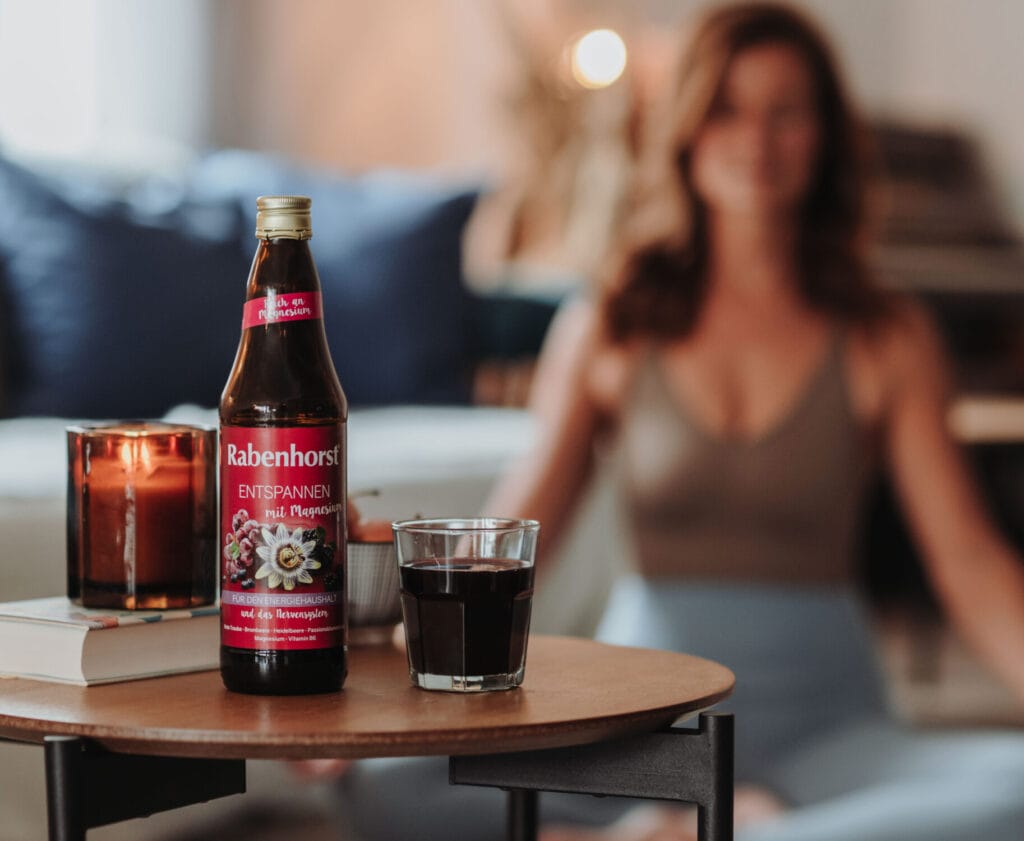
The premium juice producer Haus Rabenhorst uses glass as a central packaging element. The company offers a high-quality range, from direct juices to functionally enriched juices and hot drinks. The products are gently pasteurised for a short time at around 80 to 90 °C - at a temperature at which microorganisms are reliably killed but heat-sensitive ingredients are largely preserved. They are then bottled hot under controlled conditions in the characteristic Haus Rabenhorst bottles. Minimised oxygen contact and active re-cooling ensure that natural colourings, flavourings and vitamins are excellently protected. Amber glass ensures UV protection, thermal stability and inertness, which is crucial for the quality and longevity of premium direct juices without additives.
Gently pasteurised
The In-pack pasteurisation takes place with the containers already sealed - typically in hot water baths or vapour chambers at 70 to 100 °C. Thanks to its uniform thermal conductivity, glass enables homogeneous heating, which prevents overheating or inadequate treatment at critical points. Thanks to its high thermal and mechanical stability, it remains dimensionally stable and reliably sealed even after repeated heat cycles. This is considered a decisive Advantage for reusable packaging or repeated pasteurisation processes. Products such as pickled vegetables, jams or sauces are treated gently to reduce microorganisms and ensure shelf life.
Example Carl Kühne KG
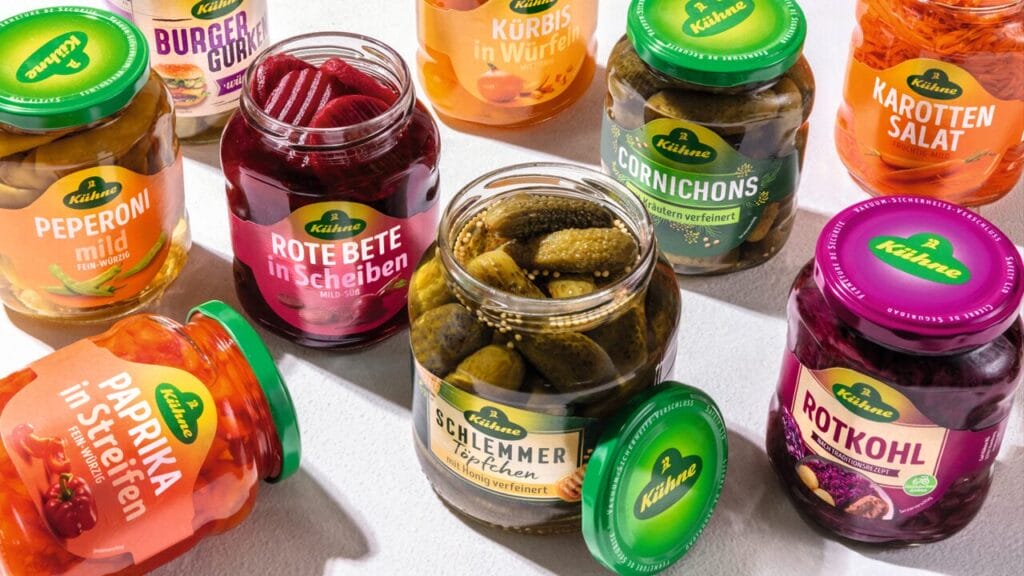
Glass is indispensable for pickled vegetables, such as those produced by Carl Kühne KG. Here, pasteurisation takes place after filling - usually at approx. 80 to 95 °C for 20 to 30 minutes. Pasteurisation neutralises undesirable microflora (e.g. yeasts and pathogenic germs) and Prevents microbiological spoilage without significantly impairing product properties such as texture. The process ranges from simple vinegar and vegetable preserves to more complex dressings - all in robust glass. The practically inert packaging material guarantees process reliability, barrier functions and quality behaviour, which is essential, especially in the sensitive acidic environment.
Autoclave sterilisation for the most sensitive products
With the In-pack sterilisation sealed glass containers are heated to temperatures of 110 to 140 °C - usually in rotating autoclaves in which water or steam ensures even heat distribution through movement. The high pressure in the autoclave of up to 3 bar ensures that the product remains in a controlled state throughout the entire heating cycle. Glass not only withstands heat and pressure, it also also protects sensitive formulations due to its inertness against substance migration or foreign flavours. This process is particularly essential for sensitive and low-acid products such as baby food or protein-rich ready meals.
Example HiPP
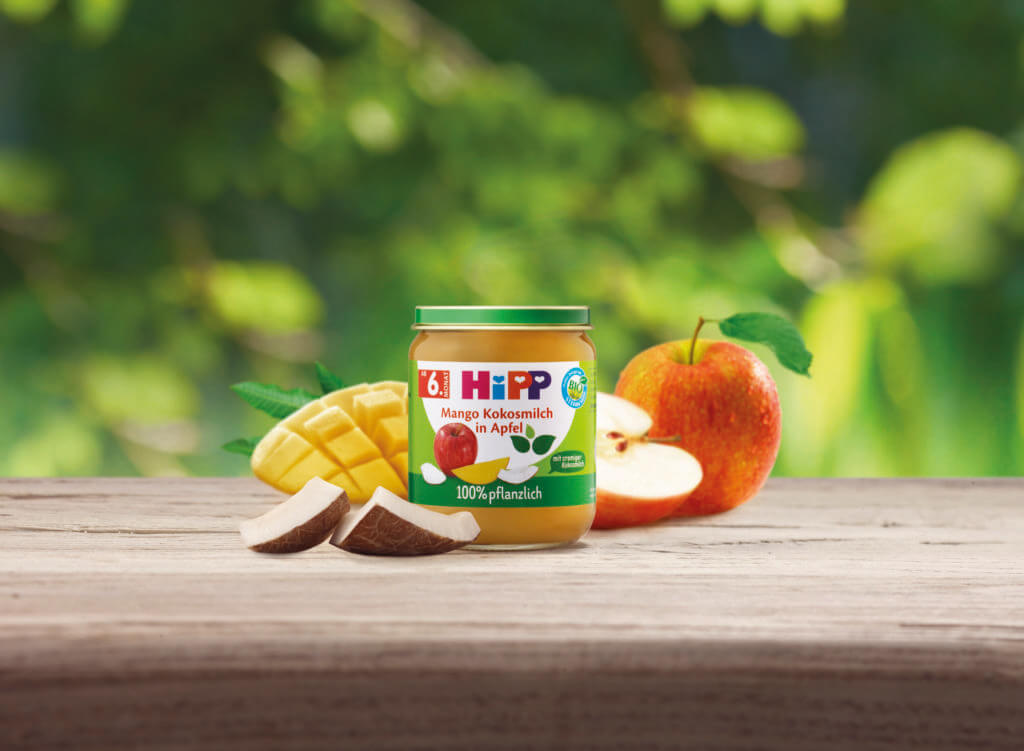
The family-run company HiPP has been filling its baby food in jars since 1959 and consistently relies on glass and in-pack sterilisation. The combination of pressure, movement and temperature in the all-water autoclave ensures even and rapid heating. The result: microbiological safety with maximum protection of nutrients. Glass is the ideal choice for the company as it reliably withstands the process while preserving flavour and quality. The consistent lightweight glass strategy without compromising on safety and stability also supports sustainability and safe packaging performance.
Efficiency in the packaging process
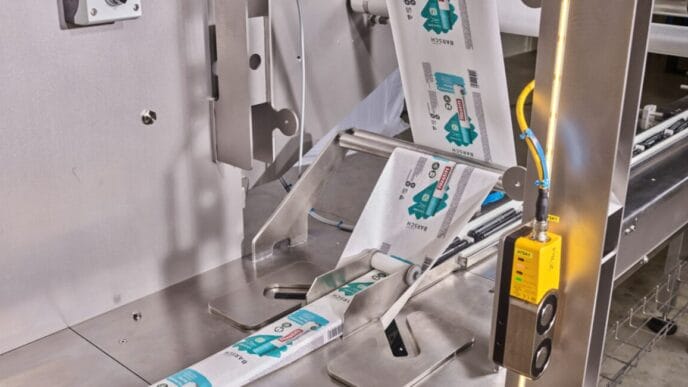
It is not only the protection of the valuable contents that is an advantage of glass packaging. The efficiency of the filling and packaging process also speaks in favour of the material: standardised formats and dimensional stability allow high filling speeds, the smooth, non-porous surface facilitates cleaning and disinfection and enables high standards of hygiene. Furthermore the transparent nature, even when exposed to heat, allows inline inspections by cameraFor example, for fill level measurement, label positioning or cap checking. Glass breakage detection or empty container inspection can also be reliably performed during throughput. "Modern glass packaging is not only robust and safe, but also extremely process-compatible - from the filling line to labelling," emphasises Dembski.
Circular by nature
In addition to its functional strengths in the thermal process and in food safety, glass also impresses with its recyclability. It does not require any additional coatings or functional barriersto protect products from migration, oxidation or light. This means that glass packaging can be 100 per cent recycled an infinite number of times without any loss of quality. Glass is therefore inherently recyclable and already fulfils the requirements of the EU's circular economy strategy.
By the way: In Germany, the proportion of recycled glass in glass packaging averages 60 per cent, and even around 90 per cent for green glass. And of course, glass packaging can not only be recycled, but also reused. Depending on the product and system, up to 50 cycles are possible in the reusable cycle.
So glass is a real champion when it gets hot. Klaus Dembski appreciates all these positive characteristics of glass packaging - and not just from a professional point of view. He has long since found his own special glass moment: "Whenever I open a jar of gherkins or crispy sausages, I love the sound of the screw cap unscrewing. For me, that's the whole process in one big 'click'".