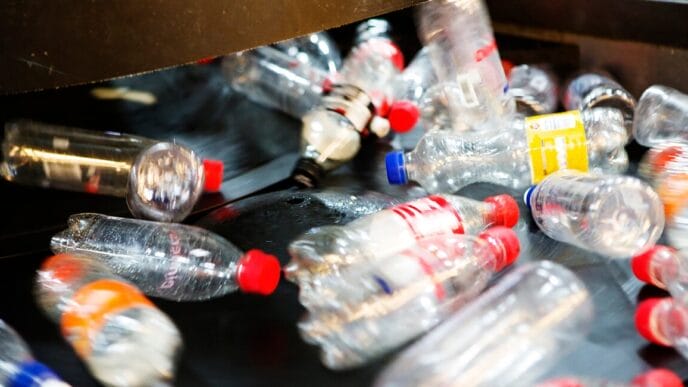
The Finnish K Group and its parent company Kesko are stepping up their measures to reduce plastic and increase recycling. In addition to higher prices for plastic bags, the „Plastic Challenge“ is being launched for partners, while Kesko is switching to renewable and recyclable packaging materials for its own brands.
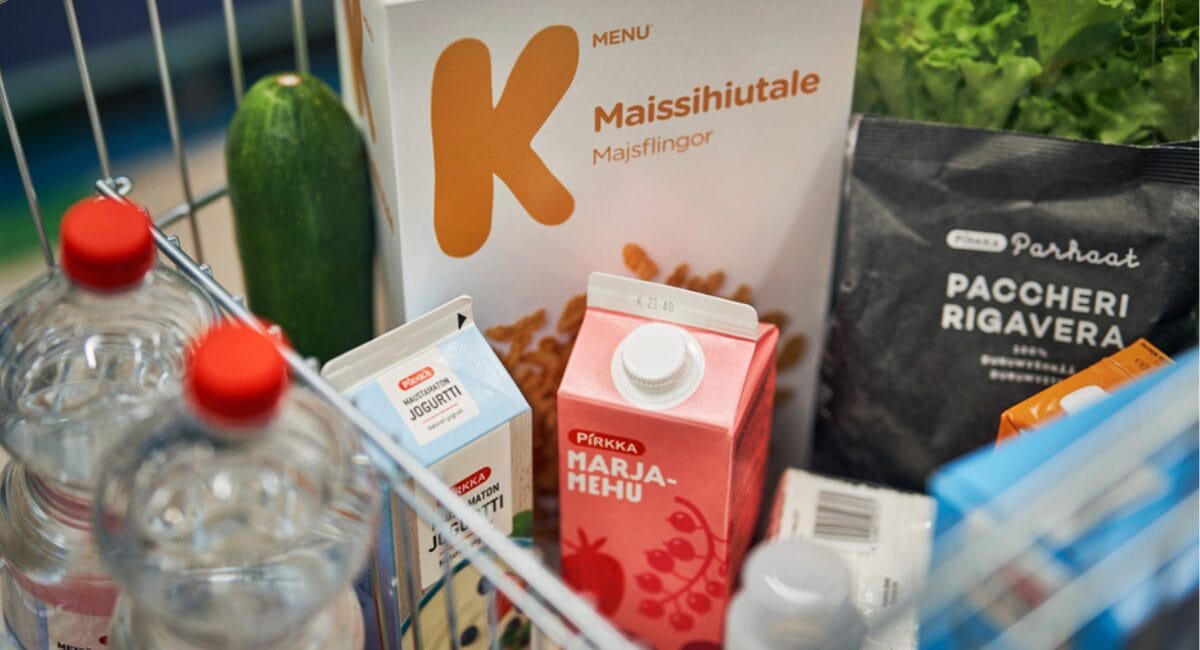
The K Group has increased the price of plastic bags in its grocery stores - to €0.35 in K-Citymarkets and €0.39 in K-Supermarkets and K-Markets. The aim is to motivate customers to bring their own bags. A display in the K-Ruoka app shows how many plastic bags a customer has bought in the past year. The placement at the checkouts has also been changed: Plastic bags should no longer be the first choice, according to reports from Finland. In 2024, around 23 tonnes of plastic were saved by changing the packaging of the own brands Pirkka, Pirkka Parhaat and K-Menu.
At the same time, K Group is launching the „Plastic Challenge“ to motivate partner companies to take concrete recycling measures. They are to set their own targets and exchange best practices. The background to this are EU targets to reduce consumption to a maximum of 40 plastic bags per capita per year and to achieve higher recycling rates, where Finland is still lagging behind.

Kesko changes its packaging policy
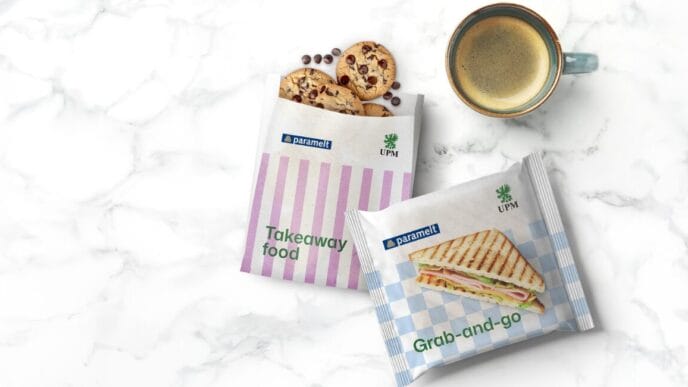
Kesko has also combined its plastic and packaging guidelines in a new packaging policy. For own brands such as Pirkka, Pirkka Parhaat, K-Menu and the DIY brand Cello, more emphasis will be placed on paper, cardboard, corrugated cardboard and recycled materials in future. Between 2020 and 2024, 300 packages have already been redesigned, resulting in a saving of 603 tonnes of plastic - equivalent to 29 million Pirkka bags.
By 2029, all own-brand packaging as well as packaging from our own production and warehouses should be recyclable or reusable. Wood-based disposable packaging must then be FSC or PEFC-certified or made from recycled material. The changes support the implementation of the EU Regulation on packaging and packaging waste (2025/40, PPWR), which only permits recyclable packaging from 2030 and stipulates the use of recycled materials.
Source: Kesko