KHS develops standards for sustainable beverage packaging
In the fight against packaging waste, KHS is helping to develop new standards that will benefit beverage producers and consumers alike.
21 August 2020
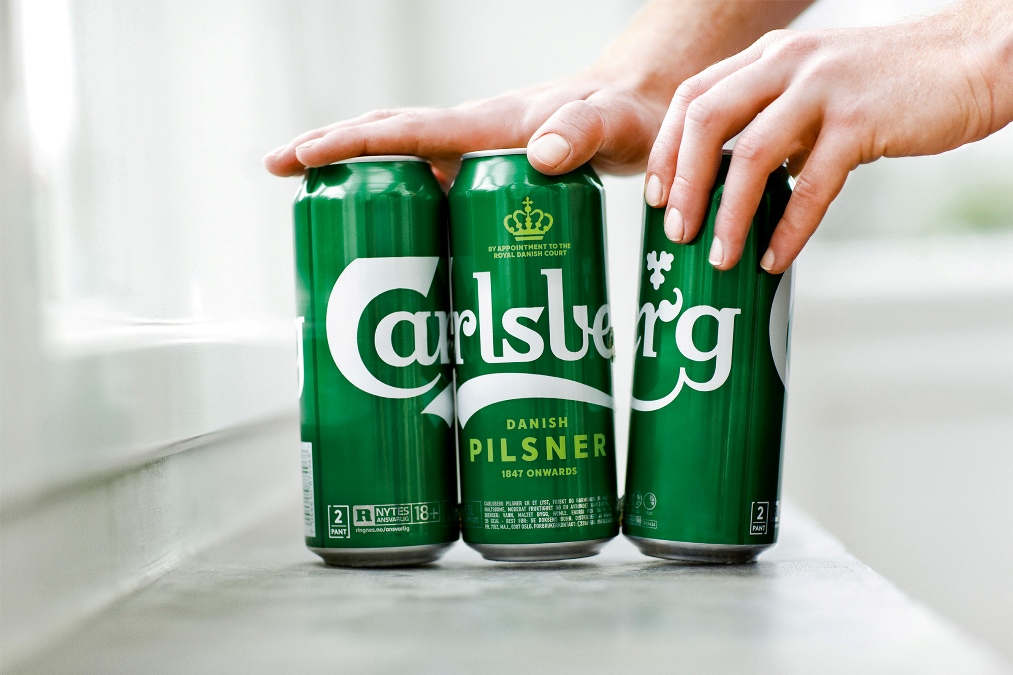
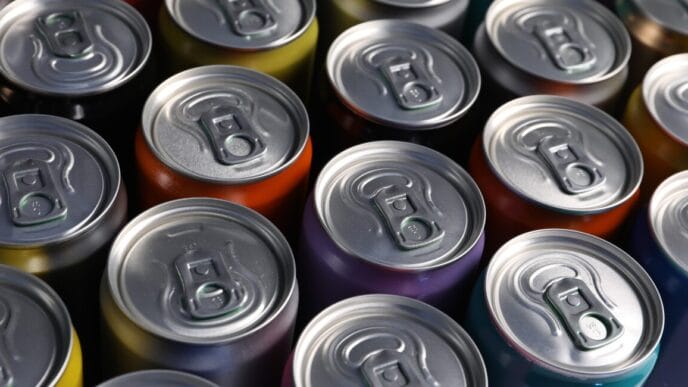
By switching to the Nature MultiPack packaging system, Carlsberg can save up to 76 % of plastic. (Image: KHS)
The fight against packaging waste is being waged on many fronts in the beverage industry - from the manufacturers of packaging materials to the bottlers. KHS is involved in the development of new standards that will benefit beverage producers and consumers alike.
The path to ever more sustainable primary and secondary packaging follows two main directions: Recycle and reduce.
„The biggest challenge for us is the processability of the packaging materials,“ emphasises Karl-Heinz Klumpe, Product Manager Packaging at KHS in Kleve. „Shrink film made from recycled plastic, for example, has a completely different shrink behaviour than film made from virgin material. As a machine manufacturer, we can't provide an answer to this alone; we have to coordinate closely with the film manufacturers.“
To this end, KHS organises workshops to explore how the recycled content of the films - as prescribed in Germany, for example, by the new Packaging Act.
Display
Karl-Heinz Klumpe, Product Manager Packaging at KHS. (Image: KHS)
„You change something in the chemistry or formulation of your films, we adjust the air flow or temperature accordingly,“ summarises Karl-HeinzKlumpe summarises somewhat casually which topics are at the forefront. „The basic requirement is, of course, a quality standard that is accepted by the marketing managers of the major bottlers. With films made from 100 per cent recycled material, the shrinkage result is not yet satisfactory. We still have to do something together to manage the balancing act between recycling requirements on the one hand and the call for ever higher quality containers on the other.“
Focus on the economy
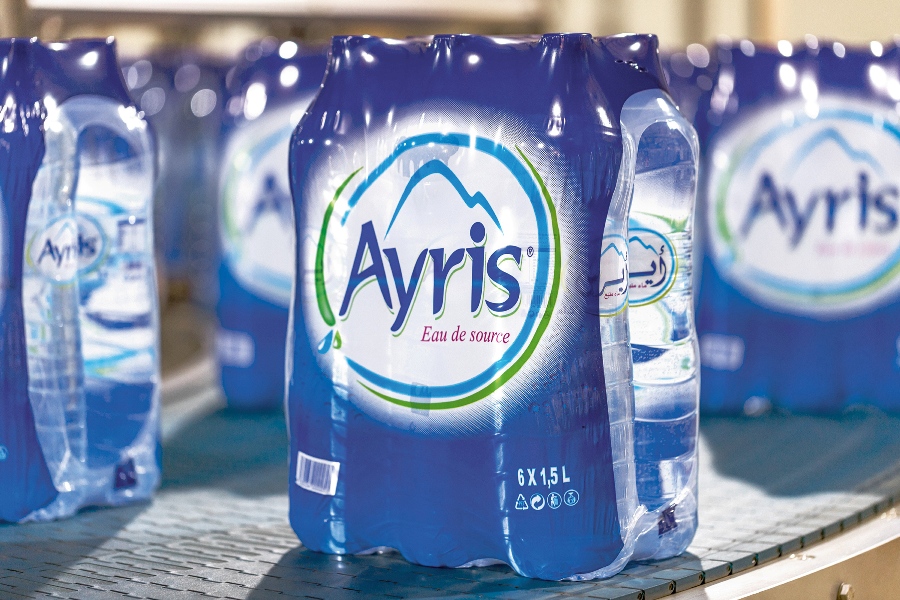
Another direction in which film manufacturers are moving is the Reduction of the film thickness.
„The material is getting thinner and thinner,“ says Klumpe. „In order to offer the same stability, the materials have to become increasingly complex. This has limits for use in beverage packaging: Below a thickness of 35 μm, the price per kilo for the film can rise again. And neither the bottler nor their customers ultimately want to pay that. However, everything we do to reduce the amount of material used is primarily economically motivated and serves to reduce the bottler's costs.“
On the way to ever thinner shrink films, both their suitability for packaging machines and the price per kilo are critical factors. (Image: KHS)
What applies to plastic also applies to Cardboard boxes The main focus is on reducing the amount of material used. In the production of corrugated cardboard, paper mills are experimenting both with thinner cover layers as well as with less high waves.
„However, we have to answer the question of the extent to which these materials are still machine-compatible. What happens when the cardboard absorbs moisture? If the cardboard is thicker on the outside than on the inside, it bends like a bimetal and can only be processed on the machines with restrictions or not at all. How can we counteract this?“
Through resource-saving KHS packaging machines stabilising cardboard plates or trays could be made completely superfluous.
„We don't need any more cardboard here,“ says a delighted Klumpe. „The tight wrapping ensures a reasonable shrink pattern and a stable pack.“ Conversely, the DisplayPacker was developed to place large packs on cardboard trays without the need for film stabilisation.
Up to 76 per cent plastic savings
Another example of material reduction is the Nature MultiPack. It was realised in 2018 by the Carlsberg Group under the name „Snap Pack“ launched on the market as a six-pack for cans. Thanks to a few glue dots made from a specially developed adhesive that hold the containers together and a stabilising carrying handle, there is no need for any additional packaging material. Once the new pack shape has been fully rolled out, Carlsberg will be able to offer its customers a complete range of products. No shrink film for cans a plastic saving of up to 76 per cent achieve - over 1,200 tonnes annually. As early as 2016 Danone Waters Nature MultiPack successfully launched its so-called „Prestige PET bottle for Evian.
„When it comes to developing sustainable packaging, we see ourselves as an interface between all stakeholders and the beverage industry,“ summarises Klumpe. „We are involved in the development of new standards that harmonise ecological requirements, legal framework conditions and the economic interests of bottlers.“