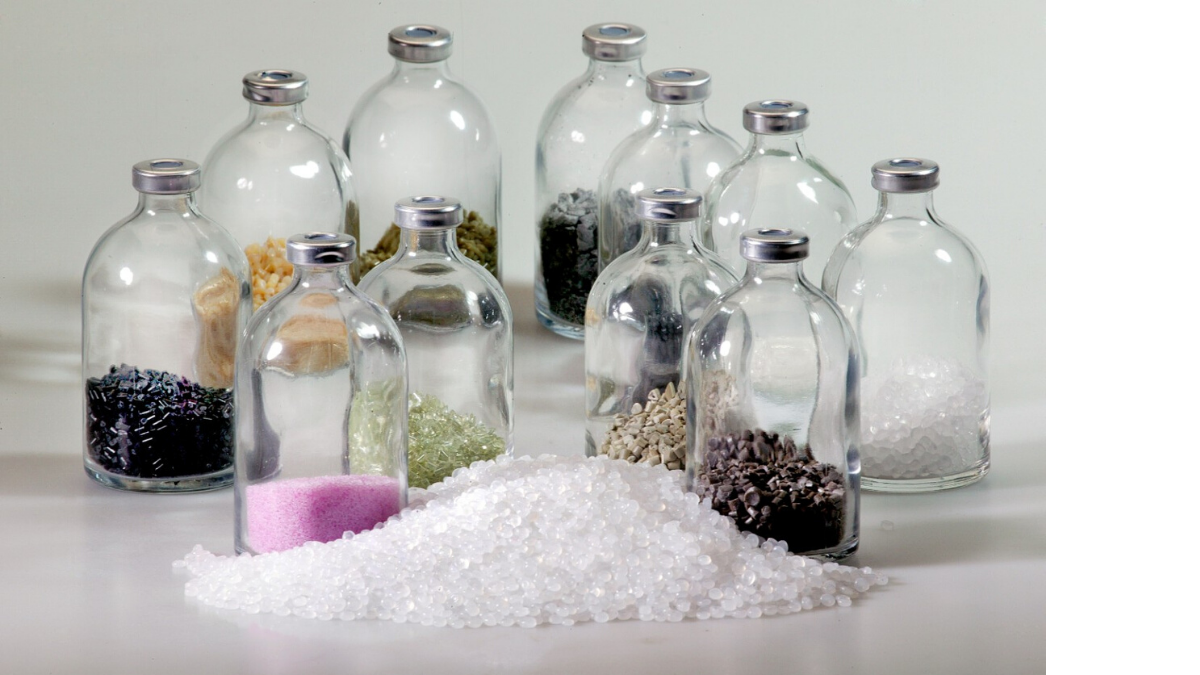
If plastic recyclates from packaging waste are to be used to manufacture new products, they must fulfil high sensory requirements. A study by the Fraunhofer IVV now shows solutions for optimising the odour of plastic recyclates.
Often show Plastic recyclates Interfering odours some of which have not yet been identified. The Fraunhofer Institute for Process Engineering and Packaging IVV has analysed the sensory properties of post-consumer shopping bags from Low Density Polyethylene (LDPE) from different collection systems were analysed. More than 60 odour-active substances were identified using combined chemo-analytical methods. They provide Tips for a targeted odour avoidance strategy. The study, which has now been published, was carried out in cooperation with the Chair of Flavour and Odour Research at the Friedrich-Alexander University Erlangen-Nuremberg and the University of Alicante.
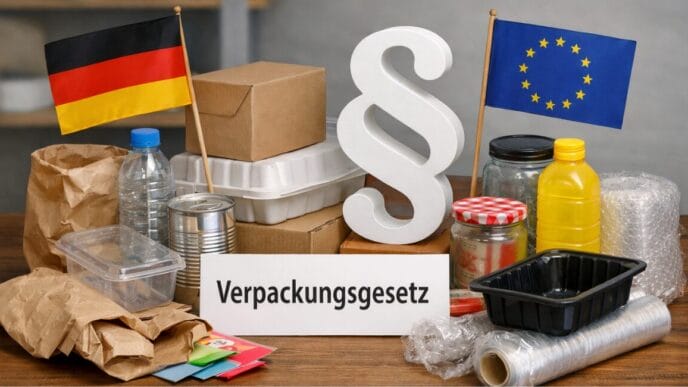
In order to minimise the EU Packaging Directive In order to fulfil the requirements for the recycling of packaging waste, new markets for recyclates from plastic packaging must be developed. So that Recyclates from plastic packaging waste as a secondary raw material can be used again in high-quality products, they must not be do not have any disturbing odours. An unpleasant odour in plastic recyclates therefore prevents a closed packaging recycling loop. A high reutilisation rate of packaging waste is currently found primarily in recyclates of Bottles made from polyethylene terephthalate (PET) instead.

Focus on LDPE packaging waste
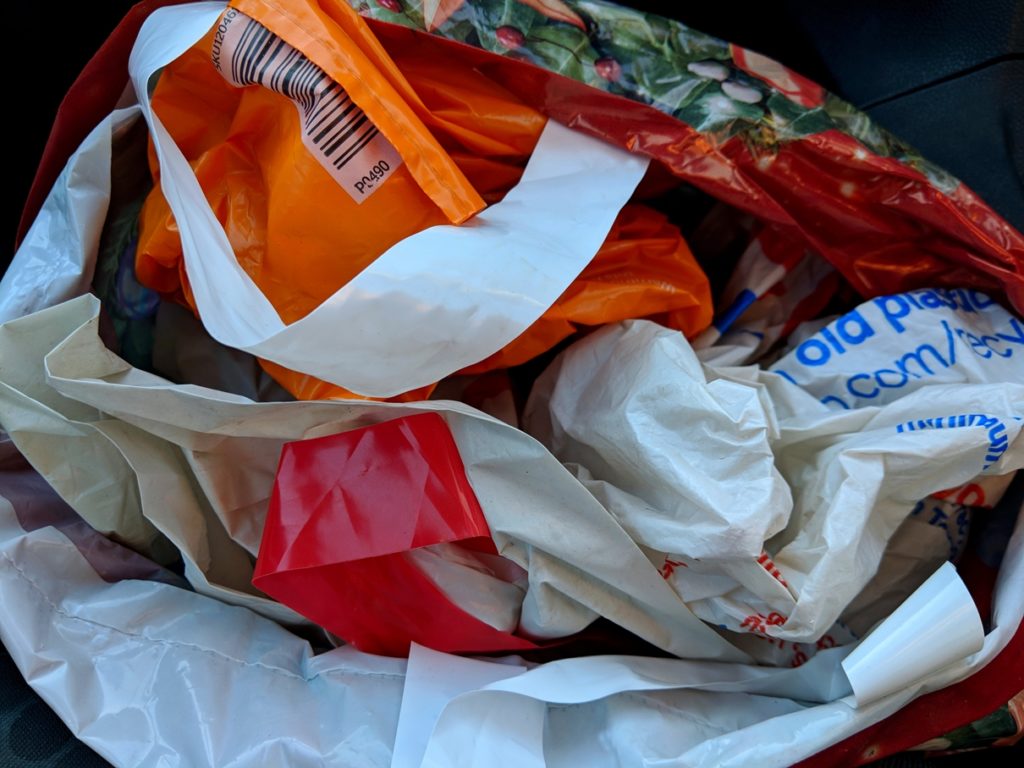
The Analytical Sensor Technology department at the Fraunhofer IVV deals with the Characterisation and optimisation of plastics and recyclates. The odorous substances in HDPE waste and Recyclates from packaging for personal care products and detergents have already been analysed. Low density polyethylene (LDPE) is one of the most frequently used plastics. Many types of packaging, such as. Shopping bags are made of it. They are recycled as packaging waste via the collection systems. Based on the post-consumer LDPE shopping bags analysed in this study, it was also possible to the influence of the collection strategy on sensory impairment of waste in focus.
Identifying odorous substances - the basic step towards prevention
Identifying the substances responsible for the odour is the basic prerequisite for Odour optimisation measures to be able to take action. The majority of the odorous substances identified in the study are typical metabolic products of microorganisms. The odorous substances identified included carboxylic acids and sulphurous and nitrogenous components. In particular, the chemical structure of the odorous substances found gives Information about their origin. Based on this information, the Routes of entry into packaging waste and into the recyclate via the recycling process traceable. Depending on the process step at which an odour substance cannot be removed or is even newly formed, targeted measures can be derived to reduce or prevent new formation.
Fewer odours with separate collection in the yellow bag
The study has shown that already the way in which packaging waste is collected, a decisive Influence on odour quality of the shopping bags. Significant advantages Separate collection in the yellow bag. The waste collected via this route had a significantly lower overall odour load.
The findings from the study can now be used to develop customised Solutions for optimising the odour of plastic recyclates from the collection onwards.
Source: Fraunhofer IVV