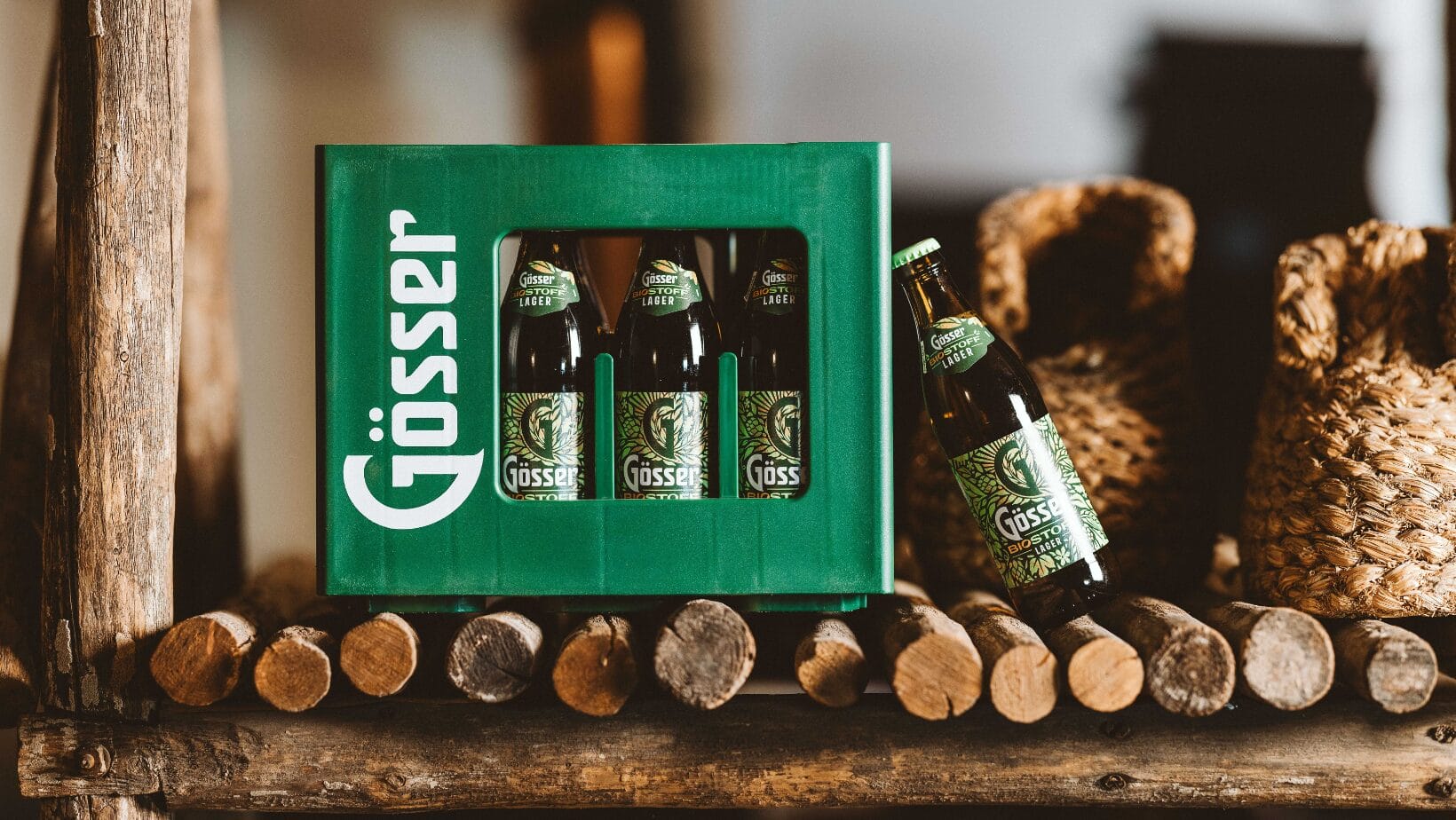
Together with Brau Union Österreich, Vetropack Group is presenting a new 0.33-litre returnable bottle that will be launched on the market in February 2024 as a standard solution for the brewing industry. Manufactured using Echovai technology developed by Vetropack, the bottle is a third lighter than conventional returnable containers.
Reusable standard solutions offer economic and ecological advantages: they reduce logistics costs, shorten transport routes, save valuable resources and thus reduce CO2 emissions. In order to make a contribution to Mandatory reusable quota in Austria from 2024 Vetropack has developed a 0.33-litre bottle that meets the requirements of the is available to the entire brewing industry as a standard solution.
The bottle produced by Vetropack is ideal as a reusable container, as it is particularly impressive in terms of sustainability, convenience, stability and simpler logistics. More than two thirds of recycled glass is currently used for the production of raw glass. With Vetropack's special Echovai process, the glass bottles are made extremely resistant through thermal hardening - with less weight.

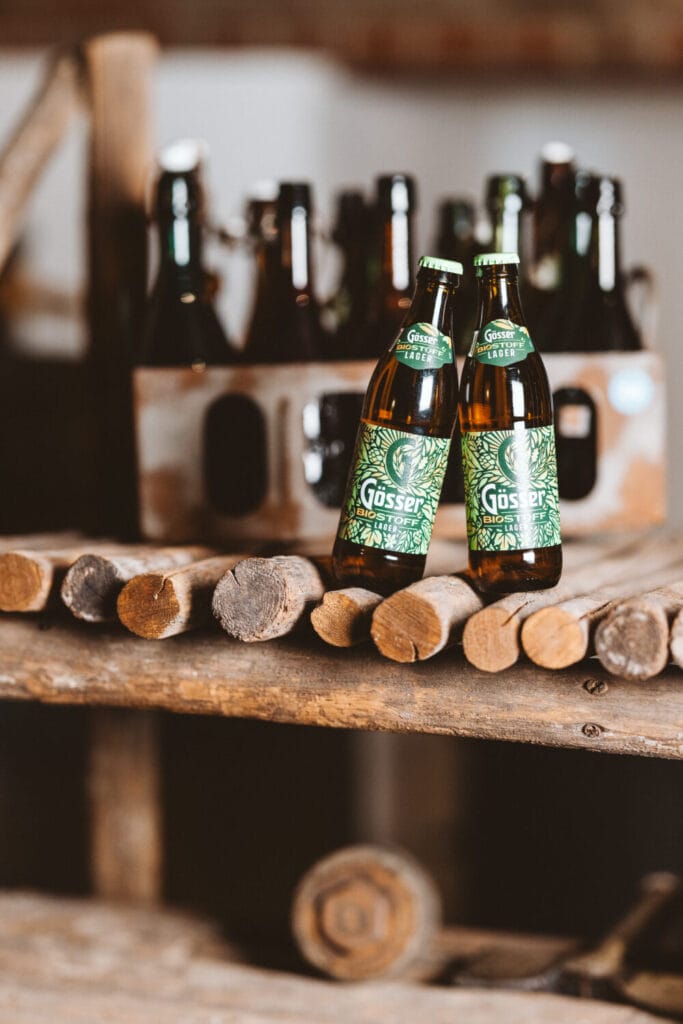
Standard solution reduces logistics costs and CO2 emissions
„The bottle is around 30 per cent lighter than a traditional reusable bottle and has at least the same or better strength values. The stability of the lightweight glass bottle has been proven in extensive tests. Due to the reduced wear on the contact surfaces, it can achieve around 20 per cent more rotations compared to conventional containers. At the same time, the bottle's stability offers added food safety.“
Erich Jaquemar, Strategic Account Manager at Vetropack in Austria
Vetropack developed the shape of the bottle together with relevant stakeholders such as the Reusable Logistics Association, the Association of Breweries and its members such as the Stiegl Brewery, Egger Brewery and Ottakring Brewery under the leadership of the Brau Union. This is a small version of the standard 0.5 litre MW beer bottle with a height of 212 mm. With this new standard, six crates can be stacked on one pallet and the low bottle weight of 210 grams enables more rows of crates per pallet, which significantly reduces transport costs and CO2 emissions. „Basically, we don't just look at the individual bottle, but Reusable as a complete system. In consultation with the stakeholders involved and thanks to their expertise, we harmonised the bottle and crate design, taking into account the associated logistics,“ says Jaquemar. Important tests relating to stackability, shelf life and refillability were carried out at Brau Union's Wieselburg brewery.
„Buying reusable bottles instead of disposable bottles saves valuable resources and up to 75 per cent of CO2 emissions,“ comments Gabriela Maria Straka, Director Corporate Affairs, ESG Sustainability and member of the Management Board at Brau Union Österreich. „With the bottle developed by our partner Vetropack, we are presenting everyone for whom the shape, size or weight used to be an argument against reusable bottles with an alternative. Ecologically sensible and economically attractive alternative."
Source: Vetropack