LSD GmbH began 60 years ago as Lettern Service Düsseldorf. Owner-managed in the second generation by Klaus and Chris Finken, the Düsseldorf-based family business with around 120 specialists today stands for a completely new chapter in brand development: the intelligent combination of design, technology and artificial intelligence.
What particularly characterises LSD is its courage to change. The company invested in its first digital printing press back in 1995 - a risky but forward-looking move. „We want to Creating structures to bring packaging into the digital world“, says Managing Director Chris Finken. The mission: to make brands visible, tangible and relevant - across all channels.
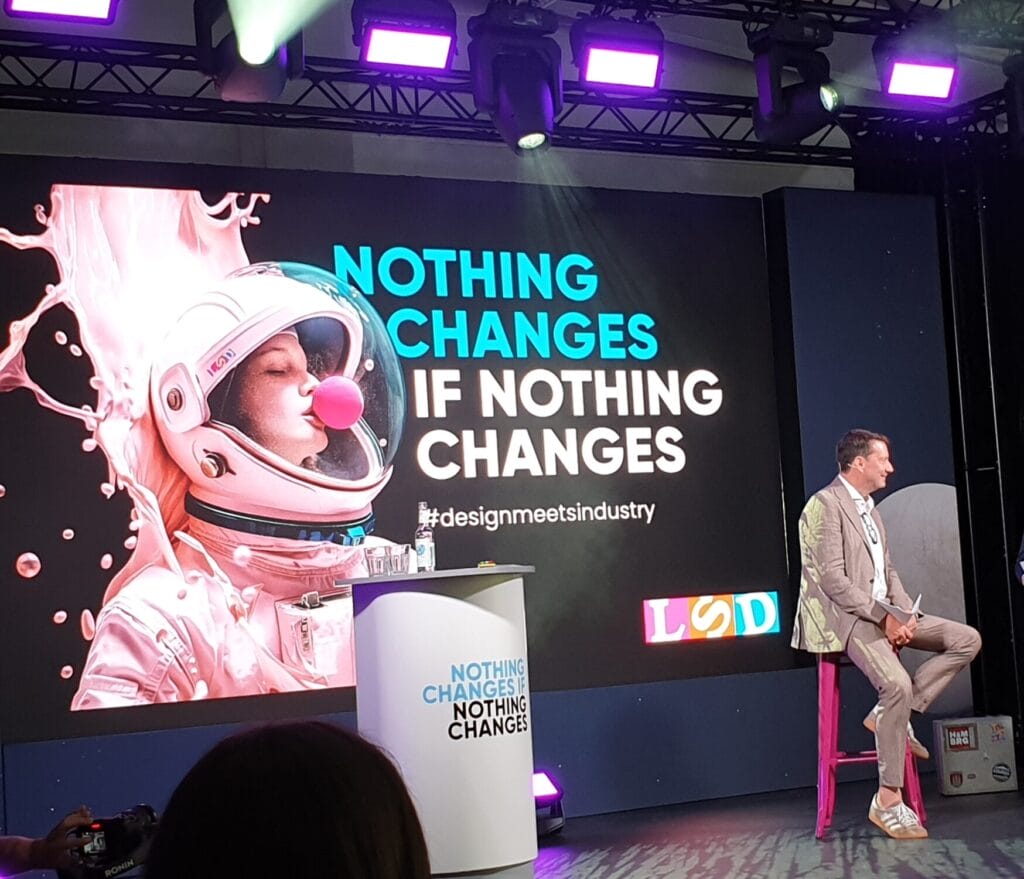
LSD celebrated its 60th anniversary this year under the motto „Nothing changes if nothing changes“ - with an event that didn't look back to the past, but instead focussed on the future: into the world of intelligent, networked brand communication. But what will brand management look like tomorrow? How is AI changing the creative industry? What role does the digital product passport play in packaging development? Answers to these questions were provided in Düsseldorf.

Creative intelligence required
AI is no longer a tool - it is a creative sparring partner. In the world of brands, this means new forms of idea generation, automated content generation and data-driven design decisions. But what constitutes creativity in the age of algorithms? Frank Dopheide, founder and managing director of the management consultancy Human Unlimited, puts it in a nutshell: „AI of the human kind, i.e. creative intelligence, is the success factor of the future."
Arno Lindemann, Creative Partner at Scholz & Friends, makes it clear how profoundly AI applications are changing visual communication: 90 per cent of the images circulating on the web could be artificially generated as early as 2026. From AI eye tracking analyses and consumer insights to interactive packaging with RFID The creative process is already becoming increasingly data-based..
The presentation of the start-up go AVA was also exciting: the Essen-based company develops digital avatars that resemble real people, respond in real time and speak over 100 languages. Founder Lara Dörner. „Avatar solutions must be as human-like as possible today.“ Rewe Digital, Deutsche Telekom and McDonald's are already using the innovative technology.
From packaging to experience
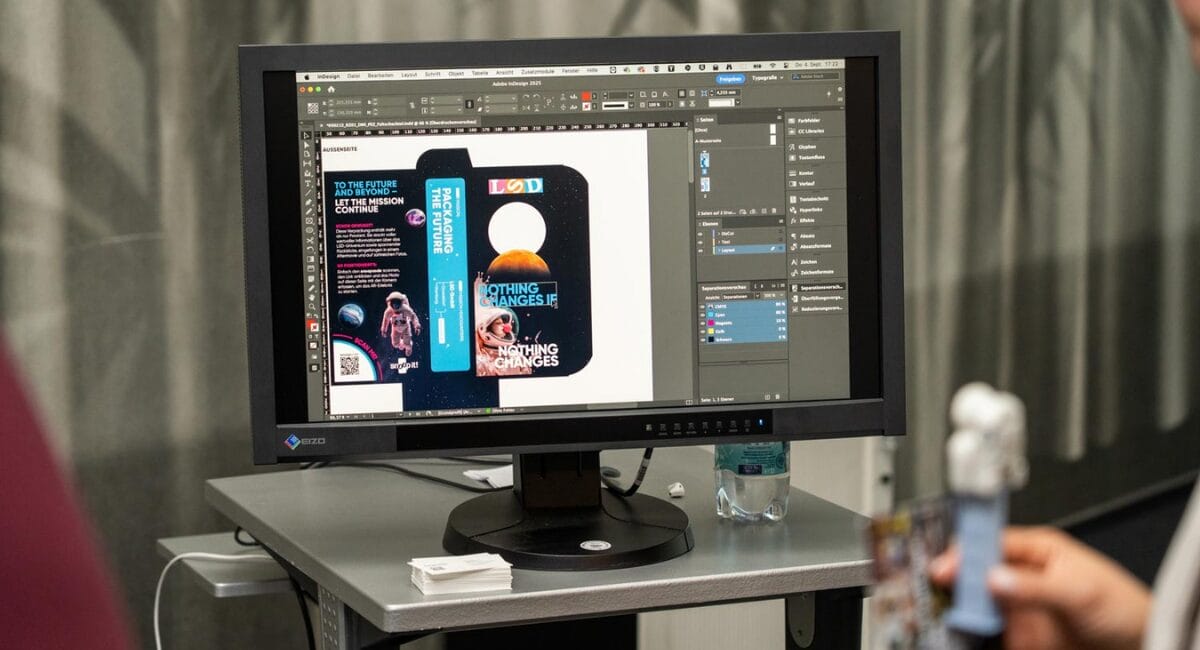
Where packaging used to simply be a shell, it is now a stage: LSD spin-off Snoopstar GmbH combines the physical with the digital world using augmented reality. By scanning a QR code with a smartphone, packaging then becomes an interactive portal - with videos, tutorials, product information or campaigns directly at the point of sale.
As one of the GS1 Solution Partners Snoopstar will soon also be contributing to the Digital Product Passport (DPP), which will be mandatory throughout the EU from 2027. It documents origin, materials, recyclability and carbon footprint and is a key tool for the circular economy. By merging the GS1 Digital Link Code and the Web-AR Snoopcode, the aim is also to One code for everything are created. Snoopstar thus seamlessly integrates the Digital Product Passport into brand communication and turns the legal obligation into an emotional brand experience.
One conclusion of the event: the future belongs to companies that combine technology with humanity. This was also evident at the LSD event: from the AI intro film to the discussions on brand management and customer experience - the message was clear: digital intelligence needs emotional intelligence.